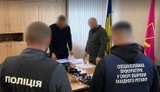
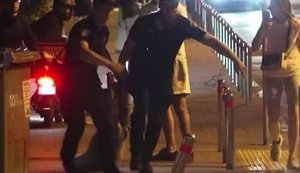
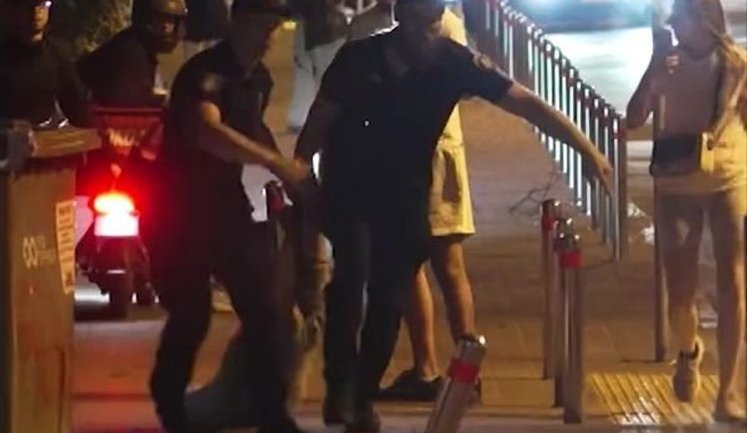
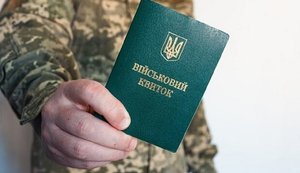
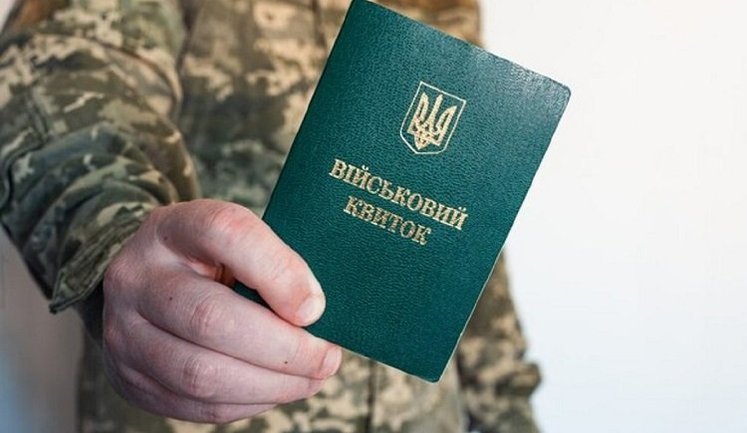
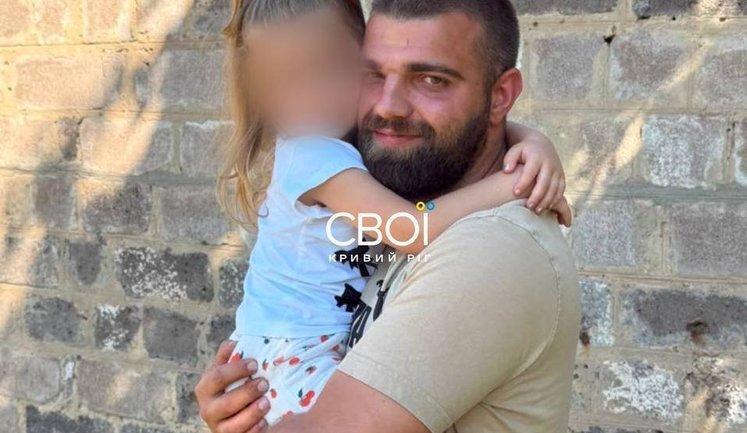
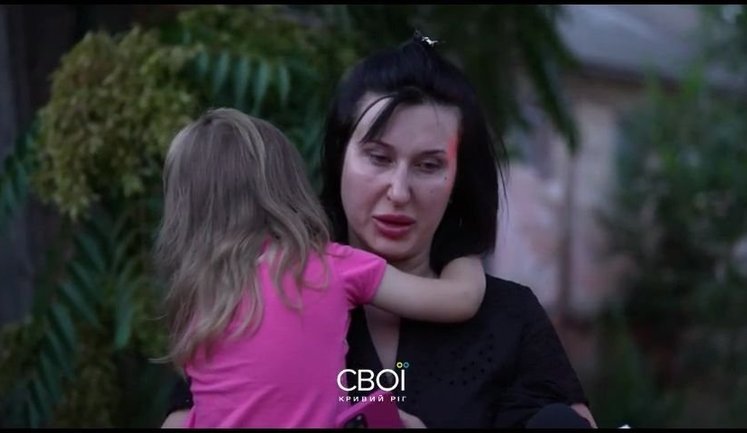
Mobilization violations in Ukraine have become a significant issue in 2026, leading to widespread concern and numerous investigations. Reports indicate that officials from Territorial Centres of Recruitment and Social Support have been fabricating mobilization statistics by enlisting non-existent or ineligible individuals. Cases involving the forced mobilization of individuals with severe health conditions or familial responsibilities have sparked outrage, as exemplified by incidents in the Poltava and Kryvyi Rih regions. The Verkhovna Rada is currently addressing this issue by legislating criminal liability for recruiting officers guilty of such abuses. Meanwhile, human rights advocate Dmytro Lubinets has been vocal in demanding accountability and remedial measures.
What are the primary concerns about violations during mobilisation in Ukraine?
The primary concerns about mobilisation violations in Ukraine involve the enlistment of individuals who are unfit for service due to health issues, the forced drafting of single parents or those with critical family responsibilities, and falsified recruitment statistics. These practices have raised serious human rights concerns and led to intensified investigations and legal actions.
How did officials manipulate mobilisation statistics?
Officials from Territorial Centres of Recruitment and Social Support (TCR and SS) manipulated mobilisation statistics by creating fictitious conscripts, including deceased and non-existent individuals, to falsely report the fulfillment of recruitment quotas. This was done to artificially inflate the success rates of mobilisation campaigns.
What actions are being taken to address mobilisation violations?
The Verkhovna Rada has initiated legislative measures to hold recruitment officials criminally liable for violations during mobilisation. Investigations are ongoing into cases where individuals were conscripted despite being unfit for service. Human rights advocates are also demanding accountability and reform to prevent such abuses in the future.
What role has Dmytro Lubinets played in addressing mobilisation violations?
Dmytro Lubinets, the Verkhovna Rada's Human Rights Commissioner, has played a crucial role by highlighting the issues of mobilisation violations. He has been actively calling for investigations and accountability, particularly in cases involving the forced conscription of individuals with severe health conditions or critical family responsibilities.
Why is the mobilisation process in Ukraine currently under scrutiny?
The mobilisation process in Ukraine is under scrutiny due to widespread reports of procedural violations, including the conscription of unfit individuals, cases of abuse by recruitment officers, and falsification of mobilisation data to meet recruitment targets. These issues have resulted in heightened public concern and calls for systemic reform.
How have mobilisation violations affected the civilian population in Ukraine?
Mobilisation violations have significantly impacted the civilian population by resulting in unjust conscription practices, such as drafting individuals with serious health conditions or single parents responsible for minors. These actions have led to public outrage, legal challenges, and a push for more transparent and fair mobilisation processes.
What measures are being proposed to prevent future violations during mobilisation in Ukraine?
To prevent future violations, measures such as enforcing criminal accountability for recruitment officers engaging in illegal mobilisation practices, improving oversight and transparency in the recruitment process, and ensuring stricter adherence to health and familial exemption criteria are being proposed and discussed within Ukrainian legislative and military institutions.