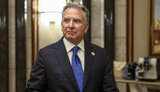
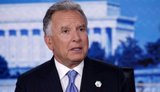
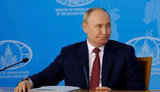
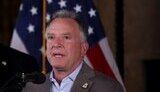
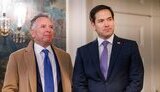
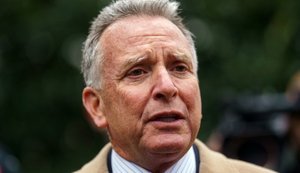
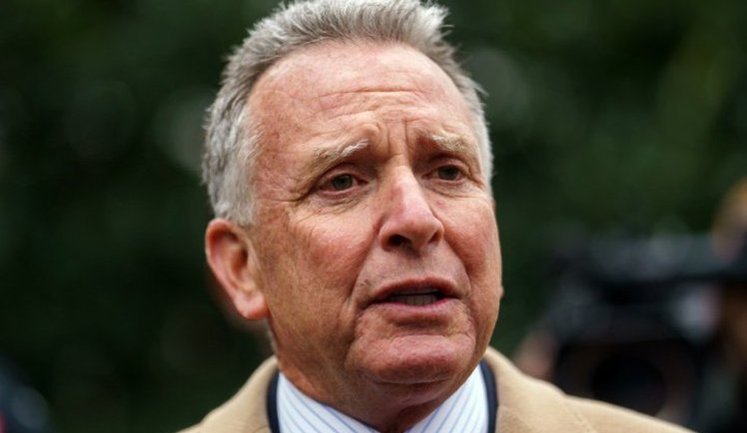
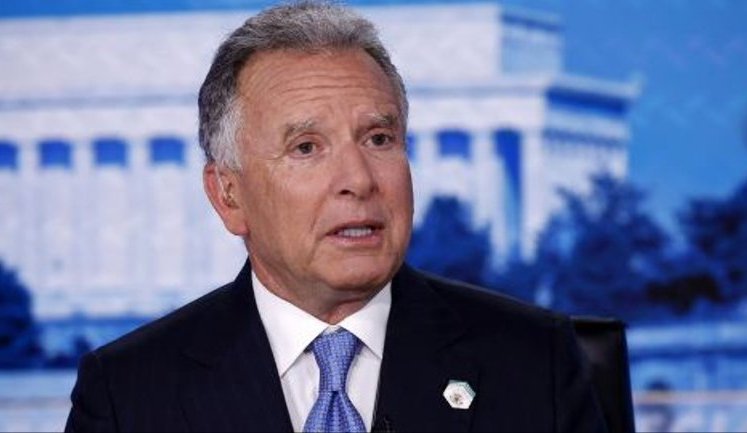
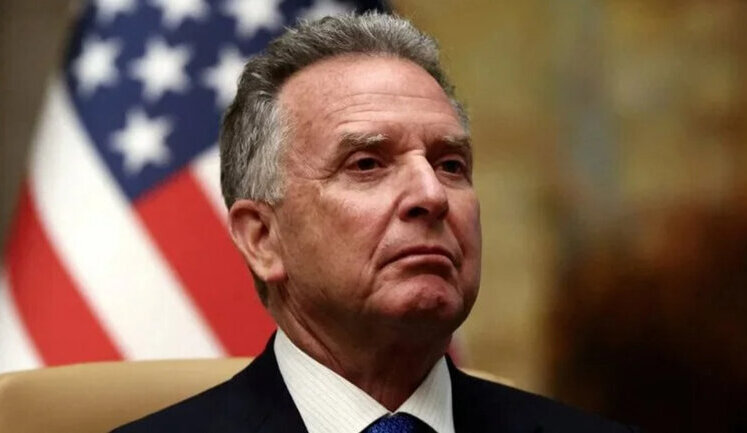
Steve Witkoff, the US Special Envoy, is spearheading efforts to reach a peaceful resolution to Russia's conflict against Ukraine by the end of 2025. Witkoff emphasizes that without direct negotiations with Russian President Vladimir Putin, a resolution is unattainable. The peace discussions, involving Secretary of State Marco Rubio and held in Istanbul, address critical issues such as the status of occupied Ukrainian territories, the Kursk region, Zaporizhzhia nuclear power plant, and Ukraine's access to ports. President Trump has expressed firm stances, highlighting the importance of these talks to regional and global stability. Witkoff remains pivotal in these diplomatic efforts.
What is the main objective of the peace talks led by Witkoff?
The main objective of the peace talks led by US Special Envoy Steve Witkoff is to achieve a peaceful settlement to the conflict between Russia and Ukraine by the end of 2025, focusing on resolving territorial disputes and ensuring stability in the region.
Who are the main participants in the Ukraine peace talks?
The main participants in the Ukraine peace talks include US Special Envoy Steve Witkoff, US Secretary of State Marco Rubio, and representatives from Ukraine and Russia, with an emphasis on involving Russian President Vladimir Putin directly in the discussions.
What key issues are being discussed in the peace talks?
The peace talks focus on addressing several key issues, including the status of occupied territories in Ukraine, the situation in the Kursk region, the operational security of the Zaporizhzhia nuclear power plant, and ensuring Ukraine's access to critical ports along the Black Sea.
Why does Witkoff emphasize direct talks with Putin?
Witkoff emphasizes direct talks with Russian President Vladimir Putin to ensure that any agreements reached during the peace negotiations are authoritative and can be effectively implemented by all involved parties, given Putin's crucial role in the conflict's dynamics.
How is the US government supporting the peace process?
The US government supports the peace process by facilitating diplomatic engagements, with President Trump and Secretary Rubio playing active roles in coordinating talks, issuing ultimatums to reach equitable solutions, and leveraging diplomatic channels to involve key international figures.
What potential barriers exist to achieving peace by 2025?
Potential barriers to achieving peace by 2025 include the requirement for direct involvement and agreement by President Putin, ongoing geopolitical tensions, unresolved disputes over specific regions, and maintaining diplomatic momentum across diverse international stakeholders.
What are the expected outcomes of the peace talks if successful?
If successful, the peace talks are expected to result in a cessation of hostilities, resolution of territorial disputes, stabilization of nuclear facilities like Zaporizhzhia, and restored access to strategic ports, enhancing regional security and promoting economic recovery.
How does the US plan to address the issue of occupied territories?
The US plans to address the issue of occupied territories by prioritizing diplomatic negotiations that seek to redefine territorial boundaries in a way that respects Ukraine's sovereignty, while also ensuring that any agreements are sustainable and involve international cooperation.