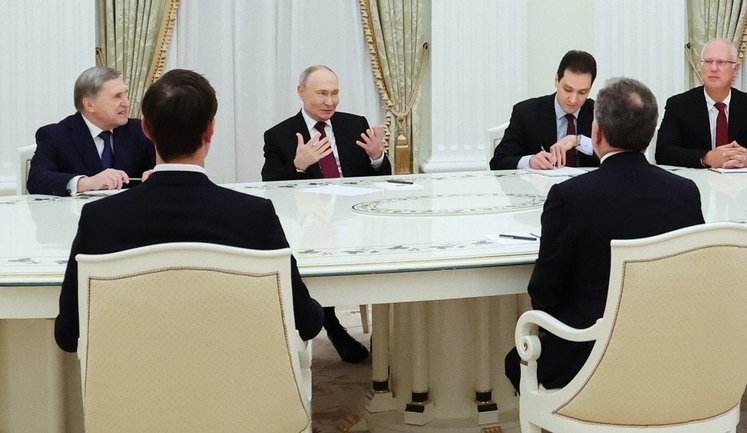
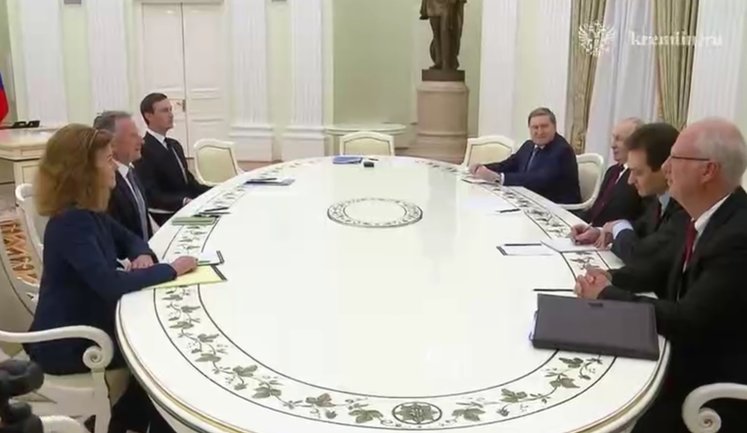
The recent meeting between US Special Envoy Steve Witkoff and Russian President Vladimir Putin in Moscow has ignited significant diplomatic debate. The discussions centered around the future of peace in Ukraine and potential resolutions to the ongoing conflict. Despite the hopeful tone set by some US officials, Finnish President Alexander Stubb expressed skepticism about achieving a "just peace." Meanwhile, Kaja Kallas of the European Union voiced concerns over potential pressure on Ukraine to make concessions. The meeting underscores the complex nature of US-Russia relations, particularly under the influence of US President Donald Trump's administration. While Jared Kushner's involvement signifies a strategic push for diplomatic engagement, unresolved territorial demands by Russia remain a contentious point. The international community watches closely as further talks are anticipated, hopeful yet cautious about the outcomes of this significant diplomatic engagement.
What were the main topics of Witkoff's meeting with Putin?
The primary focus of the meeting was on diplomatic efforts to end the ongoing war in Ukraine. Steve Witkoff discussed the possibility of direct talks between Russia and Ukraine, while also addressing territorial demands and peace proposals. The meeting aimed to gauge the potential for a negotiated settlement that could lead to a broader peace agreement.
How did Jared Kushner's involvement influence the talks?
Jared Kushner, adviser to President Trump, was expected to play a leading role in formulating the terms for a peace plan. His involvement added a layer of strategic planning to the talks, drawing on his close ties to the Trump administration. This signifies a calculated diplomatic maneuver to leverage high-level connections for negotiating a potential end to hostilities in Ukraine.
What concerns did European leaders express about the meeting?
European leaders such as Kaja Kallas expressed concerns that the meeting might lead to increased pressure on Ukraine to make concessions in the peace process. They are wary of unilateral demands imposed by Russia that could compromise Ukraine's territorial integrity or sovereignty, and question whether all conditions for a "just peace" will be met under such pressure.
What were the outcomes of Witkoff's talks with Putin?
The meeting concluded without a definitive agreement, leaving many diplomatic questions unresolved. While the US administration described the talks as "productive," no breakthrough was achieved on critical issues like ceasefires or territorial adjustments. Further discussions are anticipated, with both sides exploring options for continued negotiations.
What is the significance of the US and Russia holding these meetings?
The meetings between the US and Russia are significant as they represent high-level diplomatic engagement aimed at finding a resolution to the protracted conflict in Ukraine. They highlight the Trump administration's focus on shifting the diplomatic landscape, attempting to broker a peace agreement that aligns with US interests while managing international relations and regional stability.