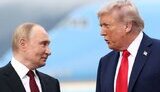
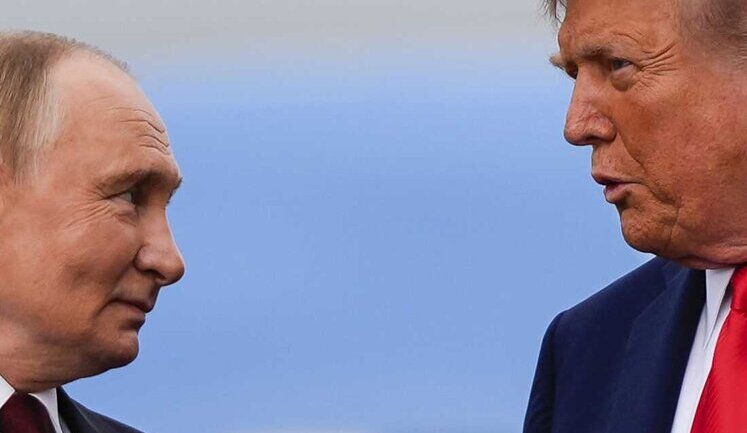
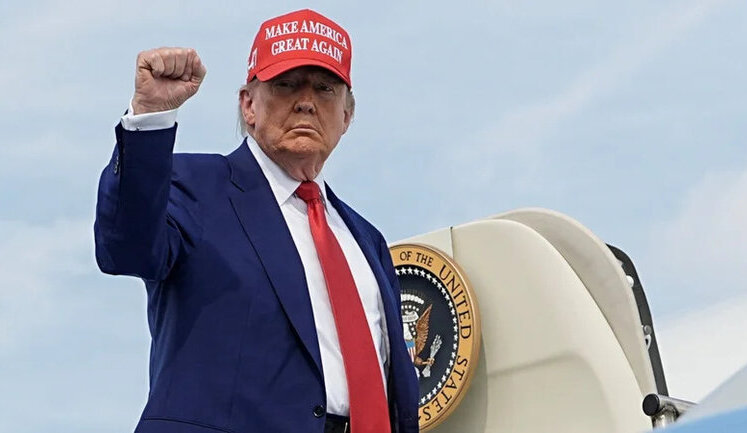
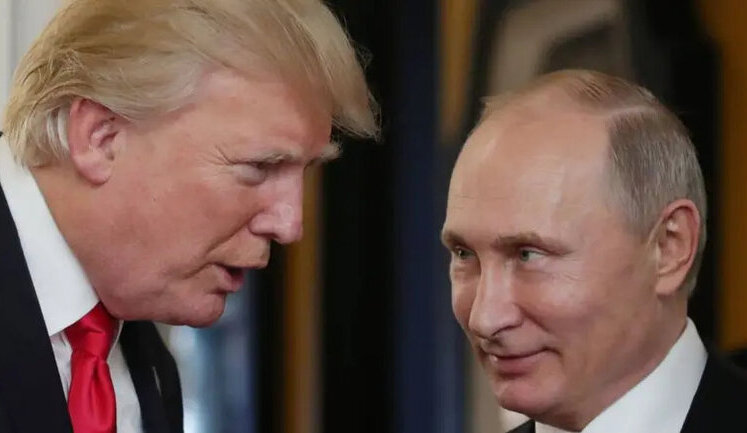
US President Donald Trump and Russian President Vladimir Putin are at the center of global diplomacy as they engage in talks that could reshape the future of the Ukraine conflict. White House confirms Trump seeks concrete actions from Putin, not just diplomatic gestures. Hungarian and Slovak leaders urge the EU to facilitate the discussions, hoping they will lead to peace. The New York Post pressures Trump to increase economic leverage against Russia. Despite pressure, Trump assures that a peace deal with Russia won't be imposed on Ukraine; instead, issues like territorial exchanges will be discussed by Zelenskyy and Putin. There's frustration over Putin's demands, which delay ceasefire agreements. While Trump is open to negotiations, he stands ready to impose sanctions if talks fail, highlighting the delicate balance of power and potential for significant geopolitical shifts.
What are the main objectives of the Trump-Putin talks?
The main objectives of the Trump-Putin talks are to address and progress towards a peace agreement that resolves the ongoing conflict in Ukraine. Trump seeks tangible actions from Putin, rather than just diplomatic promises, aiming to address territorial exchanges and potential land swaps as part of the peace discussions. Both leaders are under pressure to reach a resolution that benefits their respective national interests while ensuring stability in the region.
How has the European Union responded to the Trump-Putin talks?
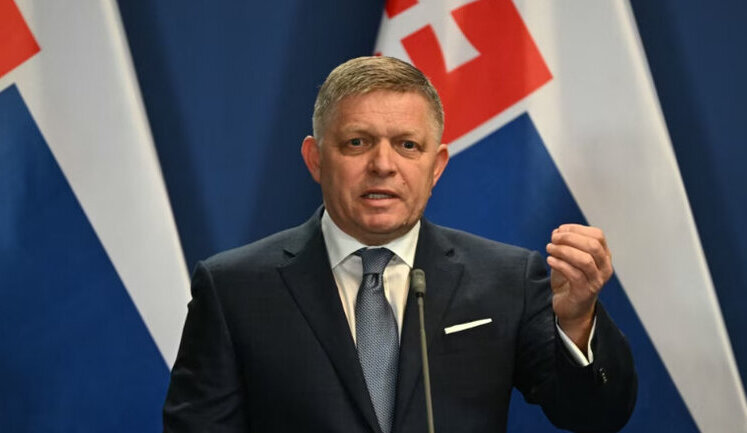
The European Union, through leaders like Slovak Prime Minister Robert Fico, has shown support for facilitating the talks, highlighting the importance of achieving peace in Ukraine. However, there's also concern and skepticism among European leaders over Trump's readiness to apply pressure on Russia to ensure a fair resolution. The EU's involvement is seen as crucial in guiding the negotiations towards a successful outcome that considers international and regional security.
What challenges do Trump and Putin face in achieving a peace agreement?
Challenges in achieving a peace agreement include differing stances on territorial issues, with Trump indicating a belief in necessary land swaps, while Putin has shown strict demands, particularly over regions like Donetsk. There's also a need for Trump to balance international expectations, including those from the EU and US allies, and to decide on the use of sanctions against Russia if talks falter. Both leaders must navigate these complex diplomatic hurdles to produce a sustainable peace agreement.
What is the role of sanctions in the Trump-Putin negotiations?
Sanctions play a critical role in the Trump-Putin negotiations as a potential leverage tool for the United States. Trump has made it clear that if talks with Putin fail to produce satisfactory progress towards peace, he is prepared to implement economic sanctions against Russia. This stance aims to compel Russia to engage meaningfully in the negotiations and curtail aggressive actions related to Ukraine, thereby increasing pressure on Putin to compromise.
How might the Trump-Putin talks impact the geopolitical landscape in Europe?
The talks have the potential to significantly impact the geopolitical landscape in Europe due to their implications for regional security and stability. Negotiations could lead to shifts in territorial boundaries and influence power dynamics, depending on the outcomes related to Ukraine's territorial integrity. European leaders express apprehension about the talks possibly leading to an arrangement that divides Europe or undermines existing alliances. Monitoring the negotiations is crucial for understanding their broader geopolitical ramifications.