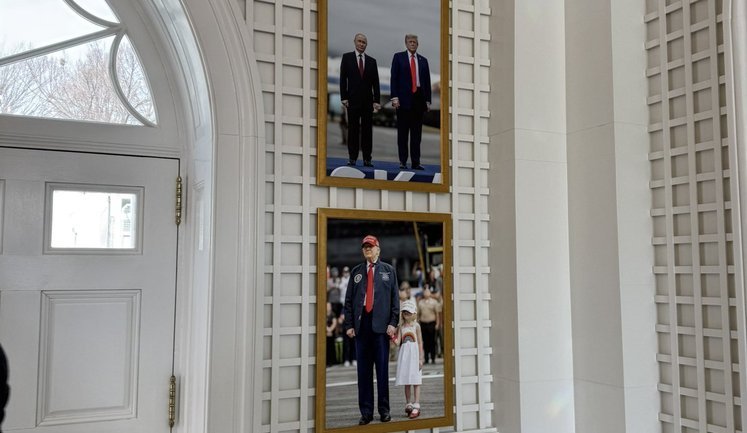
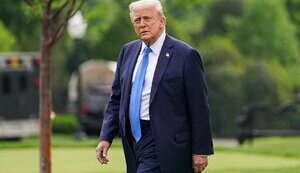
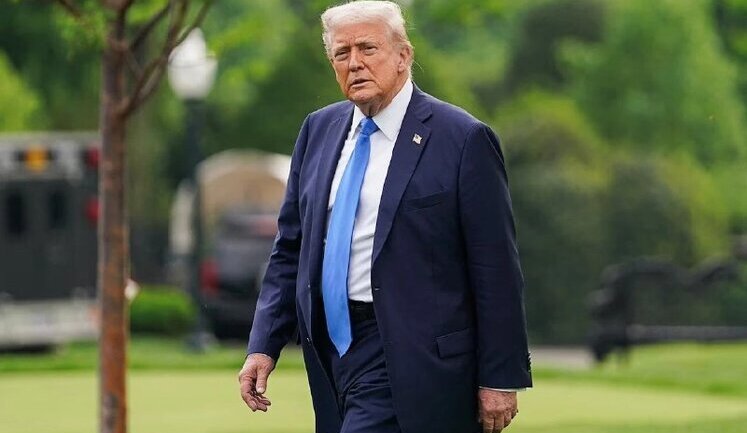
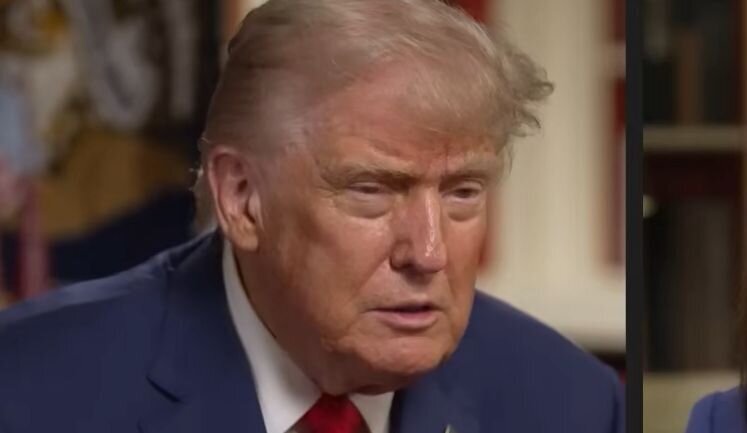
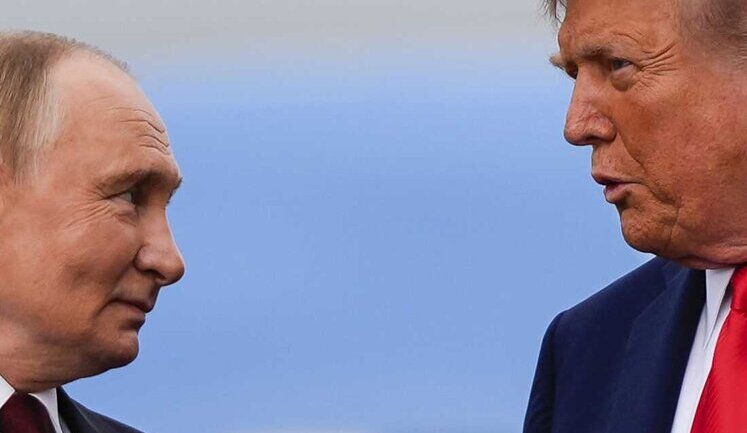
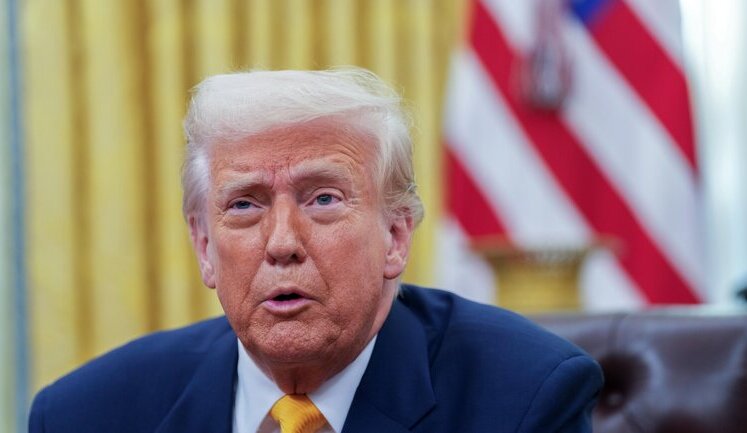
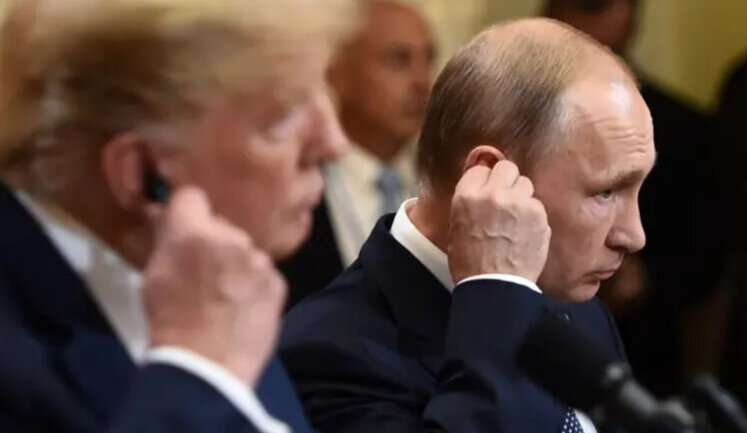
The dynamic between US President Donald Trump and Russian dictator Vladimir Putin continues to evolve, influencing global politics and the ongoing conflict in Ukraine. Trump claims the US military capability from his first term unsettles Putin, yet questions linger about his understanding of Putin's true objectives. Criticism from various international figures, including German Defence Minister Pistorius, highlights disagreements on Trump's approach towards Russia. Meanwhile, reports indicate a shift in Trump's strategy, potentially influenced by figures like Rubio and Merz, suggesting a move from conciliatory tactics to more confrontational ones, though some believe these have yet to yield tangible results. Amid these developments, the pressure mounts for Trump to leverage these relations to reach a peaceful resolution in Ukraine. The fluctuating relationship, marked by threats and diplomacy, remains a focal point of international scrutiny as Trump navigates geopolitical chess pieces involving NATO and global economic interests.
How have Trump-Putin relations affected the Russia-Ukraine war?
The Trump-Putin relationship has significantly impacted the strategies and diplomatic efforts surrounding the conflict. Trump's fluctuating stance—from offering incentives to posing ultimatums—reflects in the overall tension and, at times, cooperation levels. These relations have influenced both Russia's actions within Ukraine and diplomatic dialogues aiming for resolution, as Trump's policies play a crucial role in shaping geopolitical dynamics and international alliances.
What criticism has Trump faced regarding his policies on Russia?
Critics, including international officials like German Defence Minister Pistorius, argue that Trump's policies are inconsistent and sometimes undermine global alliances such as NATO. Some believe his strategies may inadvertently empower Putin by not posing a consistent and unified Western front. Others suggest a need for a more decisive stance against Russian aggression in Ukraine to ensure global security and stability.
Why do experts believe Putin may not take Trump’s warnings seriously?
Putin's dismissive attitude towards Trump's warnings may stem from a perceived inconsistency in policies and past experiences of unfulfilled threats. Despite Trump's claims of military strength and direct ultimatums, Putin's strategic focus and confidence in Russia's military objectives in Ukraine suggest a skepticism towards the efficacy and execution of Trump's threats, undermining their deterrent effect.
What role does the US military play in Trump-Putin relations?
Under Trump's administration, the bolstering of US military capabilities has been cited as a point of pressure on Putin, reinforcing deterrence against Russian aggression. However, the effective use of this strengthened military power as a diplomatic tool remains ambiguous, with varying degrees of success in influencing Putin’s strategic decisions in the Ukraine conflict and broader geopolitical arena.
How do Trump's policies impact US allies, particularly NATO?
Trump's approach has sometimes raised concerns among NATO allies about the cohesion and reliability of the transatlantic alliance. His questioning of NATO's role and push for increased defense spending by Europe have strained relations, although they have led to some countries bolstering their military readiness. Balancing deterrence and diplomacy, Trump's policies shape NATO's strategic posture vis-à-vis Russia, impacting collective security efforts.
What are the economic implications of Trump’s relations with Putin?
Economically, Trump's relationship with Putin influences trade policies and sanctions that affect bilateral relations and global markets. Discussions about imposing tariffs or sanctions on Russian oil and other sectors highlight potential economic leverage points, though the execution and impact of these measures depend on Trump's broader strategic goals and the US's economic interactions with Russia.
How does Trump view Putin concerning peace in Ukraine?
Trump's view of Putin oscillates between seeing him as a potential partner for peace negotiations and a significant obstacle to ending the war. Despite acknowledging Putin's ambitions and influence, Trump remains optimistic about leveraging dialogue to reach a resolution, albeit amidst criticisms of concession risks and insufficient pressures on Russia to halt aggression in Ukraine.
Are there any notable shifts in Trump's strategy towards Russia?
Recent reports suggest a notable shift in Trump's strategy towards a tougher stance on Russia, influenced by key advisors and international allies advocating for increased pressure against Putin. This shift marks a departure from previous conciliatory approaches, reflecting growing impatience with the lack of progress in peace efforts. The strategic recalibration aims to enhance US leverage in negotiations while addressing domestic and international critiques.
What influence do internal US politics have on Trump-Putin relations?
Internal US political dynamics significantly shape Trump's relations with Putin. Republican and Democratic positions, as well as input from legislative figures like Senators Rubio and Kennedy, contribute to the discourse and policy decisions regarding Russia. Public opinion and electoral considerations also play roles, driving Trump to adjust his strategies in balancing domestic approval with foreign policy objectives.