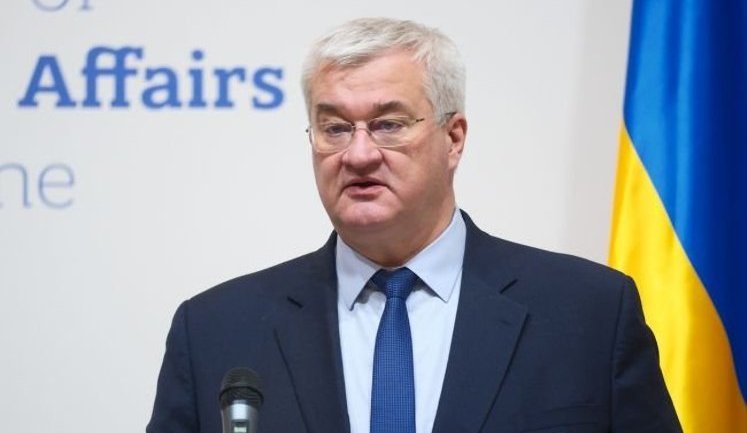
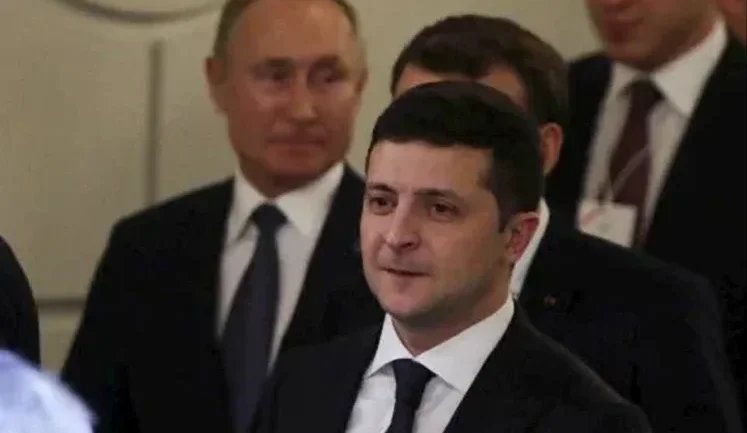
The dynamics of negotiations with Russian President Vladimir Putin remain pivotal as tensions persist in Ukraine. Recent interactions highlight the widening gulf between Moscow and Washington, as some American proposals are deemed unsuitable by Russia. Statements by Ukrainian Foreign Minister Andrii Sybiha indicate that Putin's public declarations reflect an ongoing reluctance to cease hostilities. In contrast, different US agencies provide varied assessments of Putin's openness to negotiations, complicating the diplomatic landscape. Additionally, Ukrainian readiness to engage in dialogue anywhere underscores a steadfast intent to achieve peace, though Germany's skepticism about diplomacy exacerbating aggression adds complexity. Meanwhile, international leaders, including Erdoğan and Trump, continue to explore pathways to convene leaders and facilitate dialogue, though skepticism about the effectiveness of direct talks remains high. This intricate web of diplomatic engagements reflects the ongoing geopolitical challenges in achieving a peaceful resolution.
What is the latest development in talks between Putin and Ukraine?
Recent reports highlight negotiations involving Russian President Vladimir Putin and US Special Representative Steve Witkoff regarding the peace process in Ukraine. However, Russia finds some American proposals unsuitable, and there remains no clear compromise version of the plan. Ukrainian officials continue to express concerns about Putin's unwillingness to end the war, highlighting the complexities and ongoing negotiations.
How are US intelligence assessments impacting talks with Putin?
US intelligence assessments present a mixed picture regarding Vladimir Putin's willingness to negotiate. While the State Department expresses doubts about Putin’s readiness to end the conflict, the CIA provides a more favorable assessment. These differing perspectives impact diplomatic strategies and international responses to the ongoing crisis.
What is Ukraine's position on further negotiations with Putin?
Ukraine remains open to negotiations with Vladimir Putin, emphasizing readiness to engage in talks anywhere in the world. This stance aims to facilitate progress towards peace despite ongoing challenges and geopolitical tensions. Ukrainian officials believe that heightened international pressure on Russia is necessary to achieve a sustainable resolution.
Why is there skepticism about diplomatic efforts with Putin?
Germany and other international actors express skepticism about diplomatic efforts with Putin, arguing that past attempts at diplomacy have led to new aggressions by Russia. Critics claim that without tangible actions from Putin, dialogues may only serve as delaying tactics, further complicating peace efforts while the humanitarian crisis unfolds.
How are international leaders contributing to negotiation efforts?
International leaders like Erdoğan and Trump are actively exploring avenues to facilitate talks between Ukraine and Russia. Erdoğan aims to host a direct meeting in Istanbul, while Trump conditions his participation on Putin's attendance. These efforts highlight ongoing international diplomatic engagement seeking to resolve the conflict despite deep-seated challenges.
What obstacles do US-European relations face concerning Ukraine negotiations?
The current geopolitical climate introduces several obstacles to US-European collaboration on Ukraine. Europe's frustration with the perceived lack of a clear American strategy complicates consensus on sanctions against Moscow. This discord between the US and European nations underscores the challenges in coordinating a unified, effective response to Russian actions.
What are the implications of Putin's recent public statements?
Putin's recent public statements suggest an ongoing reluctance to end hostilities in Ukraine. Such declarations reinforce skepticism about the sincerity of Russia's negotiation efforts and complicate attempts to broker peace. Ukrainian and international officials view these statements as undermining diplomatic initiatives aimed at resolving the conflict peacefully.