Global concerns are rising over the use of foreign components in Russian weapons, including ballistic and cruise missiles. Investigations reveal that Russian defense firms are acquiring dual-use goods from Europe via India, and that critical microchips from the USA are prevalent in missile productions. These findings raise questions about international regulations and enforcement. Aluminum from Rusal's Irish plant is reportedly reaching Russian arms manufacturers. Evidence of German bearings and Czech pumps in drones suggests a complex web of international suppliers. Furthermore, previously undisclosed details from the Wall Street Journal uncover China's significant role in supplying drone engines to Russia.
What is the impact of foreign components on Russian weapons?
The incorporation of foreign components in Russian weapons enhances their technological capability, making them more advanced and efficient. It highlights a significant loophole in global export and re-export regulations that allows critical technology to reach the Russian military-industrial complex, inadvertently supporting its offensive capabilities.
Which countries are linked to the supply of components for Russian weapons?
Countries such as China, Germany, the Czech Republic, and the United States have been linked to the supply of various components essential for the manufacture of Russian weaponry. These findings emphasize the global nature of supply chains and the challenges in regulating the distribution of potentially dual-use technologies.
How are American components used in Russian missiles?
American microchips remain integral to Russian missile technology, particularly in ballistic and cruise missile systems. Despite attempts to diversify sources, Russia's defense industry continues to rely heavily on these components, underscoring their critical role in enhancing missile function and reliability.
What role does China play in supplying components to Russia?
China has emerged as a key supplier of critical components for Russian drones, particularly engines for the "Shahed" models. The volume and value of these imports highlight China's significant yet controversial role in supporting Russian military hardware amidst ongoing geopolitical tensions.
Are European countries involved in supplying defense goods to Russia?
European-origin defense goods are indeed finding their way to Russia, primarily through India, which acts as a middleman in these transactions. This complex import route underscores the difficulties in enforcing strict export controls and the consequences of bypassing international sanctions.
What evidence exists of Western components in Russian weaponry?
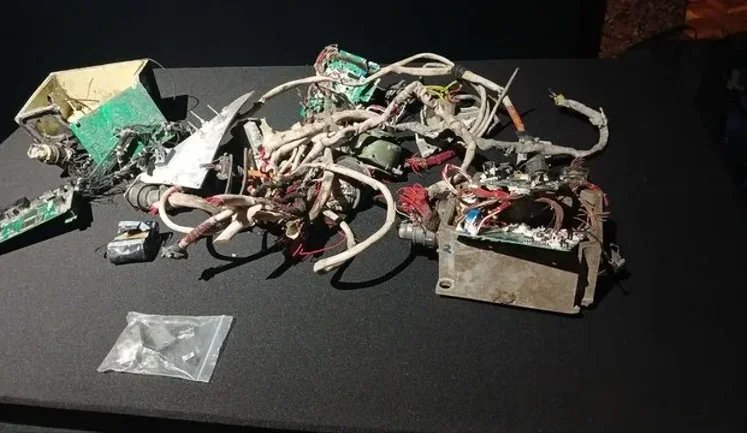
The Defence Intelligence of Ukraine has presented substantial evidence, including data and physical exhibits, showing Western components in Russian drones and missiles. This evidential trail highlights the ongoing issue of how such components circumvent export controls and end up in the Russian defense apparatus.
What are the implications of Rusal's aluminum supply to Russia?
Rusal's continued supply of aluminum, potentially used in weapon manufacturing, reveals significant industrial ties between Ireland and Russia. These stocks raise alarms about the economic and ethical dimensions of facilitating military end-use, prompting calls for more rigorous scrutiny and action.
What attempts have been made to replace foreign components in Russian weapons?
Russia has explored the idea of substituting foreign components with domestically produced alternatives. However, these efforts have largely been ineffective, particularly concerning crucial electronic elements that still rely on superior foreign technology for optimal performance and integration.