Iran's recent attacks on U.S. military facilities in Qatar, Iraq, and other Middle Eastern nations have ignited global concern. The strikes, including ballistic missile launches, have resulted in casualties and damaged critical infrastructure. NATO has responded to these threats, emphasizing its readiness to counter any aggression toward European allies. Meanwhile, diplomatic efforts are being made by global powers, including France's call for an urgent UN Security Council meeting. The United States has also sought assistance from Ukraine to bolster defenses against drone attacks in potential conflict zones. Amidst these developments, there are heightened security alerts, with nations advising citizens to avoid travel to the conflict-ridden regions.
What is the global response to Iran's attack on U.S. bases?
The international community has quickly responded to Iran's attacks on U.S. bases. NATO has emphasized its preparedness to address threats, while countries like France have urged for diplomatic discussions through the UN Security Council. The United States has also engaged allies, seeking defensive support to mitigate further escalation. These coordinated efforts aim to prevent a wider conflict and stabilize regional tensions.
How have NATO and the EU reacted to Iran's aggression?
NATO has declared its readiness to respond to any threats posed by Iran's actions on U.S. bases, underscoring its commitment to collective security. Similarly, the European Union is actively engaging with diplomatic partners to explore peaceful resolutions. Both organizations aim to de-escalate the situation while ensuring the safety and security of their member states.
What measures is the U.S. taking in response to the attacks?
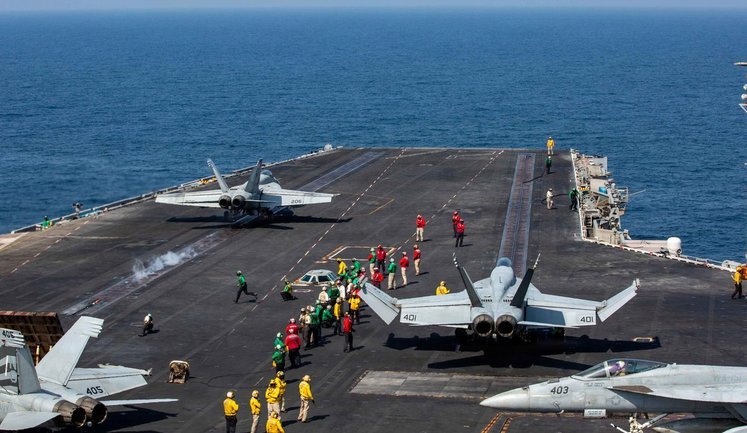
The United States is reinforcing its military presence and defenses in the Middle East, seeking assistance from allies like Ukraine to protect against drone strikes. The U.S. is also engaged in diplomatic conversations to prevent further conflict, while denying false claims about damage to its aircraft carriers, ensuring military readiness and resilience in the face of provocations.
What impact have these attacks had on Middle East security?
Iran's attacks have significantly heightened tensions and security concerns in the Middle East. Critical oil facilities have been targeted, and there have been casualties and military injuries, prompting quick diplomatic and security responses from affected nations and international allies, striving to maintain regional stability and prevent further escalations.
Are there travel advisories related to the Middle East conflict?
As a result of the escalating conflict, several countries, including Ukraine, have issued travel advisories for their citizens, recommending the avoidance of travel to high-risk areas such as Israel and Iran. These advisories underscore the rising security risks and potential for further military conflicts, urging civilians to exercise caution and defer non-essential travel.
What diplomatic solutions are being pursued to resolve tensions?
Diplomatic solutions are actively being sought to resolve the heightened tensions in the Middle East due to Iranian aggression. The European Union is coordinating with Arab and Israeli partners to find peaceful resolutions. These efforts include dialogue, negotiation, and involvement of international platforms like the UN to mediate and prevent further escalation.