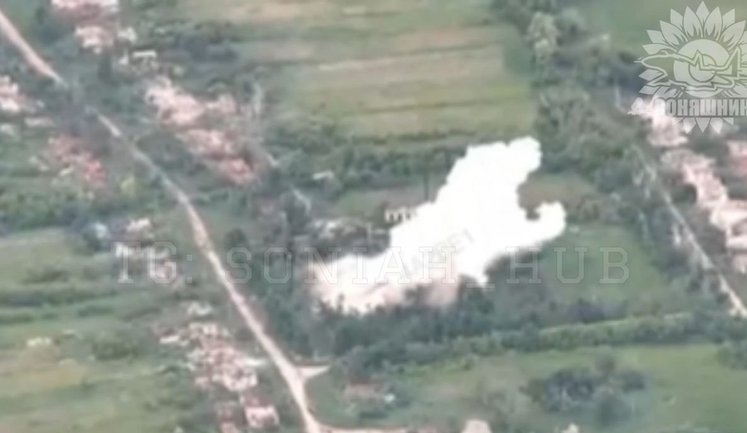
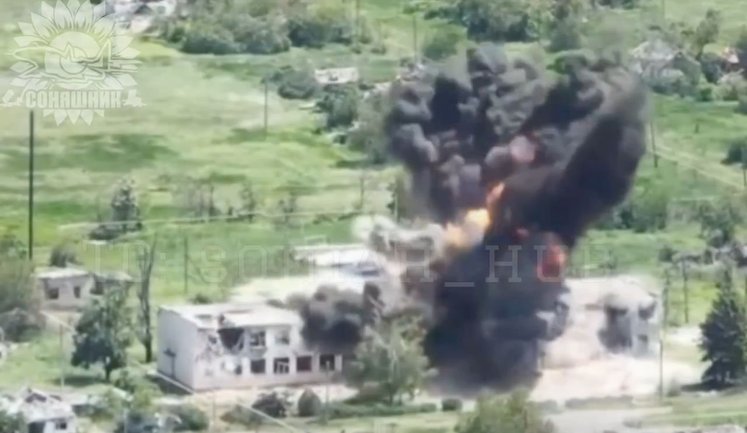
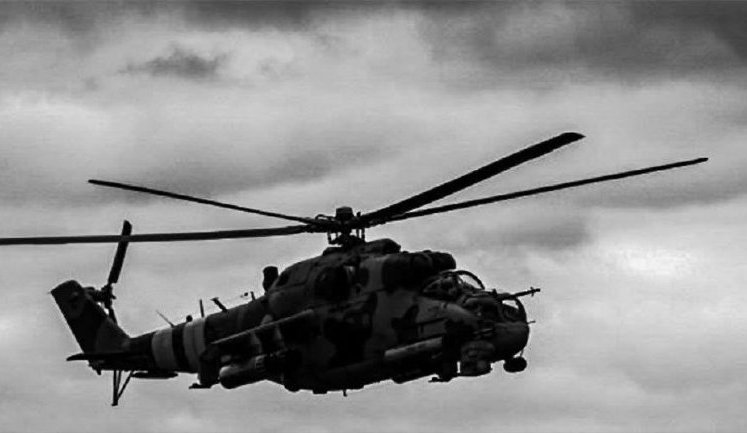
Ukraine's combat aviation is set to be bolstered following the unblocking of an EU financial package, as announced by President Zelenskyy. This comes at a crucial time, with the Ukrainian Air Force executing high-precision strikes utilizing Western-supplied weaponry. In recent operations, Ukrainian MiG-29 aircraft have successfully destroyed enemy UAV deployment sites and command posts, employing aerial bombs such as the AASM Hammer and GBU-62. These precision strikes have been pivotal in disrupting Russian operations across multiple regions, including Vasylivka and Kherson. The support from the European Union not only aids in expanding Ukraine’s air combat capabilities but also reinforces the effectiveness of ongoing air missions targeting high-priority enemy positions.
How is the European Union supporting Ukrainian aviation?
The European Union has approved a financial package that will enable Ukraine to significantly enhance its combat aviation capabilities. This support comes at a critical juncture, aiding in the acquisition and deployment of advanced fighter jets and precision weaponry, which are crucial for ongoing military operations and counter-terrorism efforts against enemy forces.
What are the key updates in AFU aviation operations?
Recent updates in AFU aviation include high-precision air strikes using Western precision-guided weapons. Successful operations have destroyed enemy UAV deployment sites, command posts, and positions in areas such as Vasylivka, Kherson, and Zaporizhzhia. The Ukrainian Air Force continues to deploy advanced aircraft like the MiG-29 and F-16 to deliver decisive blows against strategic enemy targets, significantly disrupting Russian military activities.
How has the MiG-29 been utilized in recent conflicts?
The MiG-29 has played a crucial role in recent Ukrainian military operations, carrying out strategic air strikes using advanced high-precision munitions like the GBU-62 and AASM Hammer bombs. These efforts have been instrumental in targeting and destroying enemy command posts, UAV control points, and concentration sites, providing substantial aerial support for ongoing ground operations against Russian forces.
What impact have GBU-62 bombs had on military operations?
GBU-62 bombs have significantly impacted Ukrainian military operations by providing the capability for high-precision strikes on enemy positions. These weapons have allowed the effective neutralization of key Russian assets, including command posts and infantry concentrations, ensuring minimal collateral damage and maximizing operational efficiency in contested regions.
How has AFU aviation affected enemy drone operations?
The Ukrainian Air Force has effectively disrupted enemy drone operations by targeting and destroying UAV deployment and control sites. Precision air strikes, often captured in strategic operations, have disabled enemy capabilities, undermining their surveillance and attack potential, and ensuring greater security for Ukrainian forces and civilians.
What role have aerial bombs played in Ukrainian air strikes?
Aerial bombs like the AASM Hammer and GBU-39 have been pivotal in the Ukrainian air strikes, enabling precise targeting of enemy positions, infrastructure, and command posts. These munitions have been central to the success of AFU operations, effectively dismantling Russian military capabilities and offering substantial support to ground forces engaging in counter-offensive actions.
What advancements have been made in AFU aviation tactics?
AFU aviation tactics have advanced significantly with the adoption of Western-supplied precision-guided munitions, allowing for targeted strikes with minimal collateral damage. The integration of tactical maneuvers and high-precision bombing has enhanced Ukraine's strategic advantage, disrupting enemy positions while maintaining air superiority across key fronts.