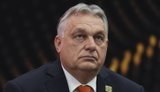
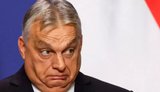
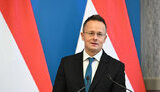
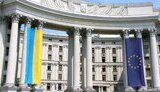
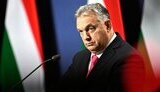
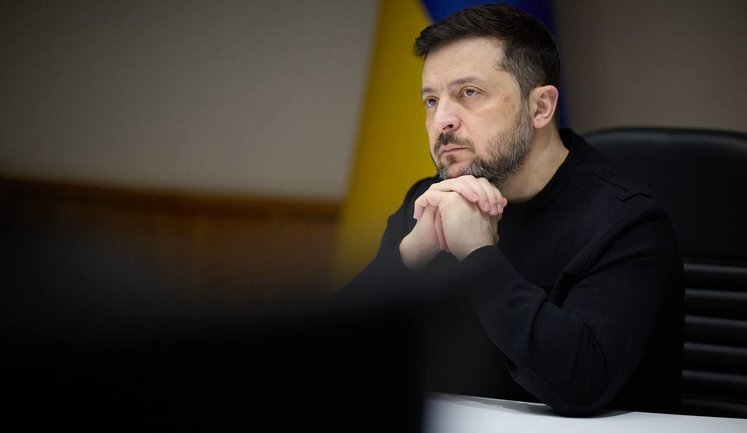
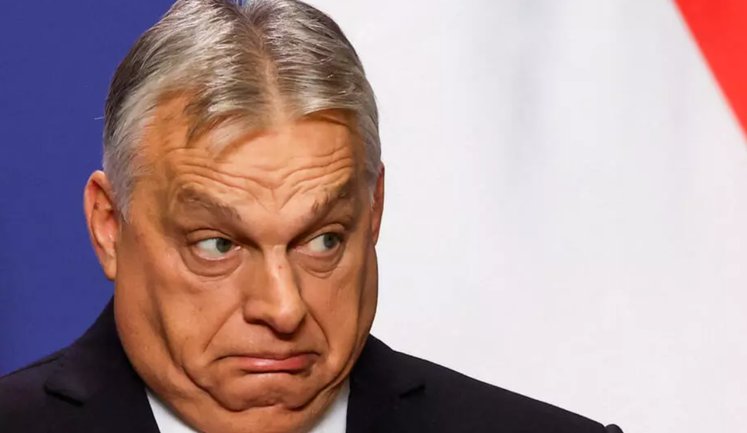
In recent developments, the relationship between Ukraine and Hungary has become strained due to several diplomatic and economic decisions. Hungarian Prime Minister Viktor Orbán's assertion that Ukraine should be a "buffer zone" and halt its ambitions to join NATO has sparked controversy. In response, Ukrainian President Volodymyr Zelenskyy emphasized Ukraine's willingness to cooperate with Hungary, provided its government does not align with Russian interests. The situation escalated with Hungary's decision to discontinue gas supplies to Ukraine, incurring over $1 billion in losses, as reported by the Ukrainian Foreign Ministry. This move, coupled with unauthorized Hungarian delegations visiting the Druzhba oil pipeline, has further strained ties. Ukrainian officials have also raised concerns about Hungary's handling of prisoners transferred from Russia. These complex diplomatic interactions underscore the challenging path to normalizing relations between the two nations.
Why is Hungary advocating for Ukraine to be a "buffer zone"?
Hungarian Prime Minister Viktor Orbán believes Ukraine should serve as a buffer zone to prevent further geopolitical tensions. He posits that this status would keep Ukraine out of NATO and the EU, in light of the changing political landscape in the region.
What economic consequences has Hungary faced due to cutting gas supplies to Ukraine?
Hungary has suffered significant economic losses exceeding $1 billion due to its decision to halt gas supplies to Ukraine. This action, ordered by Prime Minister Viktor Orbán, reflects the broader economic impact of strained bilateral relations.
How has Ukraine responded to Hungary's diplomatic actions?
Ukraine has taken a firm stance in response to Hungary's recent diplomatic actions, emphasizing readiness to cooperate with Hungary only if its government is not aligned with Russian policies. Ukraine has also summoned the Hungarian ambassador to address various concerns regarding Hungary's actions.
What issues have arisen from Hungary's delegation visiting the Druzhba oil pipeline?
The visit by Hungary's delegation to the Druzhba oil pipeline without coordination with Ukraine has triggered diplomatic tensions. Ukraine issued an official objection to the lack of communication and protocol adherence, citing it as a breach of bilateral trust.
How has the European Commission responded to Zelenskyy's remarks about Orbán?
The European Commission deemed President Zelenskyy's remarks about Prime Minister Orbán as unacceptable. The commission stressed the importance of refraining from rhetoric that could exacerbate tensions and urged both countries to engage in constructive dialogue.
What is the stance of the Hungarian opposition regarding Zelenskyy's statements?
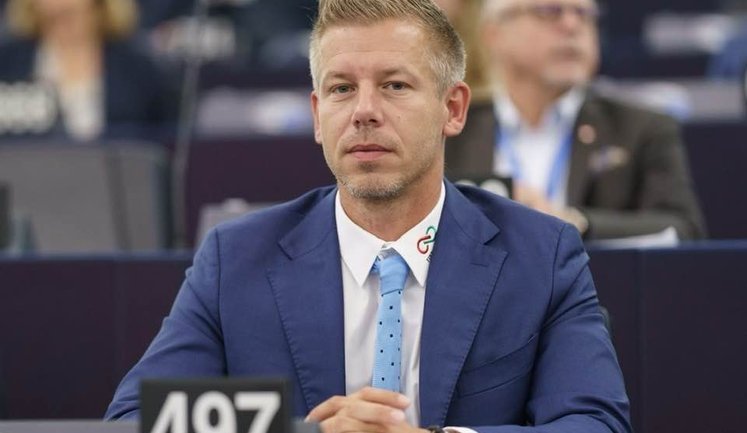
The Hungarian opposition, led by Peter Magyar, has strongly criticized Zelenskyy's statements regarding Prime Minister Orbán. Magyar called on the Ukrainian president to clarify his comments, highlighting internal political disagreement over handling Ukraine-Hungary relations.
What steps has Ukraine proposed for future relations with Hungary?
Ukraine is open to working with any Hungarian government that prioritizes peaceful relations and does not align with Russian interests. This proposal aims to foster a cooperative future, provided Hungary refrains from policies perceived as hostile by Ukraine.
What led to Hungary skipping the EU Council meeting in Lviv?
Hungary's decision to skip the EU Council meeting in Lviv reflects ongoing diplomatic discord. By choosing not to attend, Hungary signals its disapproval of collective EU positions and expresses its national interests in a divergent manner from other member states.