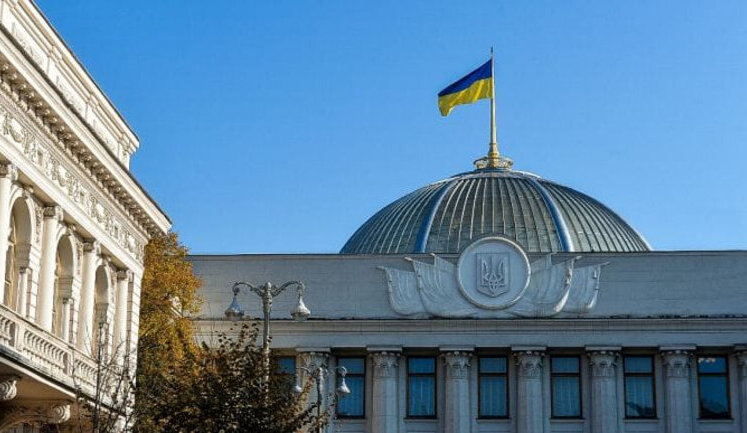
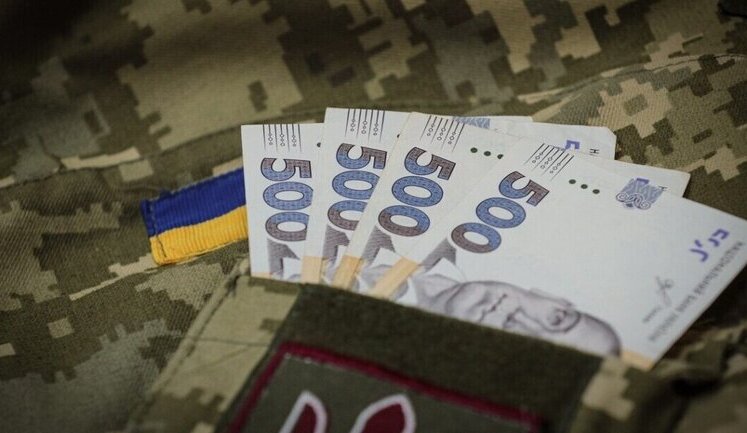
Ukraine's state budget has gained significant attention due to its military expenditure reaching new heights, positioning the nation among top military spenders worldwide. The Verkhovna Rada's recent approval of the 2026 draft budget marks a pivotal moment for Ukraine's fiscal strategy. The budget outlines ambitious spending plans while ensuring social obligations are met, as instructed by President Zelenskyy following Prime Minister Svyrydenko's report. Noteworthy amendments have also increased non-military spending by 40 billion UAH for 2025. However, discussions regarding merging ministries to curb costs did not lead to the expected expenditure cuts. Future audits may reshape spending priorities as the government explores efficient allocation of resources.
What are the key components of Ukraine's 2026 state budget?
The 2026 state budget of Ukraine includes substantial allocations for military expenses, reflecting the nation's heightened defense priorities. It also focuses on fulfilling social obligations as emphasized by President Zelenskyy. Amendments from the Verkhovna Rada have allocated an additional 40 billion UAH for non-military spending, highlighting areas such as education and healthcare.
How has Ukraine's military spending impacted its state budget?
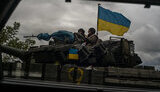
Ukraine's military spending has positioned the country among the world's leading defense spenders, significantly influencing the overall state budget allocation. The substantial funds directed towards defense reflect an ongoing commitment to national security amidst escalating geopolitical challenges, as the government prioritizes both military readiness and social welfare.
What changes were made to non-military spending in the 2025 budget?
The Ukrainian Parliament, Verkhovna Rada, recently approved an amendment that increased the non-military spending of the 2025 budget by 40 billion UAH. This was designed to bolster sectors like education, healthcare, and infrastructure, addressing socio-economic needs without compromising on defense investments.
What are the implications of the merger of ministries in terms of state spending?
The proposal to merge various Ukrainian ministries was aimed at reducing redundant administrative costs and streamlining government operations. However, recent alterations to the state budget did not reflect anticipated savings from these mergers, indicating challenges in reducing non-core budgetary expenditures as detailed by Zhelezniak.
What role does Prime Minister Svyrydenko play in budgetary planning?
Prime Minister Yuliia Svyrydenko is integral to Ukraine's budgetary planning, regularly briefing the President on fiscal strategies and advocating for comprehensive audits. She leads initiatives to monitor and reallocate state budget expenditures while ensuring national priorities align with socio-economic objectives, aiming to adjust the budget framework for enhanced economic resilience.
What fiscal strategies have been adopted for Ukraine's economic goals?
Ukraine's fiscal strategies include significant defense spending with a balance in social commitments. The government's approach involves conducting audits to refine budget allocations and enhancing non-military funding. This ensures that economic goals are met while addressing pressing issues like national security and socio-economic development.