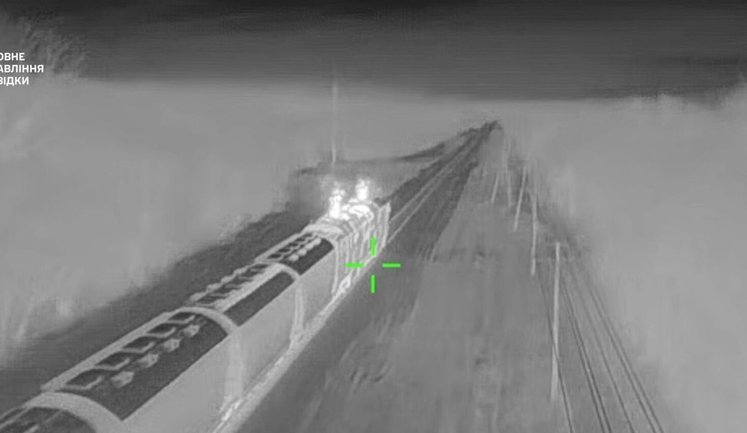
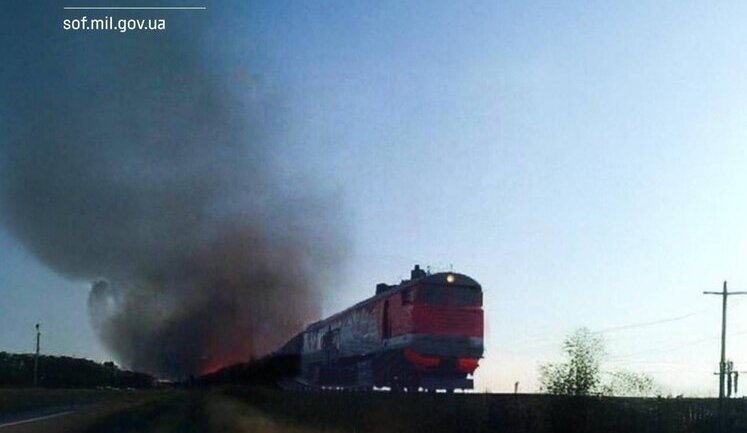
In recent operations, Ukrainian defense forces have successfully targeted Russian logistics to undermine their military efficacy. The 422nd "LUFTWAFFE" regiment recently struck two locomotives in Zaporizhzhia, while other units have hit radar systems and military infrastructure. Notable strikes include an oil depot and fuel warehouses in Luhansk after night operations by Ukraine’s Special Operations Forces. Additionally, critical logistical nodes in occupied Crimea and communications equipment in Russia have been targeted to further disrupt Russian military operations. These concerted efforts expose and exploit vulnerabilities in Russian logistics, significantly impacting their capacity and capability on the battlefield in Ukraine.
How are Ukrainian forces disrupting Russian logistics?
Ukrainian forces are disrupting Russian logistics by targeting locomotives, oil depots, and radar systems in occupied territories. These strategic strikes aim to weaken the military and economic potentials of the Russian aggressors, impacting their supply routes and military operations.
What are the recent targets of Ukrainian strikes?
Recent targets include locomotives in Zaporizhzhia, oil and fuel depots in Luhansk, and radar systems in occupied territories. These strikes are part of a comprehensive strategy by Ukrainian forces to dismantle Russian logistics and military infrastructure, causing significant logistical disturbances.
How effective are these strikes against Russian logistics?
The strikes have been highly effective in disrupting Russian supply chains and logistical operations. By targeting critical nodes like railway stations and depots, Ukrainian forces are significantly impeding the movement of equipment and supplies, thus crippling the Russian military's operational capabilities.
What is the strategic significance of targeting Russian logistics?
Targeting Russian logistics is strategically significant as it debilitates the enemy’s ability to sustain military operations. By striking supply chains and infrastructure, Ukraine aims to weaken Russia’s war capabilities, lowering their offensive potential and strategic effectiveness in occupied territories.
Which Ukrainian forces are involved in these logistics strikes?
The Ukrainian Special Operations Forces and the 422nd Separate Unmanned Systems Regiment are actively involved in these operations. Their precise and strategic strikes underline the effectiveness of Ukraine's tactical approaches against Russian infrastructure, reinforcing their defensive and offensive operations.
What type of infrastructure is targeted in these operations?
The targeted infrastructure includes railway locomotives, oil and fuel depots, radar systems, and communications facilities. By focusing on these critical logistical components, Ukrainian forces effectively degrade the enemy’s operational logistics and supply chains, crucial for maintaining military activities.
What impact do these strikes have on occupied territories?
The impact is significant as these strikes disrupt the operational logistics supporting occupying forces, diminishing their capabilities and creating an environment of logistical chaos. It weakens enemy resilience and sustains pressure on their operational capabilities in the occupied territories.
Have Ukrainian logistics strikes affected other aspects of Russian operations?
Yes, the strikes have caused power outages, disrupted transportation, and led to the destruction of communication facilities necessary for military coordination. This disruption extends the logistical challenges faced by Russian forces, further complicating their operational planning and execution.