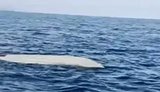
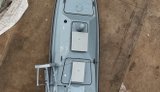
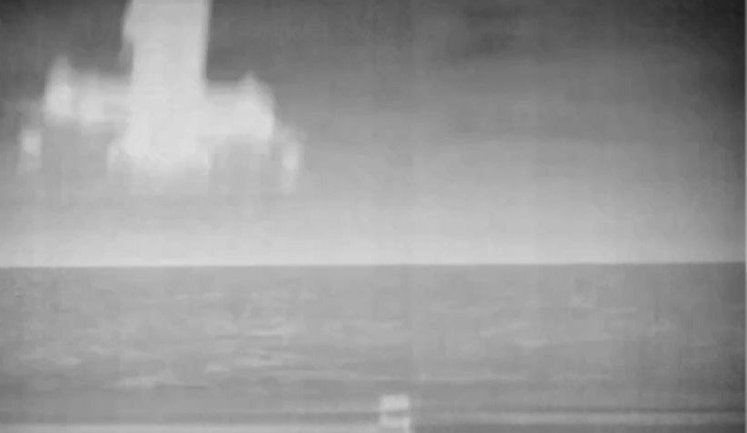
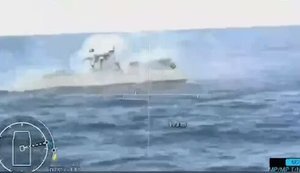
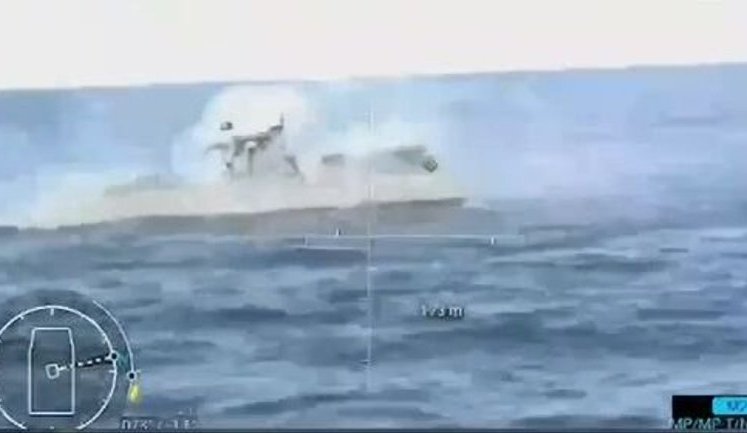
The use of sea drones has become a crucial element in military operations for Ukraine, especially in its ongoing defense against Russian forces. Notable incidents in 2026 include the first-ever battle involving unmanned surface vessels where the Ukrainian Navy, alongside Defence Intelligence, successfully destroyed a Russian unmanned surface vessel in the Black Sea. Additionally, marines from the 40th Brigade utilized Barracuda naval drones for a special operation against Russian forces in the Dnipro estuary and Tendra Spit, highlighting the advanced capabilities of Ukrainian maritime drones. Furthermore, the US military deployed Ukrainian Magura V5 drones during exercises in the Philippines, successfully sinking a target ship. This technological advancement is a testament to Ukraine's strategic military innovations and partnerships, with countries like Norway and Portugal investing in or collaborating on maritime drone technology. However, this heightened activity has not been without controversy, as evidenced by explosions in the Romanian port of Constanta and accusations from Russia concerning attacks on their gas tanker with Ukrainian drones.
What is the significance of sea drones in Ukraine's military strategy?
Sea drones represent a strategic advancement in Ukraine's military operations, allowing for stealthy and precise attacks on enemy targets. They enable remote operations and surveillance, enhancing reconnaissance capabilities and operational reach. This has made them significant in the Ukrainian defense against Russian forces, especially in naval and coastal operations.
How were Ukrainian drones utilized in the Philippines by the US?
The US military used Ukrainian Magura V5 naval drones during exercises in the Indo-Pacific region. These drones were employed in the Philippines to execute a simulated attack, successfully sinking a decommissioned target ship, demonstrating their effective use in military exercises and the strategic partnership between Ukraine and the US.
What was the outcome of the operation involving the Barracuda drones in Ukraine?
The Barracuda naval drones were used by the 40th Brigade of Ukrainian marines to conduct successful operations against Russian forces in the Dnipro estuary and Tendra Spit. These operations showcased the advanced capability of Ukrainian maritime drones in accessing and targeting areas that were previously unreachable, thereby significantly enhancing military effectiveness.
What was the international response to the explosion in Constanta?
The explosion in the Romanian port of Constanta, attributed to a naval drone, led to a swift response from Romanian authorities who evacuated the area and launched an investigation. Romanian President Nicusor Dan described the incident as a consequence of Russia's war against Ukraine, reflecting international concerns over the wider implications of maritime drone use in the Black Sea region.
How are countries supporting Ukraine in developing maritime drones?
Countries like Norway and Portugal are providing significant support to Ukraine in developing its maritime drone capabilities. Norway has pledged over 1 billion kroner for drone development, while Ukraine and Portugal have signed agreements to cooperate on drone production. These collaborations are crucial for advancing Ukraine's technological edge in defense and strengthening international defense ties.
What are the potential risks of using sea drones in conflict zones?
The use of sea drones in conflict zones poses risks such as escalation due to the potential for misidentification of drone operators or targets. The autonomous nature of these drones also raises concerns about accountability and control over actions in contentious environments. Additionally, collateral damage and international incidents, like those seen at Constanta, highlight the need for clear protocols and regulations governing their use.