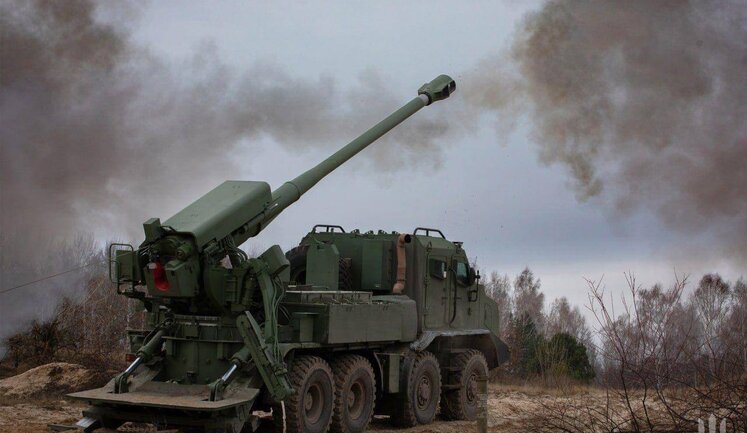
Ukrainian arms exports remain a contentious issue as political leaders and regulatory bodies impose strict controls, delaying market entry. Despite a potential market for drones and artillery systems, political hesitations and complex regulations prevent Ukrainian manufacturers from capitalizing on global demand. The National Association of the Defence Industry of Ukraine (NAUDI) advocates for clearer guidelines and the reduction of export restrictions to prevent economic losses. These hurdles underscore the need for transparent procedures and cooperation between manufacturers and the Ukrainian government to facilitate arms exports and tap into lucrative markets in Europe, the Middle East, and the United States in 2026.
Why are Ukrainian arms exports facing challenges in 2026?
Ukrainian arms exports in 2026 are encountering challenges due to political opposition and regulatory complexities. The Ukrainian political leadership and Ministry of Defense have been cautious in granting export licenses, fearing that liberalizing exports could impact domestic defense needs. As a result, joint ventures and export opportunities are often stalled, limiting the capacity of manufacturers to enter the international arms market.
What might Ukraine lose due to delayed arms export processes?
Delays in Ukraine's arms export processes may result in significant economic losses, as seen in potential contracts like Germany's €2.4 billion drone purchase which could have involved Ukrainian manufacturers. These delays not only impact revenue but also risk diminishing Ukraine's influence and potential partnerships in the global arms trade. Clear and efficient export protocols are essential to capitalize on international demand and foster economic growth.
What impact do export restrictions have on Ukrainian arms manufacturers?
Export restrictions significantly hinder Ukrainian arms manufacturers' ability to compete globally. The stringent controls prevent companies from exporting surpluses or innovative technologies, leading to underutilization of Ukraine's defense industry. The lack of export opportunities reduces overall sector growth, deters potential foreign collaborations, and limits revenue-generation capabilities required to sustain jobs and technological advancements within the industry.
How is Ukraine planning to enhance its arms export sector?
Ukraine is planning to enhance its arms export sector by establishing export platforms in strategic locations such as Europe, the US, and the Middle East. These efforts aim to streamline processes, increase transparency, and foster trustful relations with reliable countries. Moreover, there is a push from industry bodies like NAUDI for reduced restrictions and clearer guidelines to boost international competitiveness and tap into burgeoning markets for Ukrainian-made defense technologies.
What recent developments suggest improvement in Ukraine's arms export policies?
Recent developments indicating improvement in Ukraine's arms export policies include the resumption of controlled arms exports and the establishment of initial export centers in Europe by 2026. The interagency commission on military-technical cooperation has started issuing permits following an eight-month hiatus. Additionally, production lines for Ukrainian drones initiated abroad signal openness to partnerships, which suggests a potential positive shift in the regulatory landscape facilitating exports.
Are there government efforts to boost arms exports from Ukraine?
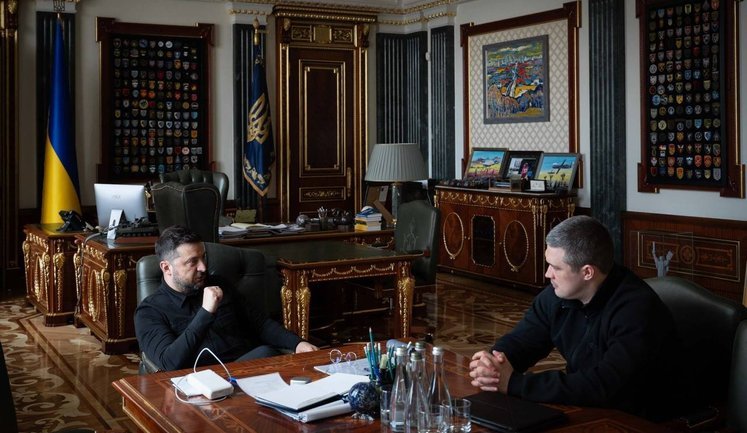
Yes, government efforts to boost arms exports from Ukraine include launching initiatives like export centers across Europe and opening an export office in Berlin. President Zelenskyy has initiated programs to increase the export of Ukrainian weapons, including surplus arms, as part of strategic economic plans. These moves come alongside calls to simplify and clarify export procedures, aiming to ensure stability and growth within the defense sector amid heightened global competition.