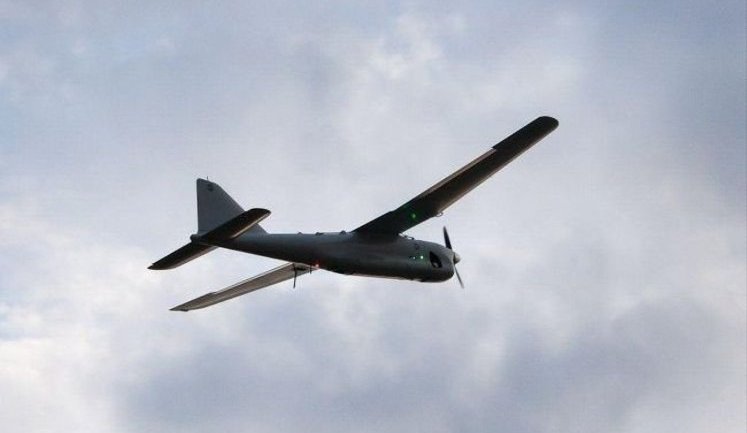
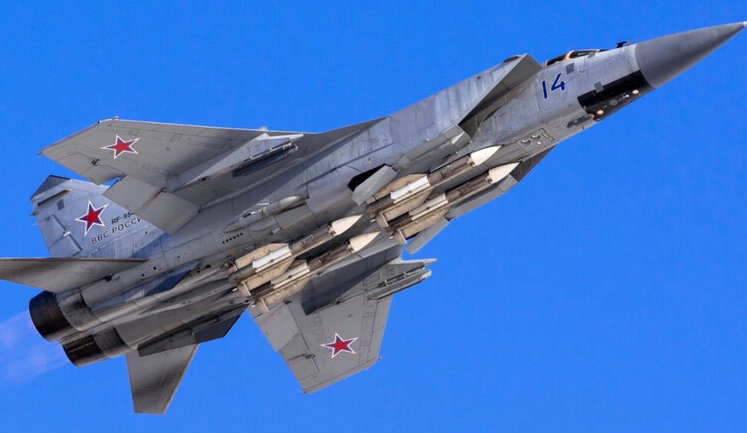
Recent airspace violations, particularly by Russian military forces, have heightened tensions across Europe. Europe's air defenses and NATO's collective response are being tested by incursions over countries like Estonia, resulting in NATO deploying fighter jets. Russia's provocative flights, including those of Tu-95 bombers and drones, have led nations like Moldova and Lithuania to voice official protests and enhance their defenses. The situation is worsening with some European leaders advocating for shooting down rogue aircraft. President Macron and others stress upon the importance of a secured airspace and the need for robust defense mechanisms. The Russian infringement on European airspace symbolizes the escalating geopolitical strain, compelling NATO to devise more stringent preventive measures.
What actions are being taken by NATO regarding airspace violations by Russia?
NATO has increased its air patrols and readiness to deploy fighter jets swiftly in response to any airspace violations by Russian military forces. Collective defense strategies are in place to counter such threats, and some leaders have mentioned potential retaliation through defensive means, including shooting down violating aircraft if necessary.
Why is the issue of airspace violations significant in Europe currently?
The issue of airspace violations is significant due to the rising frequency of incidents involving Russian military aircraft and drones violating the airspace of various European countries. This poses a threat to national security and has led to increased tensions between the European Union, NATO, and Russia, necessitating a reevaluation of defense strategies to protect sovereign airspace.
What measures are European countries implementing to safeguard their airspace?
European countries are strengthening their air defense systems, increasing surveillance, and deploying fighter jets more frequently to counter incursion threats. Legislative measures, such as allowing law enforcement agencies to engage offensive drones, are being considered. Collaborative efforts with NATO are also key components of these strategies to ensure comprehensive protection across the region.
How has Russia responded to accusations of airspace violations?
Russia has generally denied intentional violations and viewed NATO's reactions as provocative, citing them as causes of escalating tensions. However, the lack of agreements regarding air truce negotiations with individual countries like Ukraine further complicates diplomatic relations and continues to fuel the debate around these incidences.
What diplomatic outcomes could result from continuous airspace tensions between Russia and NATO?
Continuous airspace tensions could lead to increased diplomatic engagements aimed at conflict resolution, including negotiations for airspace agreements. However, they also risk escalating into more severe military confrontations if not addressed diplomatically. The situation demands cautious strategies to prevent an outright physical conflict while advocating for stronger defense coalition frameworks.
What is the significance of the "Drone Wall" mentioned by Zelenskyy?
The "Drone Wall" refers to a strategic defense initiative endorsed by President Zelenskyy of Ukraine to counter potential drone threats and highlight the necessity of robust aerial defenses. It underscores the need for collaborative efforts amongst European nations to thwart unauthorized drone operations that endanger security and stability.