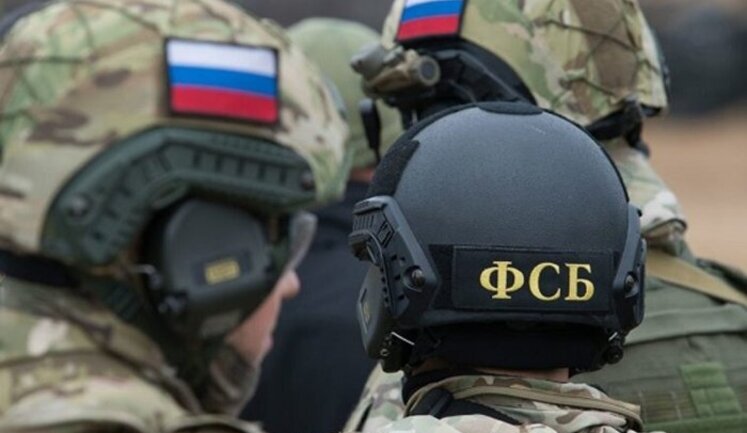
Russian espionage in Europe is escalating. Reports suggest the Russian military may have placed hidden sensors near Estonia to aid underwater drones. This adds a layer of complexity to Russia's intelligence operations in the region, raising alarms among European security agencies. Additionally, European intelligence expelled around 700 Russian officers since Ukraine's invasion, yet Russia continues to adapt by recruiting "disposable" agents. These agents are being drawn from various social avenues, reflecting a strategic shift towards utilizing civilians. The evolving espionage tactics underscore the persistent threat posed by Russian intelligence, demanding increased vigilance from European countries.
What specific espionage activities are alleged against Russia in Europe?
Russian espionage activities in Europe include installing hidden sensors near significant locations like the ferry Estonia to aid underwater drones and recruiting civilians as "disposable" agents to perform intelligence tasks, signaling a strategic shift amid diplomatic agent expulsions.
How has the recruitment of "disposable" agents evolved in Europe?
Following the expulsion of many Russian officers, there is an increase in recruiting "disposable" agents among civilians. This recruitment leverages social networks, community centers like churches, and even sports clubs to subtly integrate these agents into intelligence activities.
In what ways are European countries responding to Russian espionage threats?
European countries have expelled around 700 Russian intelligence officers since the full-scale invasion of Ukraine. They continually enhance security measures and intelligence cooperation among agencies while surveilling and potentially intercepting further attempts by Russia to undermine regional security.
What are the implications of hidden sensors near Estonia for regional security?
The installation of hidden sensors near Estonia poses heightened security risks for the region as it facilitates underwater drone operation by Russian forces. This capability enhances Russian surveillance potential and threatens maritime and regional stability, prompting security reviews by neighboring countries.
Why is civilian recruitment a significant strategic shift in espionage?
Civilian recruitment marks a significant change as it allows Russian intelligence to continue operations despite losing traditional diplomats. By embedding agents within civilian structures, Russia can maintain a presence and gather intelligence more subtly, complicating detection by European agencies.