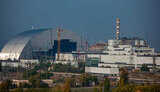
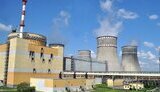
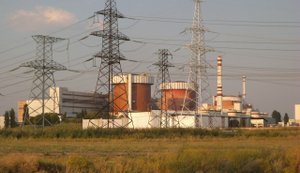
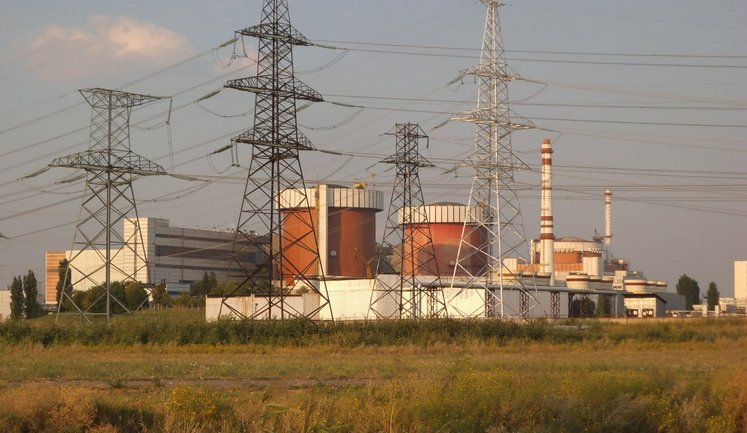
Russia's military strikes on nuclear power plant substations have significantly impacted Ukraine's energy infrastructure. The attacks damaged key distribution points at the Khmelnitskyi and Rivne nuclear power plants, compelling them to reduce electricity generation. The IAEA has expressed concern over the situation, emphasizing the need for secure and uninterrupted power flow to support Ukraine's grid. This incident highlights the challenges Ukraine faces amidst ongoing conflicts, jeopardizing both local and international energy supply chains. Furthermore, the reduction in output poses potential risks to the energy supply stability in the region.
How have Russian strikes affected Ukraine's nuclear plants?
The Russian strikes on Ukraine's nuclear power plants, specifically targeting the distribution substations, have forced Khmelnytskyi and Rivne plants to reduce their electricity output. This has disrupted the energy supply chain and raised serious concerns over the security and stability of Ukraine's energy infrastructure. Such attacks pose a significant threat to both domestic and international energy supply and highlight the critical nature of protecting energy facilities in conflict zones.
What impact have the attacks had on the Khmelnytskyi nuclear plant?
The Khmelnytskyi nuclear power plant has been forced to lower its electricity generation due to damage inflicted on its distribution substations from Russian military strikes. This reduction hampers its ability to provide stable energy supply and presents a measured risk towards meeting both national and local energy demands, accentuating concerns over power security in Ukraine as the conflict persists.
What risks do the reduction in NPP output pose to Ukraine?
The reduction in output from Khmelnytskyi and Rivne nuclear power plants due to Russian strikes poses risks of power shortages and instability in Ukraine's energy grid. It threatens to disrupt normal societal and economic activities and could potentially have far-reaching consequences on regional energy dynamics, making the swift restoration of full operational capacity crucial.
Why did the IAEA express concern over the nuclear strikes in Ukraine?
The IAEA has shown concern due to the strategic and safety implications of strikes on nuclear facilities. The attacks on distribution substations of Khmelnytskyi and Rivne nuclear plants risk critical disruptions to energy output, posing significant threats to the safety, security, and operational integrity of nuclear power infrastructure in the region, which could have broader international repercussions.
What are the broader implications of these power plant disruptions?
The disruptions at the Khmelnytskyi and Rivne nuclear power plants due to Russian strikes may lead to broader implications for both regional energy security and geopolitical stability. The strikes not only diminish the power generation capabilities of Ukraine but also underscore the vulnerabilities of energy infrastructures in conflict zones. As these facilities support the regional power grid's stability, any extended interruptions could influence both local economic conditions and cross-border energy projects.