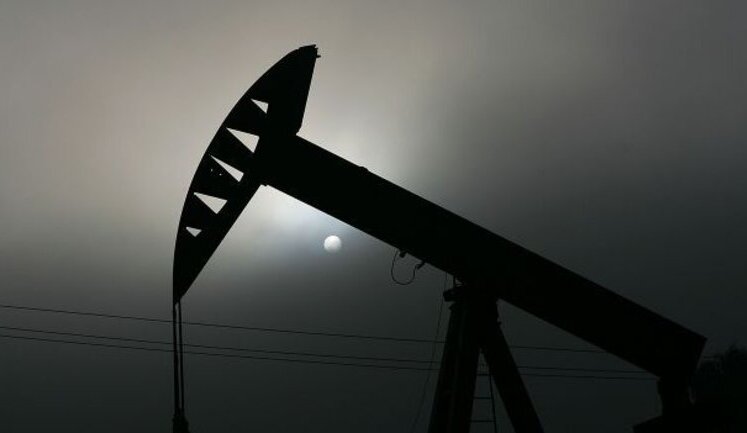
The global oil market is once again at the center of political discourse as countries navigate economic strategies. President Donald Trump announced the construction of a large oil refinery in the US, a milestone development since it will be the first in 50 years. His administration emphasizes maintaining low oil prices to safeguard economic stability and avoid empowering adversaries. Meanwhile, EU debates intensify over the proposal to cut the Russian oil price ceiling to $45, potentially tightening sanctions against Russia. The UK's call for G7 engagement underscores the bloc's efforts to increase pressure on Russia. Ukraine's push for a $30 per barrel cap reflects a strategic move to further isolate Russia economically. These developments illustrate the intricate role oil prices play in shaping international relations.
Why is the construction of a new oil refinery in the US significant?
The construction of a new oil refinery in the US is significant because it marks the first such development in 50 years. This initiative aims to boost domestic energy production, reduce reliance on international markets, and potentially stabilize oil prices by increasing supply. Such a step is critical in shaping America's energy policy and economic strategy.
What impact could low oil prices have on the global economy?
Low oil prices can have varied impacts on the global economy. For oil-importing countries, low prices can reduce costs for businesses and consumers, potentially stimulating economic growth. Conversely, oil-exporting nations may face revenue shortages, affecting public spending and economic stability. Geopolitical tensions may also arise as countries adjust to these economic shifts.
How do oil prices affect relations between the EU and Russia?
Oil prices are a critical element in EU-Russia relations, especially considering Europe's reliance on Russian energy. Adjusting the price ceiling on Russian oil is a strategic tool employed by the EU to exert economic pressure on Russia, aiming to curb its geopolitical influence and address the ongoing conflict involving Ukraine. Changes in oil prices directly impact the effectiveness of sanctions and diplomatic negotiations.
What is the significance of Ukraine's proposal to lower the Russian oil price cap?
Ukraine's proposal to lower the Russian oil price cap to $30 per barrel is significant as it seeks to further economically isolate Russia, advocating for stricter sanctions from the European Union. This move aims to weaken Russia's financial resources and limit its ability to sustain military operations, thereby supporting Ukraine's strategic interests in the ongoing conflict.
How do G7 nations influence global oil price decisions?
The G7 nations, as major economic powers, play a crucial role in shaping global oil price policies. By coordinating on price ceilings and sanctions, the G7 can influence international decisions and ensure a cohesive approach to managing economic pressure on countries like Russia. Their collective action is vital in maintaining balanced global energy markets and addressing geopolitical challenges associated with oil prices.