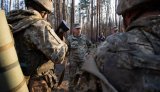
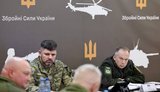
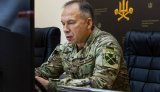
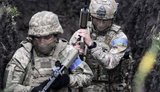
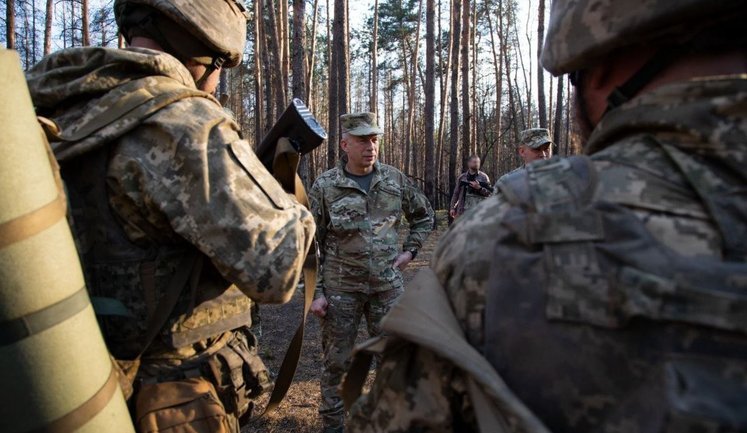
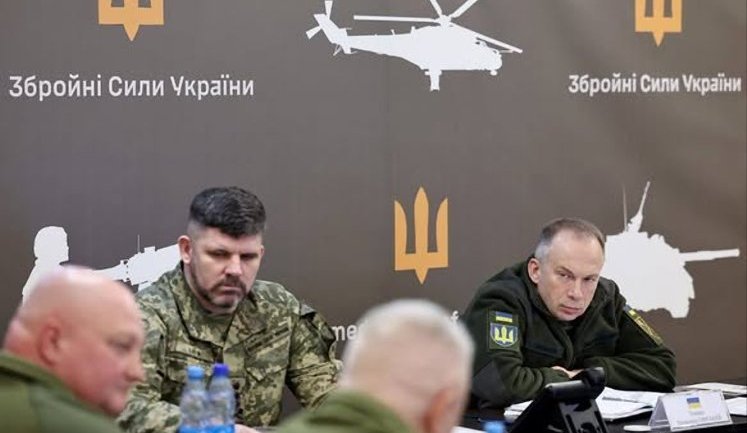
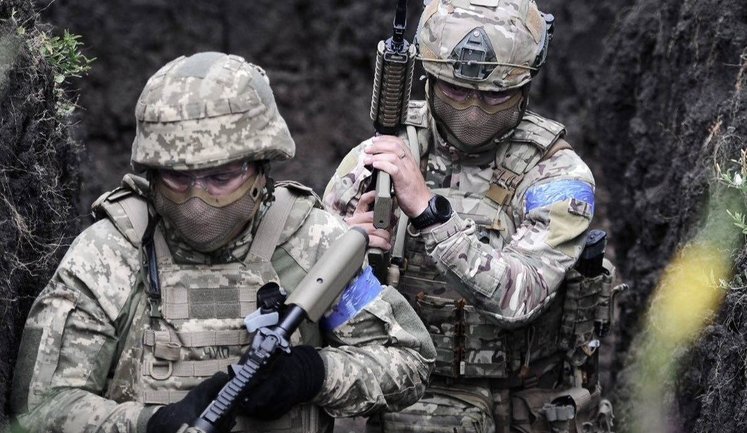
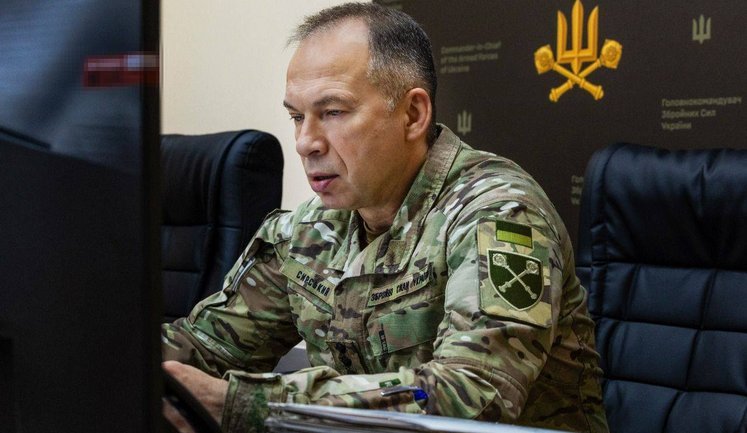
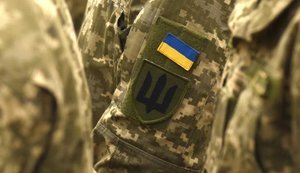
Commander-in-Chief Oleksandr Syrskyi has emphasized the need for improvement in the basic training quality of many military brigades. Current training centers are not fully utilizing their potential, impacting readiness and efficiency. Meanwhile, the General Staff is addressing personnel shortages by sending AWOL soldiers to all combat brigades, including the crucial Airborne Assault Troops. Additionally, a new approach detailed by Pavlo Palisa will distribute mobilized personnel among military units before beginning Basic Combined Arms Training (BCAT). This strategic refinement aims to streamline decisions and improve the Armed Forces' operational capacity.
Why does Oleksandr Syrskyi want to improve basic training in brigades?
Oleksandr Syrskyi stresses improving basic training in brigades because current training centers are not being fully utilized, which affects combat readiness and overall efficiency of military operations. Enhanced training aims to ensure that soldiers are well-prepared for various combat scenarios.
How are AWOL soldiers reintegrated into brigades?
AWOL soldiers, who return to reserve after unauthorized leave, are reintegrated into brigades to address personnel shortages. They are strategically placed into all combat units, including Airborne Assault Troops, to strengthen military forces and enhance operational capabilities.
What changes did Pavlo Palisa announce about personnel distribution?
Pavlo Palisa announced new strategies for the distribution of mobilized personnel among military units. This approach seeks to reduce manual decision-making, improving efficiency as personnel will be placed in combat units even before starting Basic Combined Arms Training, optimizing force readiness.
What is the purpose of Basic Combined Arms Training (BCAT)?
The purpose of Basic Combined Arms Training (BCAT) is to ensure that mobilized personnel are equipped with essential skills and knowledge for modern warfare. It covers various combat techniques, the use of weapons, and coordination among units, crucial for effective military operations.
How does the new personnel distribution mechanism benefit the Armed Forces?
The new personnel distribution mechanism enhances the Armed Forces by ensuring a steady and efficient flow of trained individuals into combat units. This facilitates quicker response times and improves the overall readiness and adaptability of military brigades facing dynamic battlefield conditions.