The ongoing Russian aggression, highlighted by its war against Ukraine, has significantly altered geopolitical dynamics, particularly in the Middle East, analysts report. Moscow's weakened position limits its influence in the region, as evidenced by political and military developments. Disturbing footage from Ukrainian cities like Toretsk underscores the severe humanitarian impact, with once-thriving communities left in ruin. Russian military blunders continue, such as unauthorized border crossings and internal strife exposed by dissidents and propagandists alike. Globally, nations like Moldova and Cuba are responding to Russia's actions, reflecting the far-reaching implications of this aggression. The international community's response remains crucial to addressing these geopolitical shifts.
How has Russian aggression affected Moscow's influence in the Middle East?
Russian aggression, particularly its war against Ukraine, has weakened Moscow's influence in the Middle East. Analysts suggest that the ongoing conflict has altered the balance of power, limiting Russia's ability to exert the same level of control and influence as it once did. This shift is likely to have long-term implications for regional stability and political alliances.
What impact did the Ukrainian war have on Toretsk?
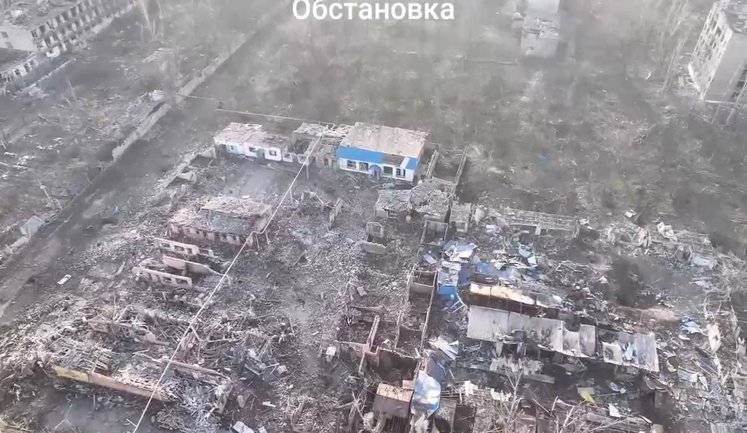
The war's impact on Toretsk has been devastating. Footage reveals the city severely damaged, showing a stark contrast to its former 35,000-strong community in the Donetsk region. This destruction highlights the broader humanitarian crisis caused by Russian military actions, deeply affecting civilian lives and infrastructure.
How are neighboring countries responding to Russian military actions?
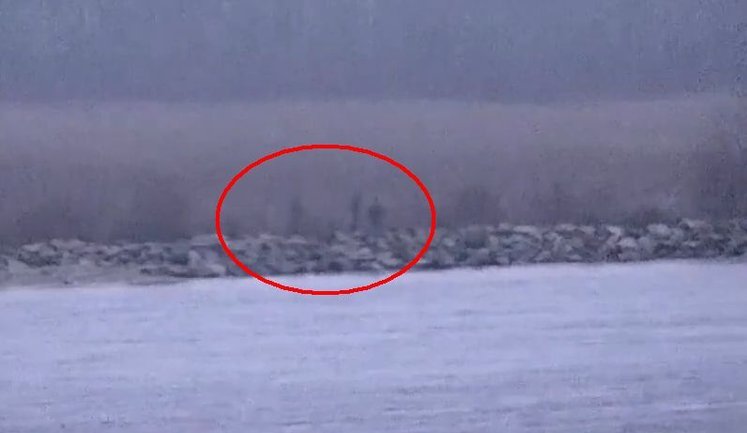
Neighboring countries have shown increasing unease towards Russian military actions. For example, the incident involving Russian border guards trespassing on Estonian territory underscores growing tensions and the need for vigilant border controls. Such incidents are prompting stronger defensive measures and diplomatic responses from affected nations.
What are the humanitarian consequences of Russian strikes in Ukraine?
The humanitarian consequences of Russian strikes in Ukraine are severe, with reports of targeted attacks aiming to force civilian displacement. These strikes disrupt daily life, damage infrastructure, and provoke population movements. Civilian suffering is compounded by malnutrition among soldiers and systemic military inadequacies.
What actions has Moldova taken in response to Russian diplomacy?
Moldova has taken a firm stance by delaying the accreditation of a new Russian ambassador due to undiplomatic behavior. This decision reflects growing diplomatic tensions and Moldova's commitment to addressing conduct that undermines international norms. Such measures signal a broader geopolitical shift away from Russian influence.
What revelations have Russian propagandists made regarding military strategies?
Russian propagandists have admitted that military strategies include strikes designed to evacuate Ukrainian civilians forcibly. This revelation highlights the intentional targeting of civilians and infrastructure as a part of broader military objectives, underscoring the harsh realities of the tactics employed in the ongoing conflict.
What is the significance of US observations on foreign fighters in Ukraine?
The US has noted a significant influx of Cuban fighters joining Russian forces in Ukraine, approximately 5,000 individuals. This development indicates a complex international aspect of the conflict, where Russia attracts support from various global actors, challenging international peace efforts and complicating diplomatic resolutions.
How are recent military developments affecting Russian troops?
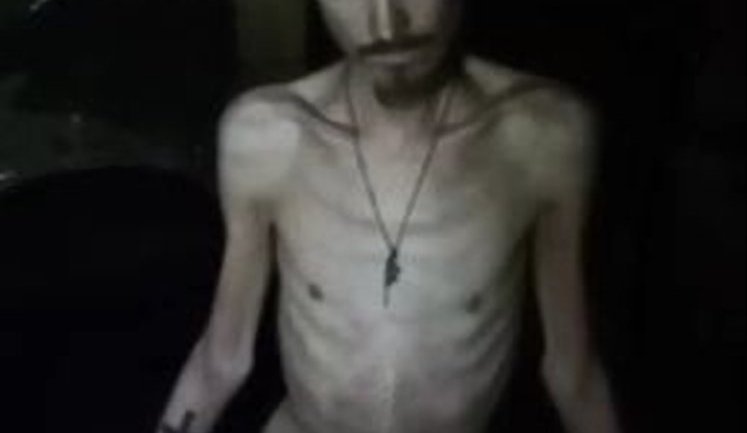
Recent developments have compromised Russian troop effectiveness, with malnutrition cited as a major issue, leaving soldiers in poor condition and impacting morale. Despite being touted as a leading military power, these deficiencies reveal systemic issues and humanitarian challenges within the Russian military framework.