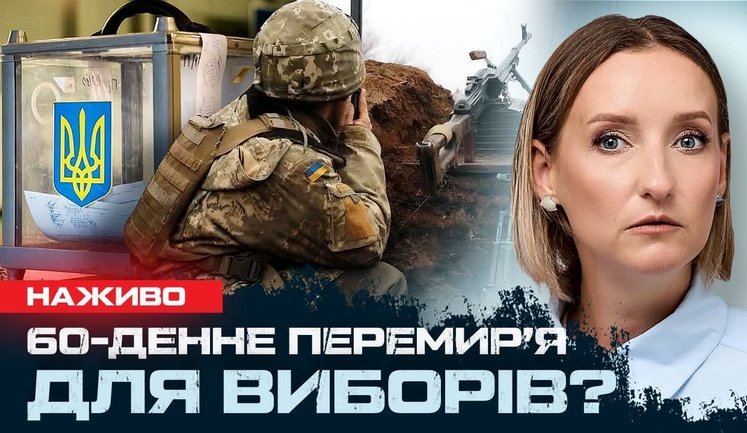
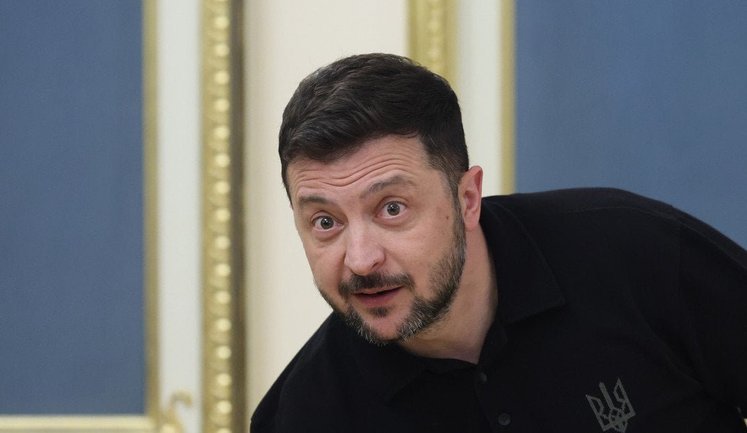
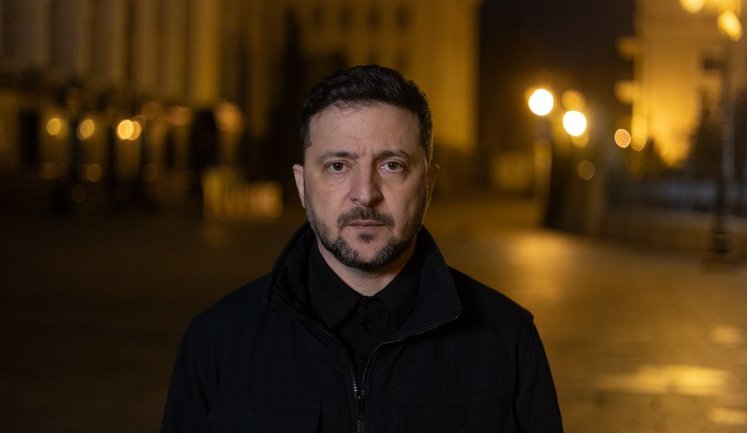
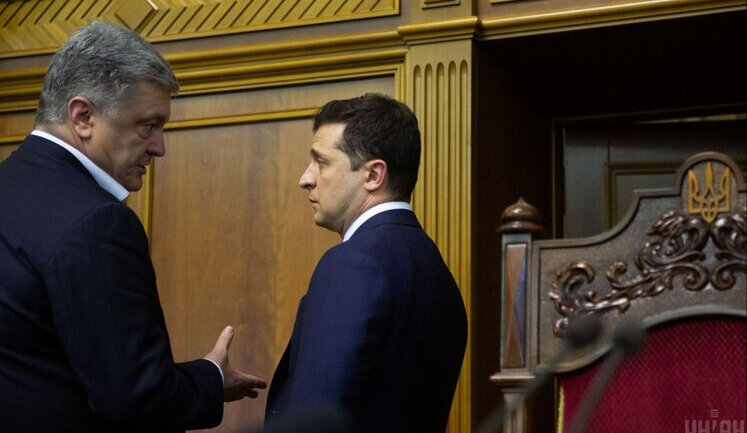
The possibility of holding elections in Ukraine during the ongoing war has sparked significant debate. According to a KIIS poll, 69% of Ukrainians believe elections should occur only after the war's conclusion. President Volodymyr Zelenskyy has not decided on running for a second term, citing the ongoing conflict as a critical factor. The European Commission has emphasized that the decision rests with Ukraine, reaffirming its support throughout the electoral process. Meanwhile, President Zelenskyy underlines the destabilizing effects elections could have if held during the conflict, suggesting readiness only if security conditions are met, with international guarantees in place.
What is the current public opinion in Ukraine about holding elections during the war?
A recent poll by KIIS indicates that 69% of Ukrainians prefer to hold elections only once the war has fully ended. The population is concerned about the instability and risks associated with conducting elections amidst ongoing conflict, reflecting a strong desire for elections to occur post-peace agreement.
What is the European Commission's stance on elections in Ukraine during the war?
The European Commission has stated that the decision to hold elections during the war in Ukraine is ultimately up to Ukraine itself. The EU has expressed its readiness to support Ukraine in organizing elections, ensuring they align with democratic principles and occur under conditions that respect the will of the Ukrainian people.
Has President Zelenskyy made a decision regarding his participation in future elections?
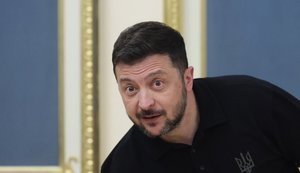
President Volodymyr Zelenskyy has expressed uncertainty about participating in a second term if elections are announced. He has not ruled out the possibility completely but has emphasized that any decision would depend on the prevailing security situation and the sentiments of the Ukrainian populace at the time.
Is there any possibility of elections taking place during an unstable ceasefire in Ukraine?
President Zelenskyy has mentioned the potential scenario of participating in elections during an unstable ceasefire. However, he underscored the need for comprehensive security guarantees from international partners to ensure safe and legitimate electoral processes, reflecting a cautious approach to this possibility amid ongoing tensions.
What impact does Russia's stance have on Ukraine's decision to hold elections during the war?
President Zelenskyy has pointed out that Russia might favor quick elections to destabilize Ukraine and attempt to remove him from power. Such a stance complicates the notion of holding elections during active conflict, adding an external dimension to the domestic considerations and security concerns involved in making this critical decision.
Are there any international perspectives on the idea of online voting during the war in Ukraine?
The idea of online voting during elections has been met with skepticism within Ukraine, with 71% of respondents opposing it due to fraud risks. International perspectives echo concerns for credibility and security, emphasizing that under war conditions, upholding democratic standards without such risks is paramount.
How have international figures reacted to the idea of elections in Ukraine during martial law?
International figures, including leaders from the EU and the US, have generally advised caution regarding elections during martial law due to potential risks and democratic standards. Supporting safe, inclusive elections post-conflict aligns with global democratic principles, underlining the necessity for complete peace and stability.
Is hybrid voting being considered for the upcoming elections in Ukraine during the conflict?
Hybrid voting, combining online and offline methods, is being discussed as a potential approach for conducting elections during the ongoing war. Despite the logistical challenges, this method aims to accommodate voters under unforeseen circumstances, maintaining electoral engagement while ensuring safety and minimizing risks.