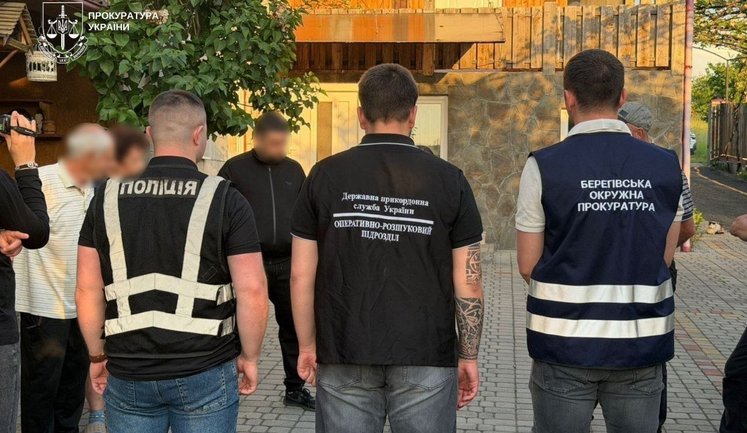
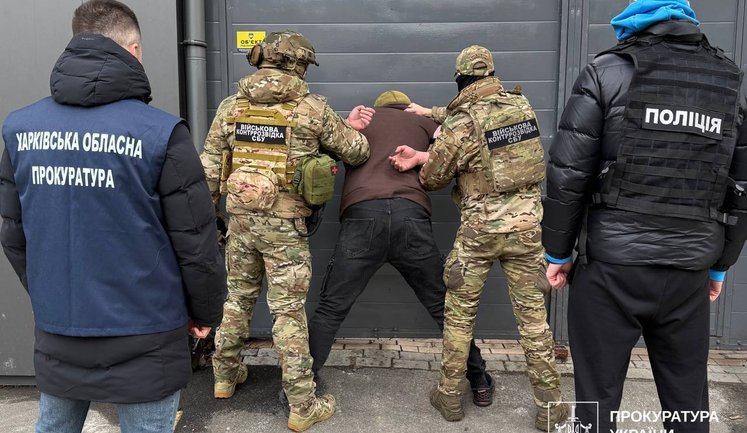
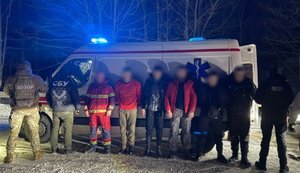
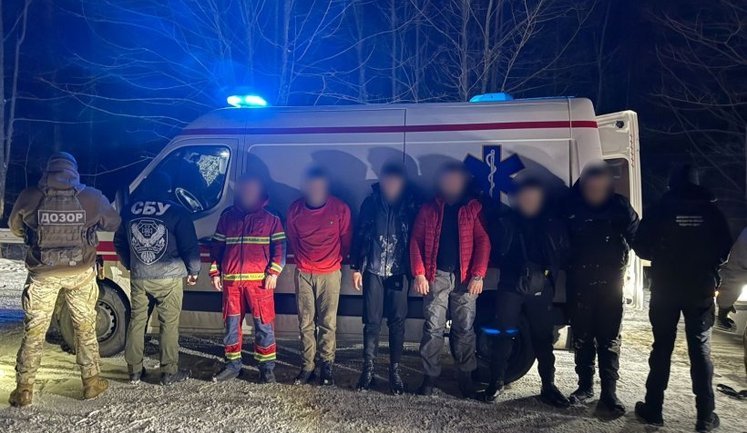
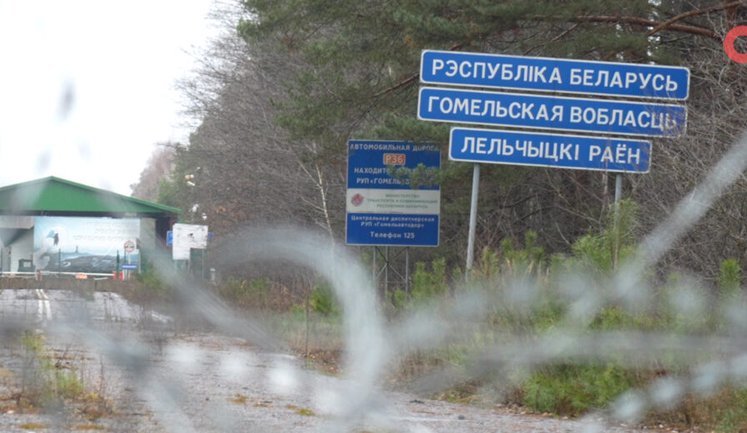
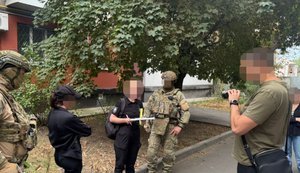
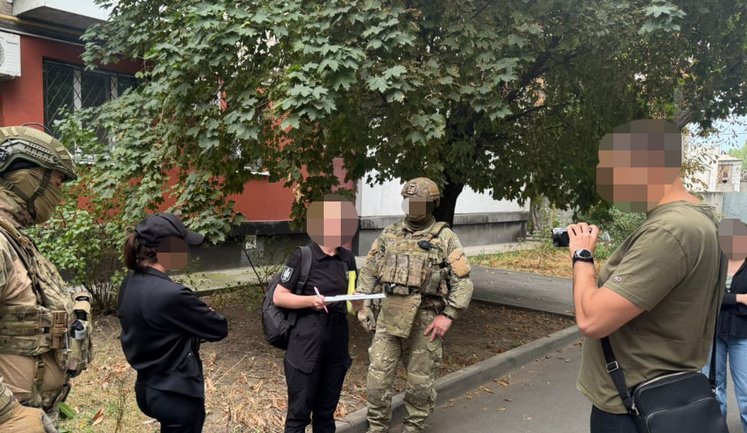
In recent months, authorities in Ukraine have intensified efforts to dismantle networks aiding draft evaders in crossing borders illegally. These smuggling operations, often involving hefty fees, use various methods including climbing barbed-wire fences, underwater crossings in wetsuits, and hidden truck compartments. In Kharkiv, a €20,000 border escape scheme was foiled, resulting in the detention of organizers, including a Russian national. Meanwhile, in Bukovyna, an "ambulance" operation was thwarted as it attempted to transport conscription-age men abroad. Zakarpattia witnessed a collaborative effort by police and prosecutors to break up a $13,000 smuggling channel. As draft dodgers continue seeking passage to Belarus, they face interrogations about military movements. With each bust, authorities are closer to stemming the tide of illegal crossings, yet challenges remain as criminals persistently adapt their strategies, indicating a need for continued vigilance and cross-border cooperation.
What tactics are used by smugglers to transport draft evaders?
Smugglers employ various tactics, such as utilizing hidden compartments in trucks, disguising individuals as volunteers or artists, and even employing safety belts within oil tankers. These schemes often involve sophisticated networks requiring significant fees, showcasing criminals' adaptability in evading border security.
How do authorities uncover these smuggling schemes?
Authorities rely on intelligence operations, collaboration between national and regional police, border guards, and international agencies. Advanced surveillance, informant tips, and regional cooperation play crucial roles in uncovering and dismantling these networks, leading to detentions and legal proceedings against perpetrators.
What legal consequences do perpetrators of these schemes face?
Perpetrators of smuggling schemes face severe legal consequences, including detention, prosecution, and potential prison sentences. High-profile cases involve collaboration between various legal entities and result in significant legal repercussions for the organizers and facilitators within these networks.
Why are draft evaders willing to pay large sums to be smuggled?
Draft evaders are willing to pay significant amounts due to the perceived dangers and personal consequences associated with military conscription during turbulent times. For some, the financial burden is outweighed by the desire to avoid national service, leading them to take risky measures to secure passage abroad.
What impact do these schemes have on border security efforts?
These smuggling schemes present significant challenges to border security, requiring constant adaptation of strategies and resources to counteract the evolving tactics of smugglers. Enhanced training, technology implementation, and international collaboration are crucial in maintaining and strengthening border security against such illicit activities.
How do social and political factors influence illegal border crossing attempts?
Social and political factors, such as conflict, economic instability, and governmental policies, markedly influence attempts at illegal border crossings. These factors often drive individuals to seek undocumented exits, while simultaneously perpetuating illicit trafficking networks exploited by criminal elements.