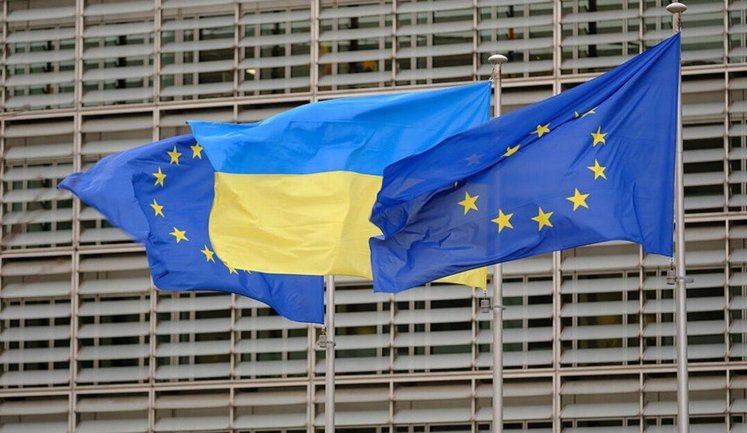
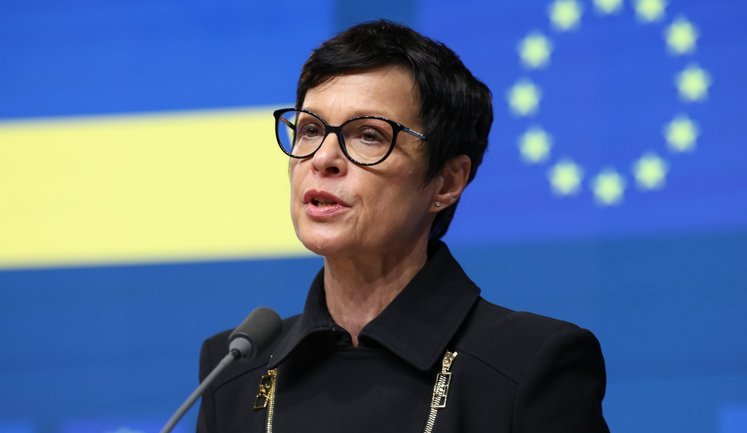
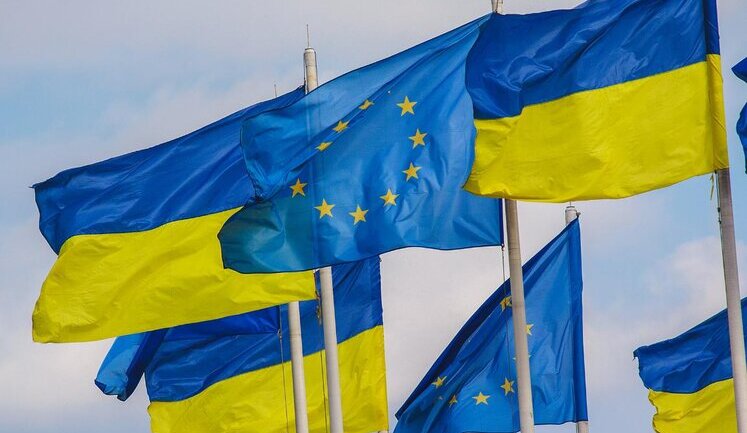
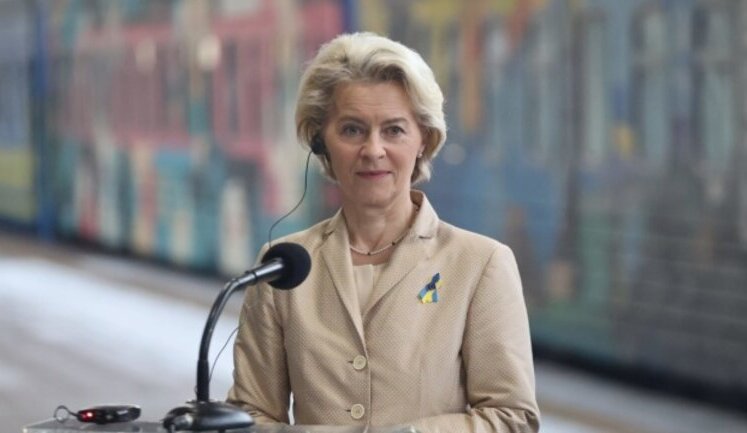
The European Union is set to unveil a new set of security guarantees for Ukraine, reinforcing its ongoing commitment to support the nation amidst Russian aggression. On April 21, 2026, the EU will present its fourth element of security guarantees, a significant step that underscores its dedication to Ukraine's sovereignty and stability in the region. In Kyiv, EU's High Representative Kaja Kallas emphasized the EU's comprehensive support encompassing military, financial, and humanitarian aid, highlighting Europe's role in maintaining geopolitical stability and holding Russia accountable for its destabilizing actions. The EU remains steadfast in its resolve, with substantial financial pledges in the upcoming EU budgets and strategic initiatives aimed at fortifying Ukraine's defense capabilities. The announcement arrives as European leaders continue discussions on diplomatic strategies and innovative approaches to further integrate and assist Ukraine against ongoing threats.
What are the new security guarantees the EU is providing to Ukraine?
The European Union plans to introduce its fourth element of security guarantees for Ukraine on April 21, 2026. While specific details are yet to be disclosed, these guarantees are part of the EU's broader effort to reinforce Ukraine's defense capabilities and ensure its sovereignty amidst ongoing Russian aggression. The initiative builds on prior commitments and is intended to strengthen Ukraine's resilience against external threats.
How is the EU supporting Ukraine in its conflict with Russia?
The European Union is supporting Ukraine through a multifaceted approach that includes military, financial, energy, and humanitarian aid. High Representative Kaja Kallas recently emphasized the importance of holding Russia accountable while maintaining robust support for Ukraine. Additionally, the EU has been actively working on security guarantees and financial assistance packages, such as the proposed 100 billion euros allocation in the EU budget for 2028-2034, to support Ukraine’s recovery and European integration process.
What is the EU's stance on the Arctic security issues compared to the situation in Ukraine?
According to High Representative Kaja Kallas, the European Union acknowledges the importance of security issues in the Arctic region, but considers the challenges posed by Russian aggression in Ukraine as more pressing. The EU remains committed to prioritizing Ukraine's stability and security while maintaining a balanced approach to other geopolitical concerns. This perspective ensures that the EU allocates sufficient resources and policy focus on supporting Ukraine amidst its ongoing conflict.
What major financial commitment has the EU made to Ukraine?
The European Commission has proposed allocating 100 billion euros within the new seven-year EU budget for 2028-2034 to support Ukraine. This financial commitment is intended to aid Ukraine's reform efforts, recovery, and European integration initiatives. The allocation highlights the EU’s long-term strategy to enhance Ukraine's economic stability and resilience, ensuring it remains a vital partner in maintaining European security.
How does the EU view its role in supporting Ukraine's defense against Russian aggression?
The European Union considers Ukraine as Europe’s first line of defense against Russian aggression. High Representative Kaja Kallas stated that the EU must maintain continuous support for Ukraine to ensure its security and stability. This involves a combination of strengthening defense capabilities, providing financial assistance, and fostering diplomatic efforts to counteract hostile actions by Russia. The EU's role is seen as critical in sustaining Ukraine's sovereignty and contributing to regional peace.
How does the EU plan to counteract potential reductions in US support for Ukraine?
In the face of potential reductions in US aid, European leaders have highlighted the need for the EU to unite all possible means to compensate for such gaps. French Prime Minister Francois Bayrou emphasized that Europe needs to mobilize collective resources to ensure continuous support for Ukraine. This strategy reflects a proactive stance to reinforce EU-Ukraine ties and mitigate any adversities resulting from changes in transatlantic support dynamics.
What steps are being taken by the EU to ensure Ukraine's energy security?
The EU has implemented a "winter assistance" program to help Ukraine cope with energy challenges, such as those faced during the recent blackouts in the Chernihiv region. The initiative includes coordinated efforts to provide energy resources and infrastructure support, ensuring Ukraine remains resilient against disruptions caused by ongoing conflicts. This program is part of broader measures aimed at securing Ukraine’s energy independence and stability in the face of adversities.