



Largest tank battle in war: In three weeks of fighting near Vuhledar, Armed Forces of Ukraine destroyed at least 130 tanks and armored personnel carriers of Russian army, - NYT
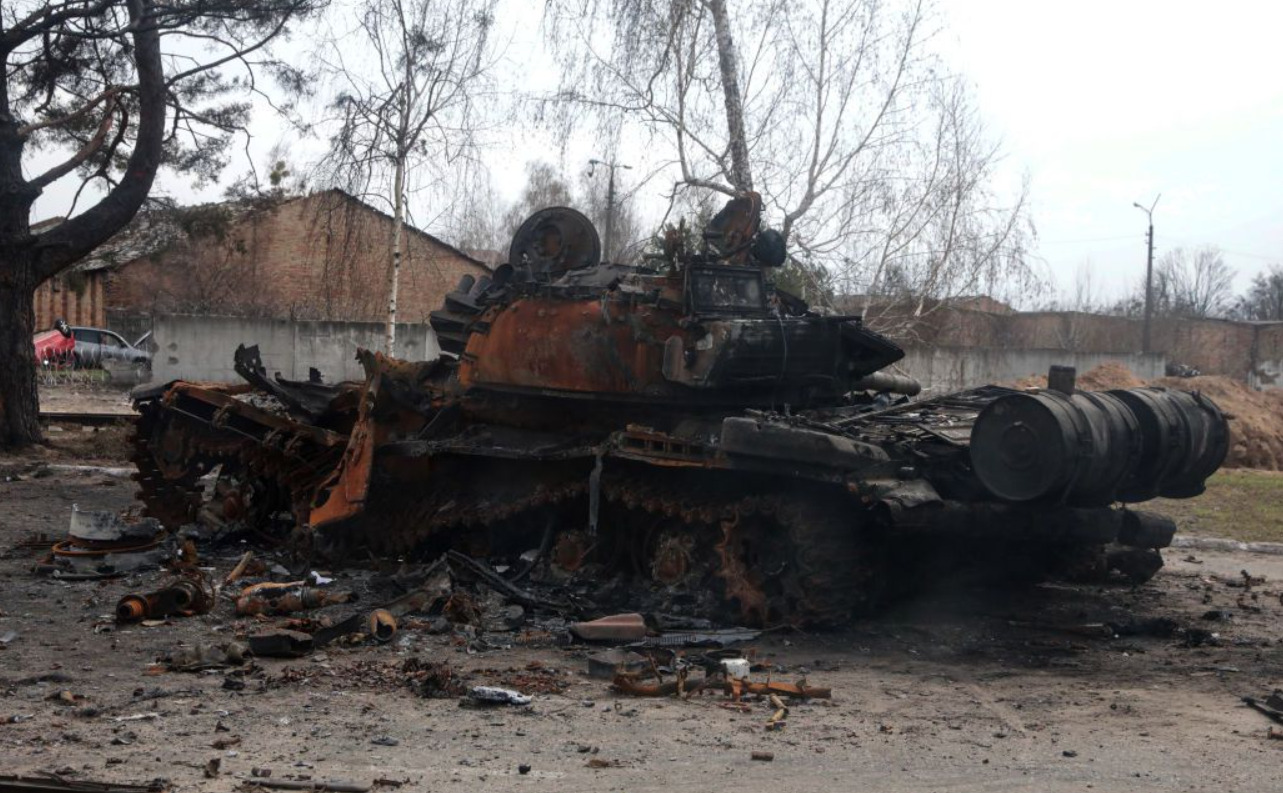
During the three weeks of fighting near Vuhledar in Donetsk region, Ukrainian defenders destroyed more than a hundred units of heavy equipment of the Russian occupiers.
This is stated in the New York Times article, Censor.NET reports.
According to Ukrainian officials, the three-week fighting near Vugledar is the largest tank battle between Ukraine and Russia.
The article notes that the Russians tried to advance in columns, while the Ukrainian defenders fired from a distance or from hiding places.\
"When it was all over, Russia not only failed to capture Vuhledar, but also made the same mistake that cost Moscow hundreds of tanks at the beginning of the war," the newspaper writes.
"Blown up by mines, hit by artillery or destroyed by anti-tank missiles, the charred hulls of Russian armored vehicles now dot fields across Ugledar, according to Ukrainian drone footage. The Ukrainian military said Russia lost at least 130 tanks and armored personnel carriers in the battle," the authors of the material added.
One of the Ukrainian sergeants stated: "We studied the roads they used, then hid and waited to shoot from an ambush."
According to the NYT, it was the Russians' lack of experience that hurt them.
"Many of their most elite units have been decimated from previous fighting. They have been replaced by newly recruited soldiers untrained in Ukrainian convoy ambush tactics. One sign that Russia is short of experienced tank commanders is that Ukrainian soldiers said they captured a medic, who was reassigned to command the tank," the newspaper writes.
Russian Telegram channels write that "relatives of the victims are determined almost to murder and take revenge on the general" who led the assaults near Vuhledar.
The NYT notes that in about three weeks of tank combat, repeated assaults by Russian armored vehicles failed.
"In one instance, Ukrainian command triggered a strike with HIMARS guided missiles; these are typically used against stationary targets such as ammunition depots or barracks, but also proved effective against a stationary tank column. The Ukrainians also fired US M777 howitzers and French Caesar howitzers, as well other Western weapons, such as "Javelin", the material says.
Journalists note that ambushes have been a characteristic tactic of Ukraine against Russian armored convoys since the first days of the war.
"Working from a bunker in Vuhledar, Lt. Bayak spotted the first column of about 15 tanks and armored personnel carriers approaching on a drone video.
"We were ready," he said. "We knew something like this would happen."
Anti-tank groups in landings, armed with American Javelin missiles with infrared guidance and Ukrainian Stugna-P with laser guidance, activated the weapons. Then the artillery batteries were ready. The dirt road was clear of mines, but all the fields around were sown with them to encourage the Russians to move forward only on the road and prevent the tanks from turning around as soon as the trap closes," the authors say.
According to Lieutenant Bayak, the tank column becomes the most vulnerable after the shooting starts and panicked drivers try to turn around - driving onto a mined roadside. Exploded vehicles then become an obstacle, slowing or stopping the convoy. At this moment, the Ukrainian artillery opens fire, knocking out new units of armored vehicles and destroying the occupants who got out of the cars. According to the lieutenant, there is chaos and explosions.


