ENG




10138 visitors online
Vuhledar, located in the Volnovaskyy district of Donetska region, Ukraine, has become a focal point in the ongoing Ukraine conflict. It has endured intense battles and significant military operations, notably involving the 72nd Separate Mechanized Brigade. The withdrawal of Ukrainian forces from Vuhledar in 2024 marked a strategic shift, with implications for defense strategies in the region. The city's strategic position made it a crucial determinant in military advances and withdrawals, affecting nearby areas like Velyka Novosilka. Civilian casualties and humanitarian impacts have also been profound, with stories of war heroism and sacrifice emerging amid the turmoil. As the situation evolves, the significance of Vuhledar within the wider conflict continues to be a critical topic of analysis and discussion.
Why is Vuhledar significant in the Ukraine conflict?
Vuhledar serves as a strategic stronghold in the Donetska region, playing a critical role in Ukraine's defensive operations. Its geography provides tactical advantages, such as dominant heights for military operations. However, its strategic importance has also made it a target for Russian forces, leading to fierce battles and significant military and civilian casualties.
What triggered the Ukrainian withdrawal from Vuhledar?
The withdrawal from Vuhledar was primarily due to tactical encirclement threats and overwhelming enemy forces. President Volodymyr Zelenskyy and military leaders deemed it necessary to minimize losses and regroup strategically. The decision was also influenced by the need to prevent encirclement and capture by well-equipped Russian forces.
How have local civilians been affected by the conflict in Vuhledar?
The conflict in Vuhledar has led to substantial civilian suffering, including deaths, displacement, and disruptions. Many civilians were caught in crossfires or fell victim to indiscriminate shelling and airstrikes. Reports highlight civilians sheltering in makeshift refuges and facing dire humanitarian conditions amid ongoing hostilities.
What is the role of the 72nd Separate Mechanized Brigade in Vuhledar?
The 72nd Separate Mechanized Brigade, known as the Black Zaporizhians, has played a pivotal role in the defense of Vuhledar. Their operational involvement included fierce defensive battles against Russian advances and strategic withdrawals to preserve Ukrainian military strength. The brigade’s efforts have been crucial in deterring enemy progress.
What are the consequences of Vuhledar’s loss for Ukraine's military strategy?
The loss of Vuhledar has strategic implications for Ukraine, including the vulnerability of eastern flanks like Velyka Novosilka. This shift necessitated adjustments in defense planning and resource allocation. While the immediate area was lost, the decision aimed to fortify defenses elsewhere and reassess future military engagements against Russian forces.
How has the Vuhledar conflict impacted Russian military forces?
The conflict in Vuhledar resulted in significant Russian casualties, particularly among elite units, exceeding losses seen in previous conflicts like Chechnya. The protracted battles around Vuhledar drained resources and personnel, marking some of the deadliest engagements for Russian forces and illustrating the fierce Ukrainian resistance.
What is the humanitarian situation in Vuhledar as of 2025?
As of 2025, the humanitarian situation in Vuhledar remains dire, with ongoing reports of civilian casualties, destruction of infrastructure, and inadequate access to essential services. The continuous conflict has led to a displacement crisis, with numerous residents seeking refuge in safer areas amidst unstable conditions.
What strategic advantages does Vuhledar offer in military terms?
Vuhledar's geographic positioning on elevated terrain provides significant strategic advantages, allowing control over surveillance and artillery range, enhancing defensive capabilities. Its location enables effective oversight and fortification against advancing forces, making it a key military asset in controlling the surrounding areas in the Donbas region.
News Vuhledar, Volnovaskyy district, Donetska region
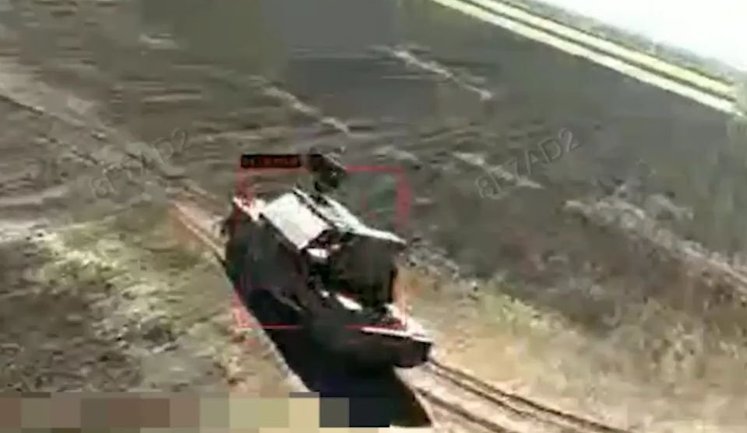
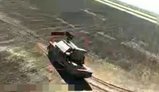 Spartan Brigade fighters strike $25 million Tor-M1 SAM system near Vuhledar. VIDEO Footage has been published online showing a precision strike on the occupiers’ expensive air defence equipment deep behind the front line. 1 914 4 Previously in trend: Destruction of Russian equipment
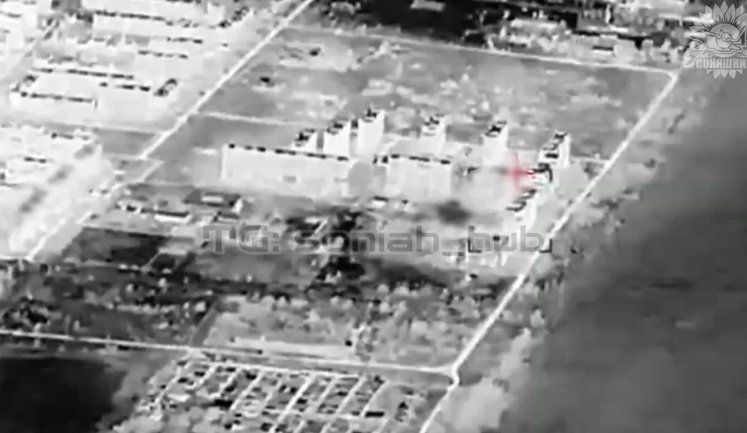
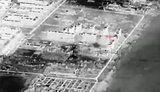 Su-27 fighter pilots strike warehouse and workshop of Russian UAV operators in Vuhledar. VIDEO Ukrainian aircraft flying Su-27 fighter jets struck an enemy warehouse and the occupiers’ UAV workshop in Vuhledar. 3 382 4 Previously in trend: Elimination of Russian occupying forces Destruction of Russian drones
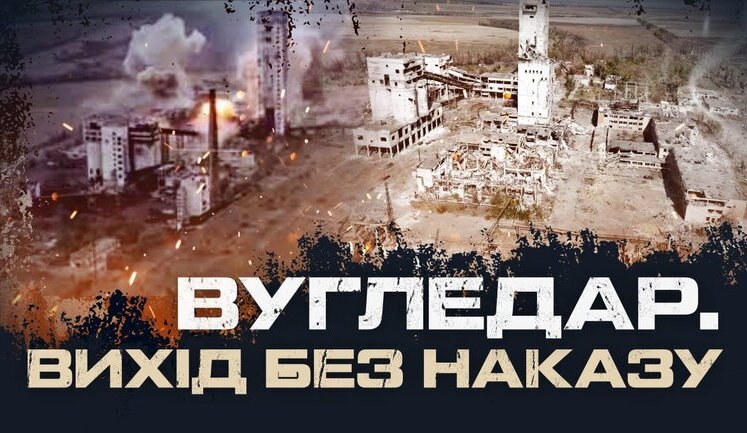
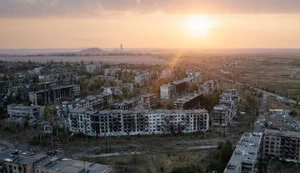
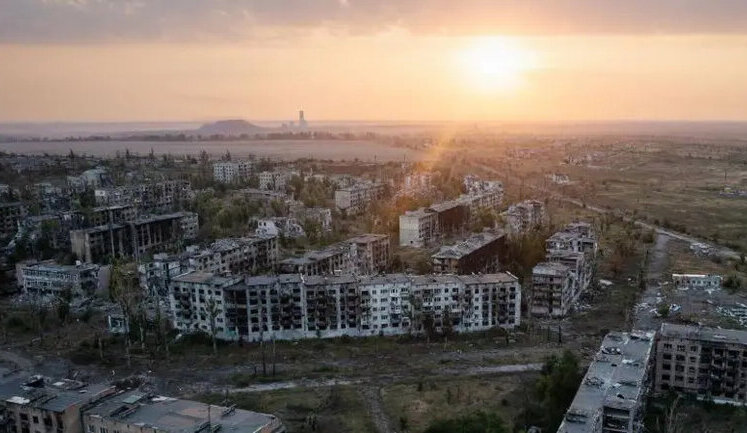
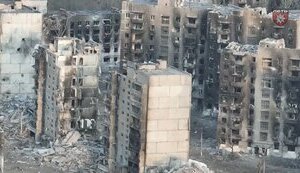
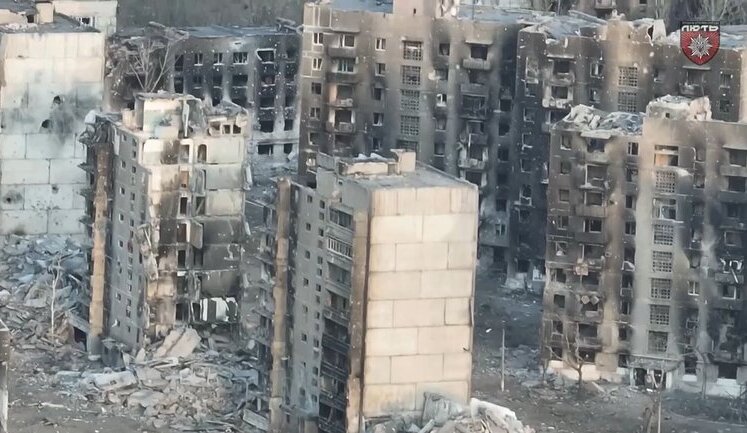
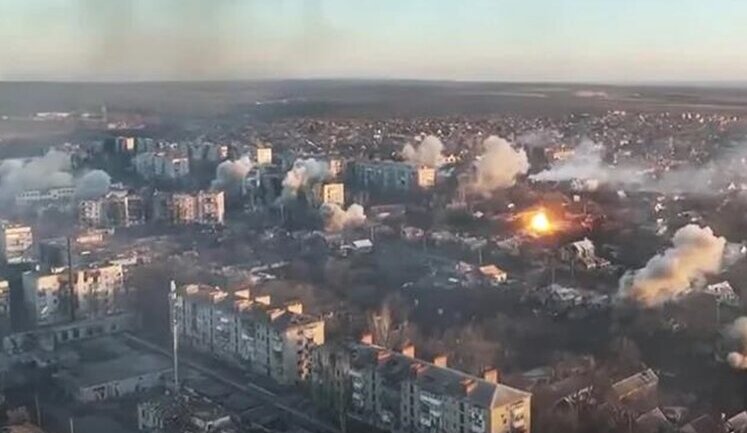
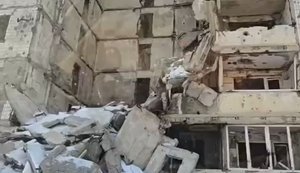
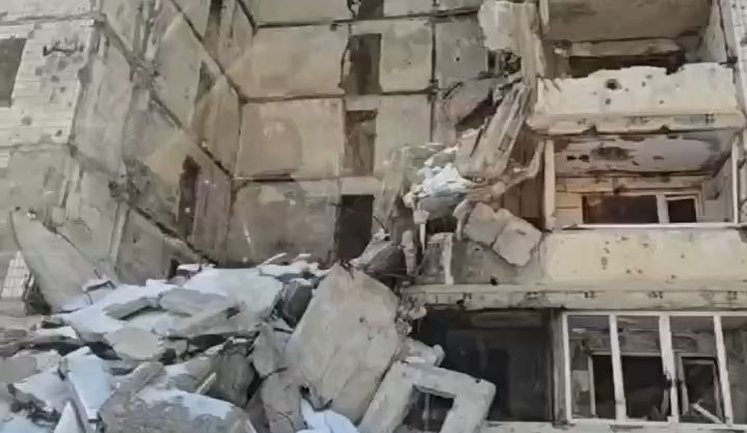
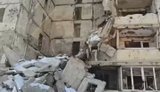 Destroyed Vuhledar: about 20 people remain living among ruins of city. VIDEO A video from Vuhledar in the Donetsk region has appeared on social media, showing the city after prolonged fighting and Russian occupation. 5 628 16
 72nd SMB soldier went to war after Russian bomb killed his family in Mariupol: "My nephews were 14, 12 and 6 years old". VIDEO Valentyn Dolhosheienko, now a serviceman of the 72nd Separate Mechanized Brigade (SMB) "Black Zaporizhians," was in Kyiv at the start of Russia’s full-scale invasion, having come from Mariupol for work. His family — his sister and her three children — remained at home. During the siege of the... 3 756 4 Previously in trend: Situation at front
 Vuhledar: causes and consequences of loss. Documentary film by Iryna Storozhenko. VIDEO On 2 October 2024, the Khortytsia Operational and Strategic Group announced the withdrawal of Ukrainian forces from Vuhledar, a city that had remained one of the symbols of steadfastness in southwestern Donbas for more than two years. It was here, at a dominant height, that the 72nd Separate... 5 384 8 Previously in trend: Situation at front
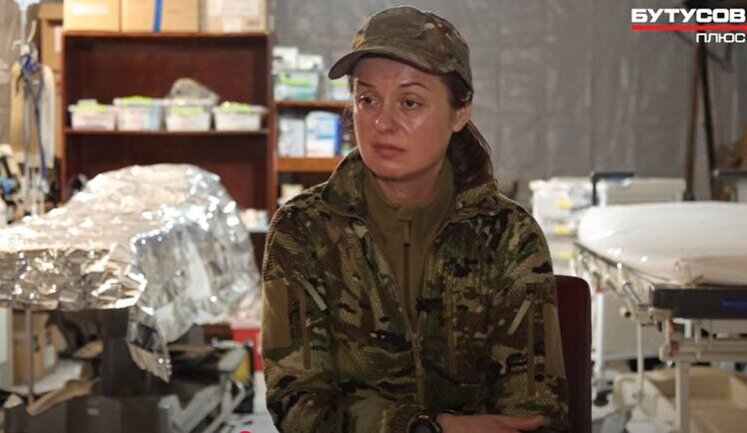
 Last days of defense of Vuhledar: "Wounded were jumping in on move ". VIDEO After 28 years in law enforcement, she had risen to the rank of lieutenant colonel. Leaving her position as an SBI investigator, she went to the military enlistment office, concealed her rank and job title, and volunteered for a combat brigade — as a medic. For over two years, Lyubov Zalivadna... 11 469 9 Previously in trend: Battles in the east of Ukraine
 After Ukraine’s loss of Vuhledar, Russian army rapidly advanced to eastern flank of Velyka Novosilka - British intelligence Velyka Novosilka in the Donetsk region has become vulnerable to Russian attacks due to the loss of Vuhledar, 30 km to the east, in early October 2024. 6 900 13
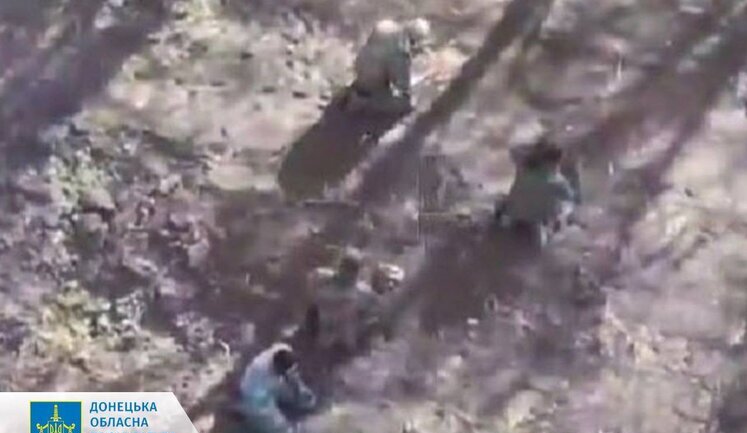
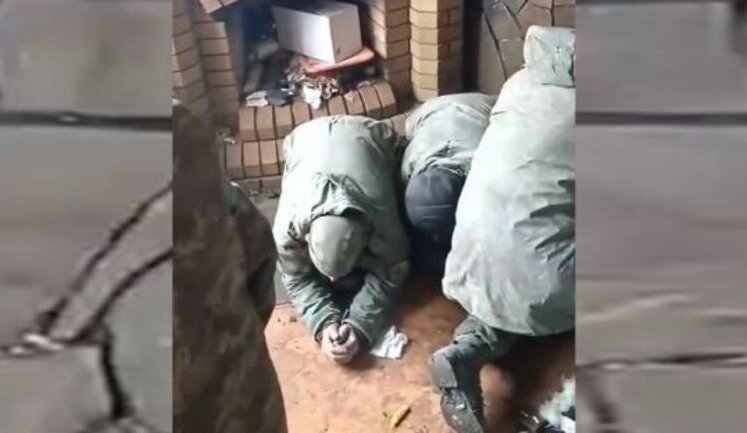
 Ruscists shot 5 unarmed captives of AFU near Vuhledar - Prosecutor General’s Office. PHOTO Russian invaders captured five unarmed Ukrainian soldiers near Vuhledar, Donetsk region, who were later shot dead. 14 090 38 Previously in trend: War
 Russia intensifies offensive operations in eastern Ukraine - British intelligence The Avdiivka-Pokrovsk sector in eastern Ukraine is likely to remain the main focus of Russia's efforts, with hostile operations intensifying over the past week. It is likely that the Russians are preparing for an offensive on Pokrovsk. 2 224 13
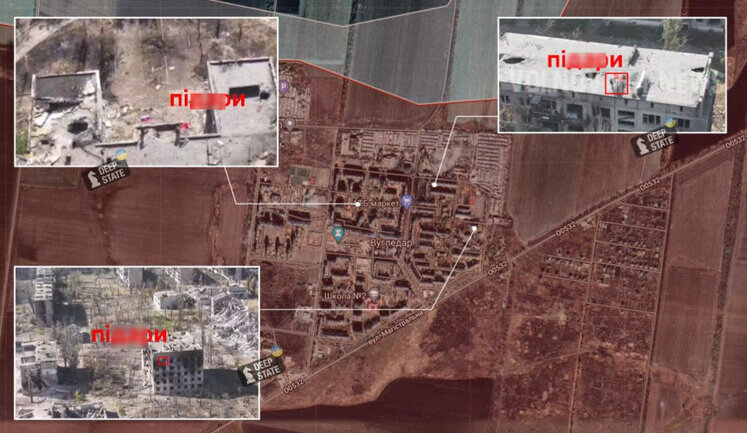
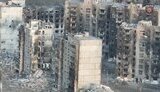 Enemy advances near Vuhledar, in Tsukuryne and Toretsk - DeepState. MAP The Russian army managed to advance near Vuhledar and in Toretsk, Donetsk region. 4 089 15 Previously in trend: Russian aggression against Ukraine War
 Brigadier Okhrimenko of 72nd SMB on withdrawal from Vuhledar: City was in tactical encirclement. Enemy forces outnumbered us nine to one By the end of September, the situation in southern Donbas had changed so much that holding Vuhledar was no longer important. The ratio of equipment and personnel was almost 1:9 in favor of the enemy. 4 921 32
 In year of fighting near Vuhledar, Russia has lost more elite soldiers than in 10 years in Chechnya - BBC The elite units of the Russian marines suffered losses during the year of fighting near Vuhledar that are four times higher than their losses during the ten years of war in Chechnya. There are more than 200 people killed alone. 5 035 29 Previously in trend: War
 After Bezuhla’s post, enemy send three times more forces to Vuhledar - OSINT analyst The decisive factor in the loss of Vuhledar was the media activity of Ukrainian People's Deputy Mariana Bezuhla. A few hours after her post about the rotation of the 72nd Brigade, the enemy sent three times the number of troops to the weakened positions. 27 711 144 Previously in trend: War
 Zelenskyy on withdrawal of AFU from Vuhledar: Right step to save lives President Volodymyr Zelenskyy said that the withdrawal from Vuhledar in the Donetsk region was the right step. 9 581 105 Previously in trend: War
 Russian invaders will not be able to storm Pokrovsk after capture of Vuhledar - Times To capture Pokrovsk, the occupiers will have to maneuver through an open area that is constantly under fire. Therefore, Russian assaults on Pokrovsk in the near future are very unlikely, but the pressure on the Donetsk region will increase. 9 462 35
72nd SMB on withdrawal from Vuhledar: It would be critically difficult to hold city further. VIDEO The withdrawal from Vuhledar in the Donetsk region made it possible to minimize the losses of the Defense Forces. 11 280 38 Previously in trend: War
 Vuhledar. Execution of POWs | Yurii Butusov. VIDEO Yurii Butusov, Editor-in-Chief of Censor.NET, talks live about the situation at the front and the consequences of the loss of the town of Vuhledar in the Donetsk region. 14 905 56 Previously in trend: War
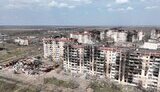 Command gave permission for withdrawal of our units from Vuhledar due to threat of encirclement - OSGT "Khortytsia" The Defense Forces officially confirmed the withdrawal of Ukrainian troops from Vuhledar in the Donetsk region. 14 449 69 Previously in trend: War
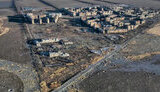 Enemy occupied Vuhledar and took control of Obukhovka in Kursk region - DeepState. MAPS Russian troops occupied Vuhledar in the Donetsk region and Obukhovka in the Kursk region. 21 062 45 Previously in trend: War
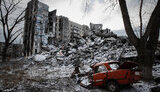 72nd Brigade of AFU denies complete capture of Vuhledar by occupiers - media Russian troops did not fully capture the city of Vuhledar in Donetsk region. 12 994 76 Previously in trend: War
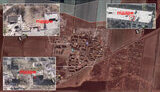 Russians occupied Vuhledar - DeepState Analysts of the DeepState project report that Russian troops have captured Vuhledar. 36 022 228 Previously in trend: Russian aggression against Ukraine War
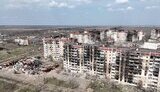 Russian invaders are almost in center of Vuhledar - RMA Active street battles are taking place almost in the center of Vuhledar. 7 391 68
Russian troops advance near Bohoyavlenka, Tsukuryne and in Vuhledar - DeepState. MAPS As of 1 October 2024, Russian troops were observed advancing near three settlements in the Donetsk region. 6 561 27 Previously in trend: War
Russians entered Vuhledar from west and south - DeepState. MAP DeepState analysts say the Russian army managed to enter Vuhledar from the west and south. 20 728 36 Previously in trend: War
 Vuhledar, Kupiansk, Hirnyk | Yurii Butusov. VIDEO Yurii Butusov, Editor-in-Chief of Censor.NET, talks live about the current situation at the front and the defense of the cities of Vuhledar, Kupiansk and Hirnyk. 3 489 1 Previously in trend: War
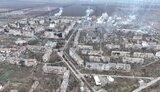 Battles for Vuhledar became one of bloodiest for Russia in entire war - Forbes The Russians may finally capture Vuhledar. But it will cost them thousands of military lives and a significant loss of military equipment. 9 224 28 Previously in trend: War
Occupiers continue to advance near Vuhledar - DeepStat. MAP Analysts of the DeepState project have updated the map of hostilities in the Donetsk region and reported on the Russian advance. 7 712 20 Previously in trend: War
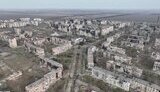 Situation near Vuhledar is complicated, there is threat of encirclement of Defense Forces in city - DeepState Russian troops approached Vuhledar in the Donetsk region from the southwest. Fighting is currently underway on the outskirts of the city. 5 164 11 Previously in trend: War
 72nd SMB remains in Vuhledar, has not left city - statement of brigade. VIDEO The soldiers of the 72nd separate mechanised brigade said they did not leave Vuhledar in Donetsk region. 6 200 12 Previously in trend: War
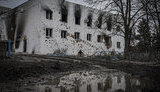 Enemy tries to surround Vuhledar, about 100 civilians remain in city - RMA About 100 civilian Ukrainians remain in the town of Vuhledar, Donetsk region, near where the fighting continues. They refuse to be evacuated. 1 993 10 Previously in trend: War
AFU will withdraw from Vuhedar if there is no opportunity to maintain defense in urban area - Ground Forces Currently, Vuhledar of the Donetsk region is not under operational encirclement, but the Russian invaders are making some advances. 3 995 28 Previously in trend: War
Enemy wants to surround Vuhledar and level it to ground. Situation is critical - DeepState. VIDEO The situation around Vuhledar in Donetsk Oblast is critical and is continuing to deteriorate. 17 098 104
 72nd Mechanised Brigade may be surrounded near Vuhledar - Forbes The Russian occupation forces may cut off the 72nd separate mechanised brigade of the Armed Forces of Ukraine, which has been defending Vuhledar in Donetsk region for 20 months. 11 539 35
 Soldiers of 72nd SMB show results of their work in August in Vuhledar direction. VIDEO Results of the work of the soldiers of the 72nd Separate Mechanised Brigade of the Black Zaporizhzhia Armed Forces of Ukraine in the Vuhledar direction. 3 695 1 Previously in trend: War
Russians continue advancing near Vuhledar: enemy captures Vodiane - DeepState. MAP The enemy occupied the village of Vodiane in Donetsk Oblast. 11 409 17 Previously in trend: Russian aggression against Ukraine War
 Occupants continue to advance near Vuhledar and Toretsk - DeepState. MAP Russian troops continue to advance in the Donetsk region. 9 623 25
 Russians occupied village of Prechystivka near Vuhledar - DeepState. MAP The enemy occupied the village of Prechystivka in the Donetsk region. 7 158 15
 Occupants resume attacks to outflank Vuhledar - DeepState. MAP DeepState project analysts report that the occupiers have resumed attacks to support attempts to outflank the city of Vuhledar in Donetsk region. 4 812 28 Previously in trend: Russian aggression against Ukraine War
Syrskyi withdraws 72nd brigade from Vuhledar, it will be disaster - "servant of people" Bezuhla A member of the Verkhovna Rada Committee on National Security, Defense and Intelligence, "Servant of the People" Mariana Bezuhla, said that the head of the Armed Forces of Ukraine, Oleksandr Syrskyi, is withdrawing the experienced 72nd Separate Mechanized Brigade from Vuhledar. 29 803 167 Previously in trend: War
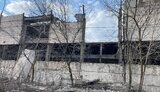 Russians advance near Vuhledar - DeepState. MAP DeepState analysts have updated the map of hostilities and reported on the advance of Russian troops near Vuhledar in Donetsk region. 12 148 31 Previously in trend: War
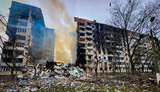 Russian army is trying to surround Vuhledar - DeepState. MAP The Russians are trying to attack Vuhledar in Donetsk Oblast from the flanks. 11 288 25 Previously in trend: War
 Ukrainian defenders replenished exchange fund under Vuhledar with five occupiers. VIDEO In the course of counter-offensive actions, the Ukrainian Defence Forces continue to replenish the exchange fund. Thus, our soldiers captured 5 Russian invaders near Vuhledar. 11 888 21 Previously in trend: War
 AFU soldier about successful assault near Vuhledar: "Shouted, ’Give up, br#keback,’ they said: "Russians do not surrender," - and engagement began". VIDEO The soldiers of the 425th Separate Assault Battalion "Skala" told how they managed to capture 8 occupies and eliminate 2 more during the assault. 16 382 28 Previously in trend: War
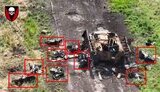 Enemy vehicles destroyed on "Road of Fury" near Vuhledar. VIDEO Soldiers of the 72nd Brigade named after the Black Cossacks filmed fragments of battles and destroyed enemy equipment on the "Road of Fury" near Vuhledar. 15 546 11 Previously in trend: War
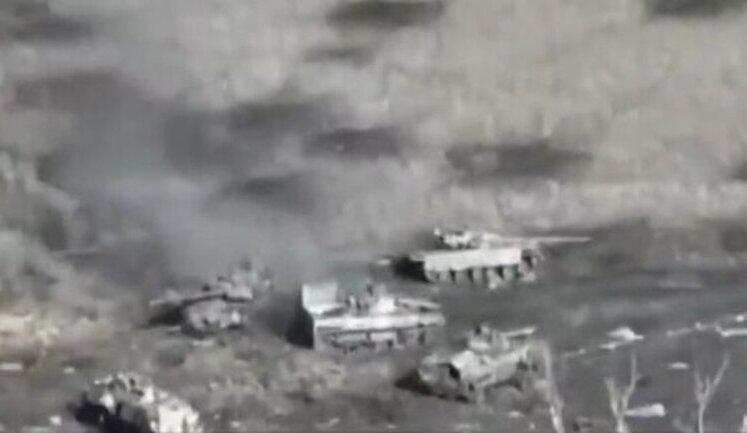
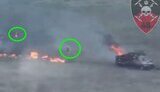 Two occupiers under fire run through field after defeat of enemy armoured group in Vuhledar direction. VIDEO Ukrainian troops destroyed a convoy of enemy armoured vehicles in the Vuhledar direction. 14 388 90 Previously in trend: War
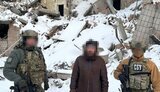 Agent of GRU of Russian Federation who guided Russian S-300s to positions of AFU near Vuhledar was detained - SSU. PHOTO The SSU detained another Russian military intelligence agent who was adjusting enemy attacks on the Ukrainian Armed Forces in the Donetsk region. 4 323 9
 Battle for Vuhledar: defeat of "Alga" battalion of 72nd brigade of Russian Armed Forces. VIDEO Spectacular footage of the battle for Vuhledar in February 2023 went viral: a Russian armoured personnel carrier with the inscription "Dracula" on its armour fled the battlefield, leading its own soldiers on a tangled path. At that time, the strike group of the 1st Alga motorised rifle battalion of the 72nd Brigade of the Russian Armed Forces tried to break through Ukrainian positions, but soldiers from the 52nd Separate Rifle Battalion from Ivano-Frankivsk stood in their way. 17 745 26 Previously in trend: War
 Destruction of enemy self-propelled artillery units (SAU) "Pion" and SAU 2S1 "Gvozdika" in Vuhledar direction. VIDEO The soldiers of the 72nd Brigade named after Chorni Zaporizhtsi destroyed enemy Pion and 2S1 Gvozdika UAVs in the Vuhledar direction using kamikaze drones. 9 876 11 Previously in trend: War
Page 1 of 2
more news