



European Union confirms presence of several thousand DPRK troops on territory of RF: gross violation of UN Charter
The European Intelligence Center has confirmed the presence of several thousand North Korean troops in Russia.
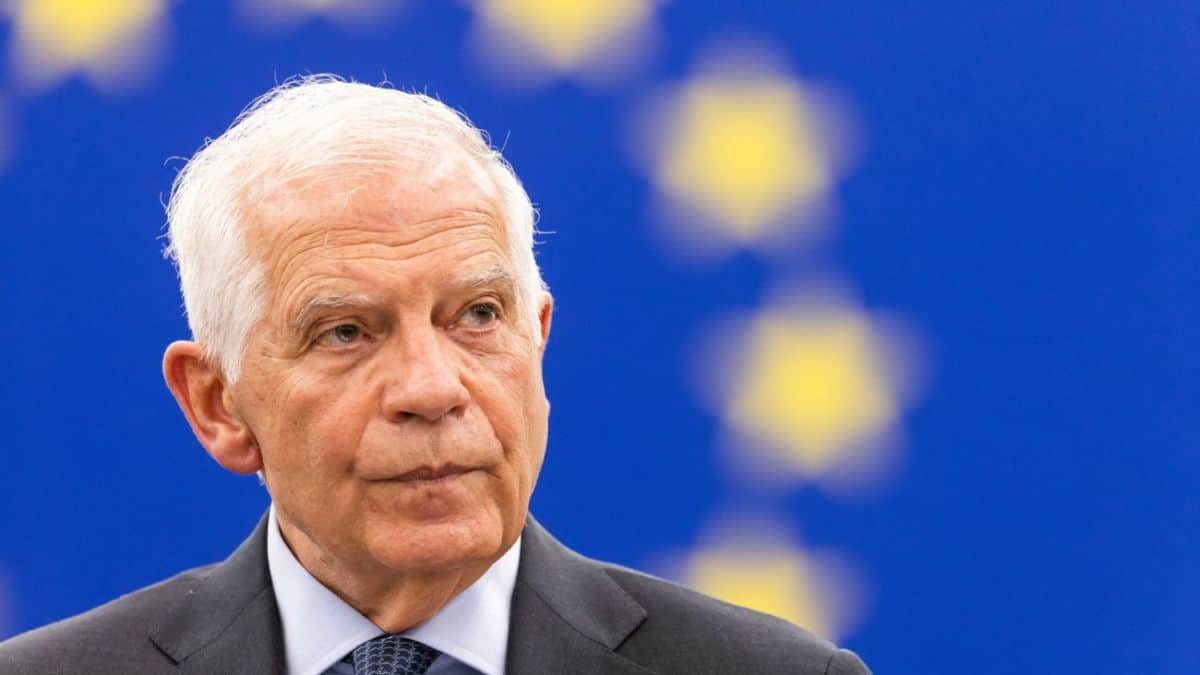
This is stated in a statement by the High Representative of the European Union for Foreign Affairs and Security Policy, Josep Borrell, Censor.NET reports.
"The DPRK provides weapons and ammunition to Russia to support its war of aggression against Ukraine. The presence of several thousand troops cooperating with the Russian military is a flagrant violation of the UN Charter and many UN Security Council resolutions. This is a unilateral hostile act of the DPRK with serious consequences for European and global peace and security," the EU's top diplomat said in a statement.
He called on the DPRK to stop supporting Russia's military efforts. Borrell added that North Korea's continued military support for Russia's war of aggression against Ukraine will be met with a corresponding response.
He also said that the European Union is coordinating with international partners on this issue, including on the response.
Participation of DPRK troops in Russia's war against Ukraine
Earlier, NATO Secretary General Mark Rutte confirmed Russia's involvement of North Korean soldiers in the war against Ukraine.
On October 25, President Volodymyr Zelenskyy said that, according to intelligence, the first North Korean military would be used by Russia in combat zones on October 27-28.
On October 28, the Pentagon said that the DPRK had sent about 10,000 of its military to Russia for training and further participation in hostilities against Ukraine, which would take place over the next "few weeks."
The Pentagon said that Ukrainian troops could use the American weapons provided to them against the North Korean military if the DPRK enters the war against Ukraine on the side of Russia.
Pentagon spokesman Pat Ryder said that approximately several thousand North Korean soldiers are moving towards the Kursk region of Russia. A smaller number of them are already in the Kursk region.


