



EU plans to urgently freeze Russian assets to bypass Hungary’s veto, - FT
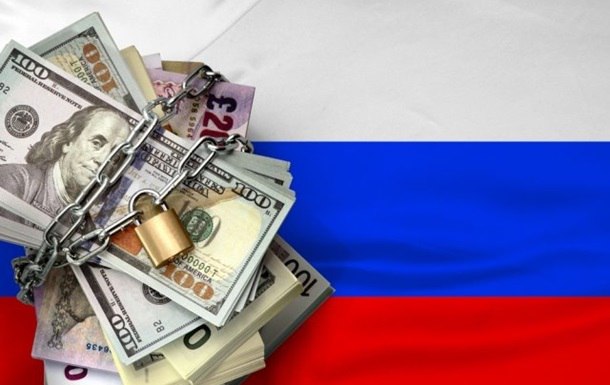
The EU is preparing to urgently adopt a special law that will allow Russian assets to be frozen indefinitely and circumvent a possible veto by Viktor Orbán. This decision should ensure the stability of the sanctions regime and support the West's plans to finance Ukraine.
According to Censor.NET, citing "European Truth," this information was reported by the Financial Times.
According to officials familiar with the plans, the rush to pass legislation that would allow the use of emergency powers to override a national veto on extending sanctions is aimed at protecting Brussels' influence in the US-led peace talks on the war in Ukraine.
Diplomats involved in this legislation see an advantage in quickly separating the controversial issue of asset freezing from the discussion of providing Kyiv with a loan using Russian assets in the coming days.
At the same time, the publication notes that Hungary and other EU countries are likely to be dissatisfied with such a decision.
Last week, the European Commission proposed using €210 billion of Russia's foreign assets to finance a loan to Kyiv, initially amounting to €90 billion, to be paid out over the next two years.
For the lending scheme to work, assets must be frozen indefinitely, rather than for six-month periods, which can only be extended with the unanimous consent of all 27 EU countries.
Hungary opposes any further aid to Kyiv and regularly threatens to veto the extension of sanctions.
EU officials fear that Orbán will carry out his threat if Donald Trump's administration decides to unilaterally lift US sanctions against Russia.
To circumvent the risk of sanctions being lifted, the European Commission has proposed using emergency powers, which are used to combat economic crises, to impose sanctions on assets for an indefinite period. Adopted in accordance with Article 122 of the EU treaties, it can be approved by a majority of EU countries, allowing potential vetoes to be circumvented.
EU leaders are expected to agree on the use of frozen Russian assets for a "reparations loan" to Ukraine at the summit on December 18-19.
What is known about the "reparations loan" for Ukraine
- We would like to remind you that at a meeting in October, EU leaders postponed a decision on the use of frozen Russian assets as collateral for a so-called "reparations loan" for Ukraine in the amount of €140 billion ($163 billion). EU leaders plan to return to discussing this issue at a meeting on December 18-19.
- Belgium, where the lion's share of these funds is held, opposed the European Commission's proposed plan to use frozen Russian assets at a meeting of EU leaders. The country fears legal and financial sanctions from Moscow and wants other EU countries to share these risks.
- Earlier, European Commission President Ursula von der Leyen proposed using frozen Russian assets as collateral for providing Ukraine with "reparation loans". Formally, Russian assets subject to sanctions will not be confiscated, but Ukraine will repay such loans only after Russia pays reparations.
- In turn, Russian dictator Putin responded by signing a decree that effectively allows for the accelerated expropriation of assets belonging to Western companies that have not yet left Russia.
- According to various estimates, the European Union's "reparation loan" to Ukraine, secured by Russian assets, could amount to €130-140 billion. Its final size will be determined after the International Monetary Fund assesses Ukraine's financing needs in 2026 and 2027.
- In total, Euroclear has accumulated more than €175 billion in cash from frozen Russian assets, which could be used to secure a new loan. But before the EU agrees to grant a reparations loan, it will want to repay the G7 loan to Ukraine of €45 billion ($50 billion) agreed last year, which was to be repaid from the proceeds of frozen Russian assets.


