



US pressures EU not to use frozen Russian assets to finance Ukraine - Politico
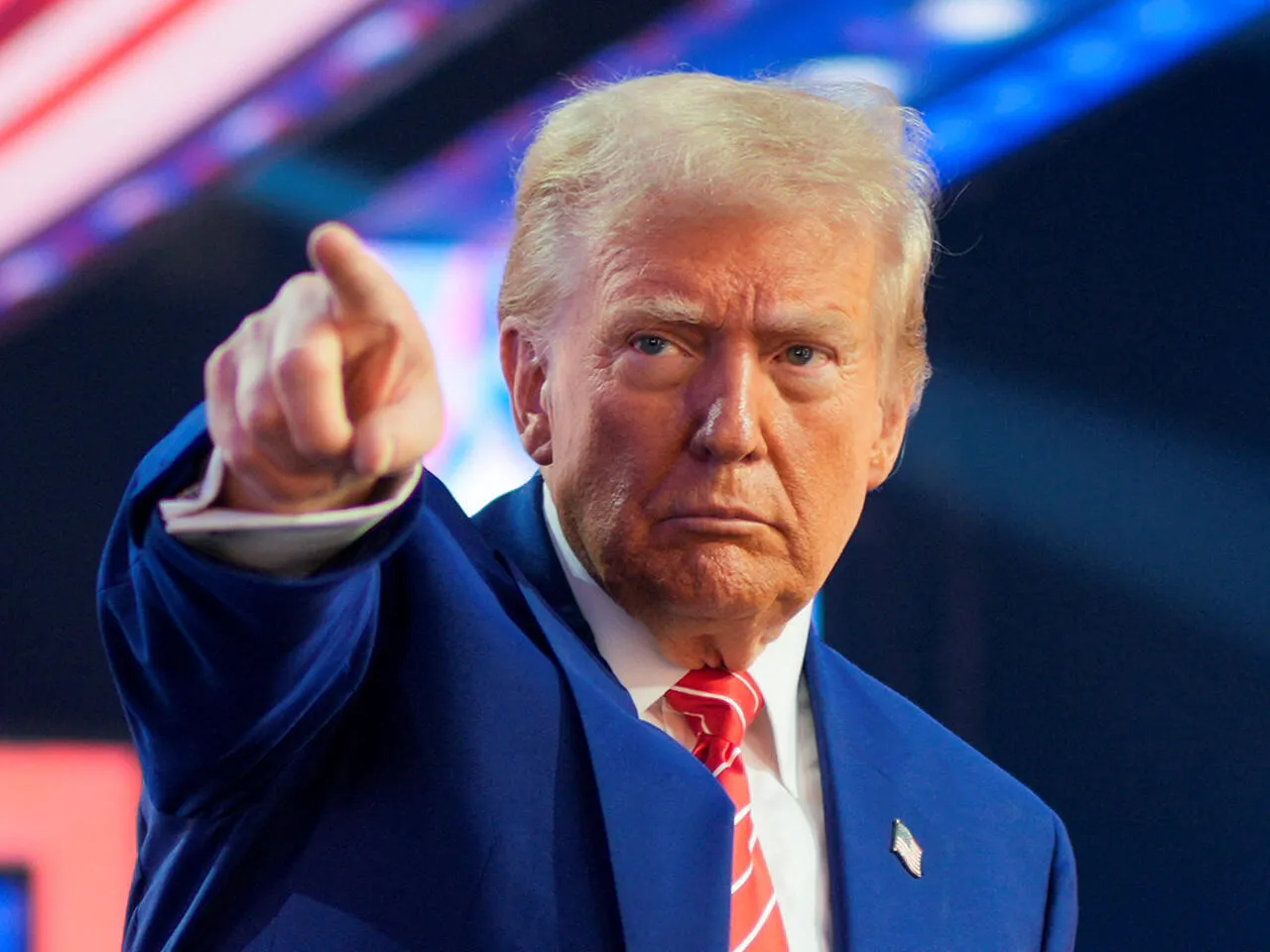
The dispute over the use of frozen Russian assets has led to pressure from the US on the European Union.
This is reported by Politico, as relayed by Censor.NET.
What is known?
Serious disagreements among European governments over the use of frozen Russian assets to finance the country's reconstruction reveal a deeper divide on the continent over how to act in the new world order and under unprecedented pressure from the US.
"They want to weaken us," said a senior EU official familiar with transatlantic relations and preparations for the EU summit.
Politico notes that the European Council has two things to do this week. First, it needs to deliver tangible results on the issue of financing Ukraine. At the same time, European leaders must also defend the EU, whose policy on this issue the White House is trying to interfere with by all means.
US pressure
Trump administration officials are pressuring European governments — at least those they consider most friendly — to reject a plan to use €210 billion in Russian assets to finance Ukraine, four EU officials involved in the discussions told Politico.
"When EU leaders met in Brussels in October, they failed to reach an agreement on frozen funds because Belgium opposed it. Two months later, it became clear that the EU's problem was not Belgium, but Trump," the article says.
Belgium
The European Commission and the most influential capitals held talks among themselves, trying to enlist the support of Belgian Prime Minister Bart De Wever, whose backing is crucial because his country holds most of Russia's assets frozen in Europe. Discussions intensified over the past week as the EU sought to provide Belgium with guarantees.
The European Commission and the most influential capitals begged Belgian Prime Minister Bart De Wever, whose support is crucial because most of Russia's frozen assets are held in his country, to agree to a "reparation loan" for Ukraine.
But the chances of reaching an agreement have worsened rather than improved, said a senior official on condition of anonymity.
Ukraine needs money
Ukraine desperately needs money, as it will face a budget deficit of €71.7 billion next year.
If funds do not start coming in by April, it will have to cut government spending, which could affect morale and its ability to continue defending itself," the publication notes.
US influence campaign
An American lobbying campaign, in which Trump officials bypassed Brussels and held talks with central capitals, led to Italy, Bulgaria, Malta, and the Czech Republic joining the group of countries opposed to financing Ukraine.
Failure would be a disaster for the EU's position in the world, European officials said. This is especially true given that the Trump administration, in its National Security Strategy, has declared its support for Eurosceptic forces, as well as for Putin, who openly questions the sovereignty of the former Soviet republics.
"The US is clearly no longer the leader of the free world," says Manfred Weber, leader of the center-right European People's Party.
The Trump administration is "distancing itself from us," he added.
Consequences for Ukraine
A bankrupt Ukraine will have a weaker position in peace negotiations, undermining its chances of achieving the lasting peace necessary for recovery from the devastating effects of war.
"I don't even have the right words," said Estonian Prime Minister Kristen Michal.
Kyiv must know "that Europe supports Ukraine, despite everything. That they don't need to agree to a bad deal," he added.
Trump's peace plan and Russian assets
Washington wants to dispose of part of the frozen Russian funds itself to finance Ukraine. Meanwhile, a "reparations loan" would allow Kyiv to decide for itself where to allocate the money. France proposes to use these funds to arm Europe.
Trump is also pressuring Ukrainian President Volodymyr Zelenskyy to cede to Russia well-fortified and strategically important territory in Donbas — territory that the Kremlin does not currently control.
The White House has rejected Brussels' accusations of interference, Politico notes.
"The sole objective of the United States is to establish peace... Both Ukrainians and Russians have clearly stated their positions on frozen assets, and our sole task is to facilitate dialogue that may ultimately lead to an agreement," said White House Deputy Press Secretary Anna Kelly.
EU position
EU officials and leaders have increasingly begun to raise the issue of the "nuclear option": pushing through the "reparations loan" by a qualified majority vote—in other words, ignoring the objections of some countries and moving forward anyway.
But some officials said it would tear apart an already divided bloc and likely plunge it into a real crisis.


