



Russia’s greatest threat is that it may gain more at negotiating table than it achieved on battlefield – Kallas
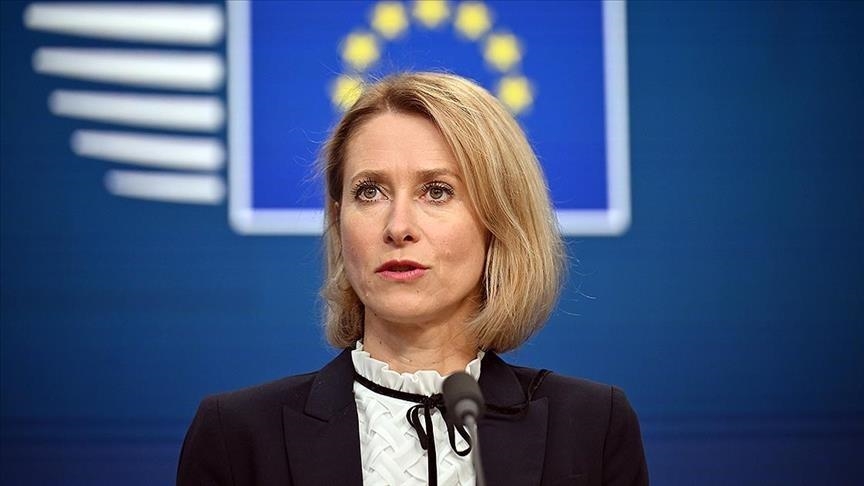
The greatest threat Russia currently poses does not lie in its achievements on the battlefield.
As reported by Censor.NET with reference to Radio Svoboda, EU foreign policy chief Kaja Kallas said this on 9 March at the annual EU ambassadors’ conference in Brussels.
Violation of international law
"The two main global crises today — in the Middle East and in Russia’s aggression against Ukraine — are directly linked. Because they share the same root cause: the destruction of international law. This escalated sharply when Russia, a permanent member of the UN Security Council, invaded a neighboring country with impunity… It sent a signal to the whole world that there is no longer accountability for one’s actions. The rulebook was simply thrown out the window," Kallas stressed.
According to her, without the restoration of international law and accountability for violating it, destabilization and chaos everywhere will continue. Kallas noted that a new world order is now taking shape, one in which force dominates.
The threat from Russia is not on the battlefield
At the same time, the diplomat stressed that Russia is not winning in Ukraine, and that the greatest threat associated with Russia is not on the battlefield.
"Its army is bogged down, and its economy is in steep decline. Demographically, Russia is collapsing. In fact, the greatest threat Russia currently poses is that it may gain more at the negotiating table and through cognitive warfare than it has achieved on the battlefield. And that is precisely why it is just as important as having a seat at the negotiating table to know exactly what to demand when you are sitting at that table," Kallas stressed, recalling her proposals for demands to be made of Russia, including limiting the size of its army and having it compensate Ukraine for the damage caused.
Russia is not seeking peace
She also noted that she sees no signs of Russia seeking peace, and that the latest strikes on Ukraine on 7 March are evidence of this.
"On the contrary, everything we see indicates that Russia wants to expand the war. That is why we are also rearming to strengthen Europe’s ability to defend itself… Deterring war is cheaper than fighting one," the diplomat added.


