



41 MPs are currently under investigation or facing charges, - Klymenko
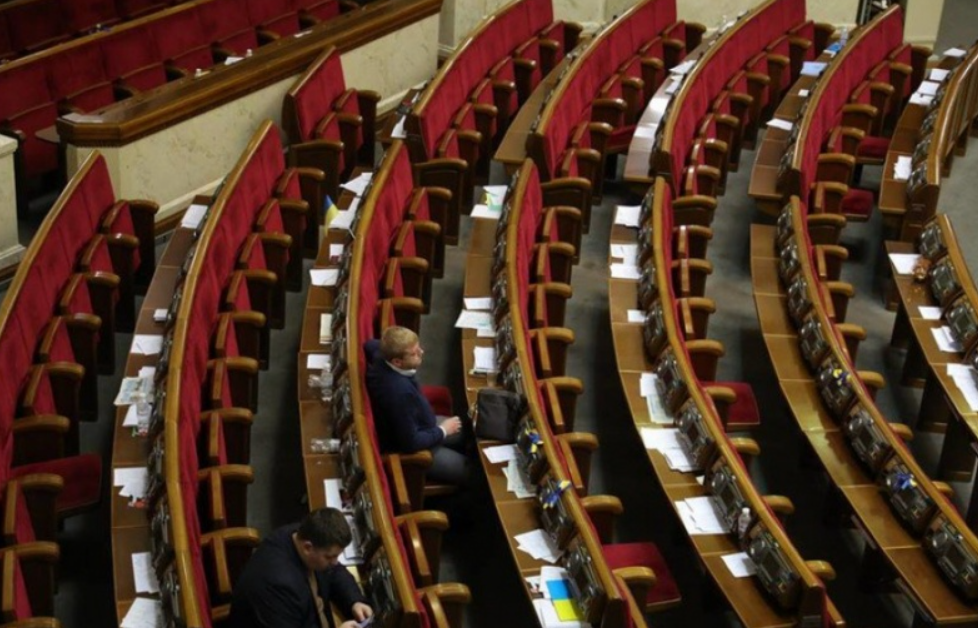
As of today, 41 MPs are either suspects or defendants in cases being investigated by the NABU and the SAPO. However, only one of them has publicly complained that this is hindering the work of parliament.
According to Censor.NET, this was stated by SAPO head Oleksandr Klymenko in an interview with Deutsche Welle.
"Then his fellow MPs themselves refuted the claim that this was preventing them from working, and they demonstrated that parliament is indeed functioning, with votes being held on various laws," said the head of the SAPO.
The status of MPs in criminal proceedings
Klymenko added that MPs, even if under suspicion, and even after a case has been referred to court, are able to attend parliament and vote.
"Only after a verdict becomes final does the accused lose their powers as a Member of Parliament. And no Member of Parliament is currently in custody in our criminal proceedings," he explained.
Commenting on cases of prosecution, Klymenko said that "there are cases where people have indeed been convicted, the sentences have become final, and they have lost their powers", and according to him, there were "four, I think, MPs", with several more cases currently under appeal. Klymenko also emphasised that "no one is prosecuting them for the vote itself", explaining that the investigation concerns not the fact of the vote, but the possible receipt of funds in return for it, as well as other offences, including bribery, illicit enrichment and failure to declare assets.
Results of the work of NABU and SAPO
Separately, Klymenko cited statistics on the work of the SAPO and NABU, noting that "we have over 300 convictions, with more than 450 people sentenced to various forms of punishment", including fines, suspended sentences and restrictions on liberty, and added that there are also acquittals, which, in his words, demonstrates the adversarial nature of the judicial process.
He clarified that these figures cover the entire period of the SAPO’s existence since late 2015.


