



Easing US oil sanctions against Russia is mistake, - Volker
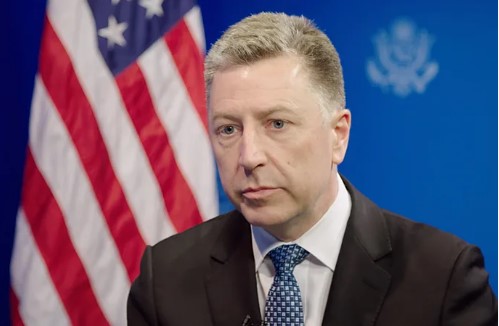
Former U.S. Special Representative for Ukraine Kurt Volker believes that easing oil sanctions could temporarily strengthen Russia’s economic capabilities.
According to Censor.NET, he stated this in an interview with Ukrinform.
"First and foremost, I believe that easing oil sanctions against Russia is the wrong decision. It’s a mistake because it will have almost no impact on global oil prices, if any at all. Instead, it will give Putin more resources and, as a result, encourage him to prolong his war against Ukraine. So I believe that in this sense, it is a mistake. In the long term, it won’t matter much. However, in the short term, it will. In the long run, I think oil prices will go down again, and that will have a much stronger impact on Putin," Volker emphasized.
He stated that Ukraine’s strikes on Russian export terminals deep within Russian territory are aimed at reducing Moscow’s ability to export oil and are already having a noticeable economic impact.
In his view, a combination of several factors—Ukrainian attacks on infrastructure, falling global prices for oil, and a decline in shipment volumes—effectively offsets the impact of Washington’s individual decisions regarding Russian energy exports.
The official clarified that the current position of the U.S. does not call for a complete easing of sanctions. The discussion concerns only permission to sell Russian oil that is already at sea, not an expansion of exports in general.
"That is why I hope this decision will remain limited to this specific scope and will be in effect for only a short period," the diplomat stated.
What led up to
- On April 17, the U.S. Department of the Treasury announced the removal of a number of individuals and entities from the sanctions list related to Russia.
- The United States has granted a 30-day waiver allowing countries to purchase Russian oil and petroleum products that are subject to sanctions and are currently on tankers at sea. Treasury Secretary Scott Bessent called this move a measure to stabilize global energy markets, which have been unsettled by the war with Iran.
- In Washington, this decision was explained as an attempt to stabilize global energy prices, as well as in response to appeals from about ten countries that are heavily dependent on fuel imports.


