



Kremlin is stepping up security for Putin out of fear of coup, - CNN
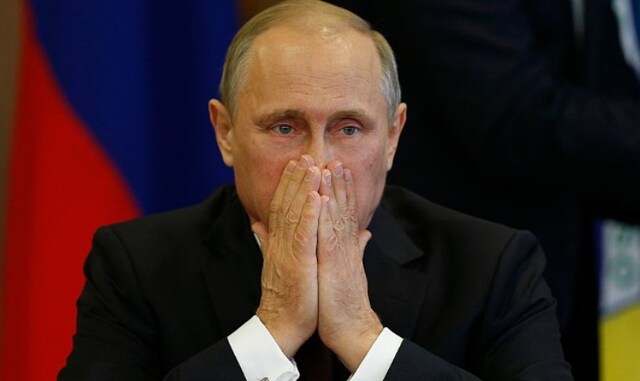
The Kremlin is imposing total control, new checks, and restrictions on Russian dictator Vladimir Putin’s inner circle due to fears of an internal coup.
According to Censor.NET, CNN reports this, citing a European intelligence report.
In particular, surveillance systems are being installed in the homes of individuals close to Putin, and staff—from cooks to photographers—have been banned from using public transportation. All visitors undergo double security checks, and those working closely with the dictator are permitted to use only phones without internet access.
These measures were tightened following the assassination of a high-ranking general in late 2025, which heightened tensions among Russia’s security agencies.
Fewer trips and greater isolation
Putin has significantly restricted his movements, abandoning regular visits to his traditional residences in the Moscow region and in Valdai. He has also made virtually no visits to military facilities this year, and the Kremlin is increasingly using pre-recorded video messages instead of public trips.
According to sources, the Russian leader spends a significant portion of his time in modernized, fortified facilities, particularly in bunkers in the Krasnodar Krai.
According to the report, since March 2026, the Kremlin has become increasingly concerned about the risks of internal conspiracy or attempted coups. Of particular concern is the possibility of an assassination attempt using drones, particularly by members of the Russian elite.
Sergei Shoigu is mentioned separately, as he is linked to potential risks to the stability of the regime due to his significant influence in military circles, although no concrete evidence is provided to support these assumptions.
War, casualties, and internal tensions
Against the backdrop of a protracted war against Ukraine, Russia continues to suffer serious losses—according to Western estimates, tens of thousands are killed and wounded each month. Economic pressure, disruptions in the functioning of infrastructure in major cities, and growing discontent among the elite are exacerbating internal instability.
The Kremlin has also not forgotten the events of 2023, when Yevgeny Prigozhin organized an uprising with a march on Moscow, which became one of the most serious challenges to Putin’s rule.
The report also mentions conflicts between security agencies. Following the assassination of a lieutenant general in late 2025, Chief of the General Staff Valery Gerasimov sharply criticized FSB Director Alexander Bortnikov for security failures.
In response, Putin expanded the powers of the Federal Security Service, tasking it with providing additional protection for ten more high-ranking military commanders.
Security above all
The tightening of security measures also affected the May 9 parade in Moscow. According to Dmitry Peskov, this year’s event will take place without a display of heavy military equipment due to the risks of attacks and security threats.
The Federal Security Service, which is responsible for the Russian president’s security, has further tightened Putin’s isolation since the pandemic: strict contact tracing, secure facilities, bunkers, armored vehicles, and specialized equipment—including defenses against FPV drones—have become key elements of his personal security.


