



55 billion on "Vova’s thousands": media calculated what country could have received instead

State budget spending on various programs to support citizens, including "cashback" schemes and one-off payments, is approaching the level of expenditure on key social sectors. At the same time, experts point to their limited economic effect.
This was reported by Censor.NET, citing a Ukrainska Pravda article on the structure of Ukraine’s budget spending and cash support programs for the population.
Billions in the budget and spending structure
In 2026, the government began preparing changes to the state budget, envisaging a redistribution of funds to finance major support programs and attract an external EU loan. Overall, this involves tens of billions of euros in international assistance, part of which will go to defense and part to civilian spending.
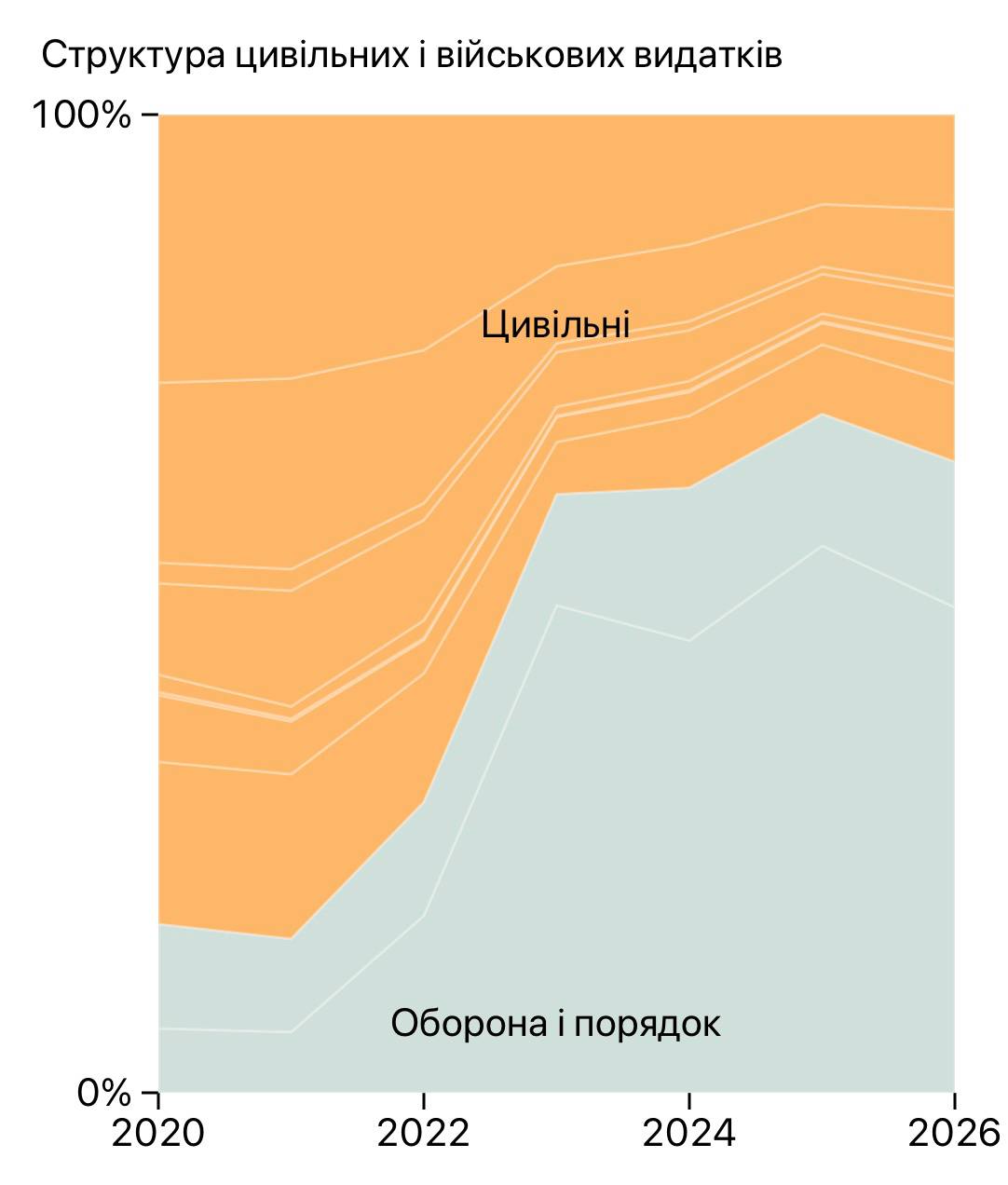
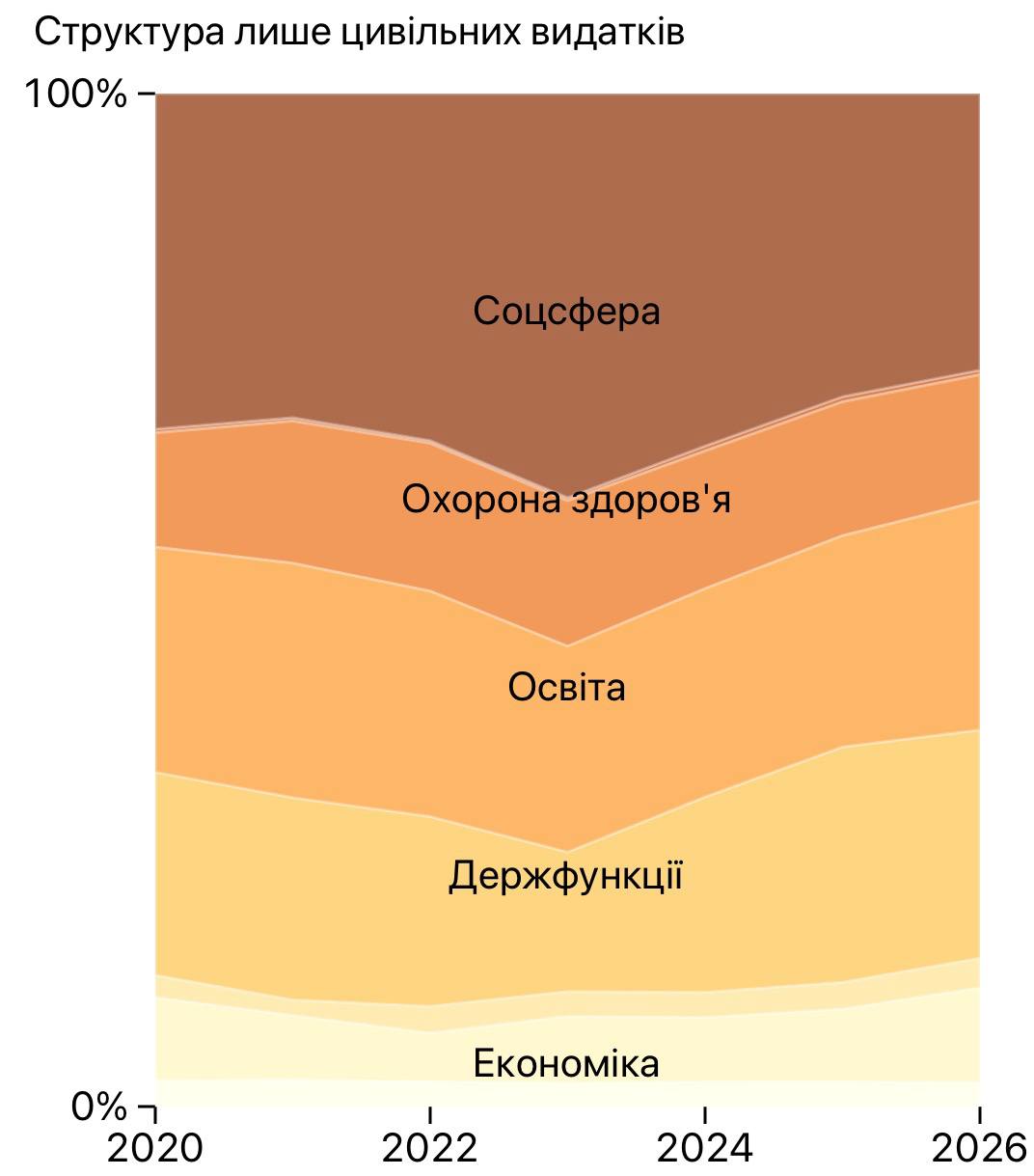
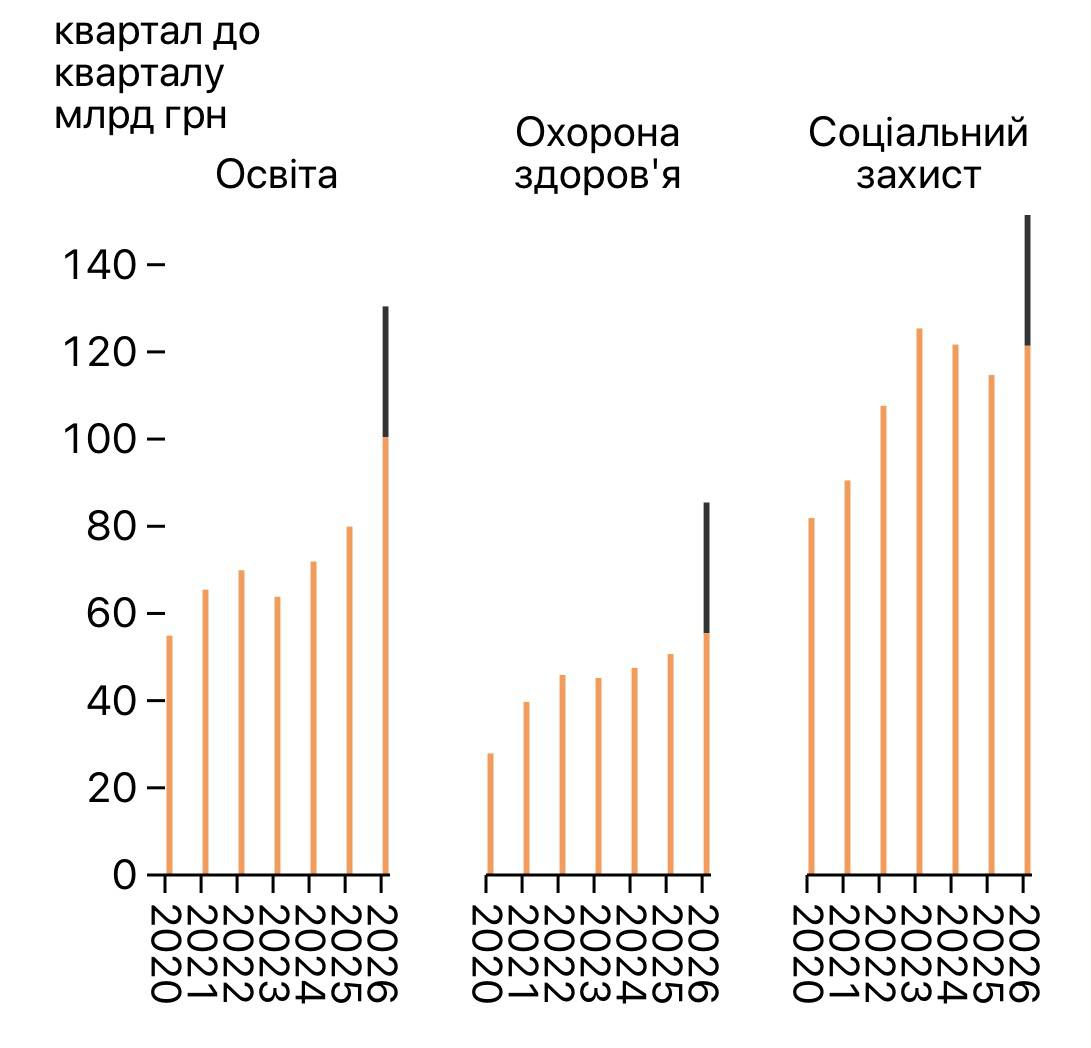
In the first quarter of 2026, non-military spending amounted to about UAH 445 billion. Significant sums were allocated to social protection, education, and public administration. Debt servicing costs and interbudgetary transfers also remain substantial.
"Cashback" schemes and the effect of support programs
As Ukrainska Pravda notes, in 2025, about UAH 25 billion was spent on various one-off support programs, including the "winter thousand" and the national "cashback" program.
If additional payments to certain categories of citizens are included, the amount rises to almost UAH 30 billion.
MP Yaroslav Zhelezniak estimates that since the start of 2026, up to UAH 55 billion may have been allocated to such programs. At the same time, actual payments in the first quarter remain lower.
The article also stresses that the economic effect of such programs is limited, while the political component carries greater weight.
"The effectiveness of such payments in stimulating the economy is minimal," the analytical conclusions state.
- As a reminder, the National Cashback program was launched on 2 September 2025. It provides for buyers of products made in Ukraine to receive 10% cashback from the state on the money spent.


