ENG




13555 visitors online
The Ukrainian government has been actively revising its approach to payouts, focusing on enhancing the compensation for military personnel. Recent measures include up to 460,000 UAH monthly bonuses for combat participation and payments tied to destroyed enemy equipment. Additionally, reforms are underway to increase allowances and clearly define terms of service. Meanwhile, the Russian government is increasing military contract payments, indicating recruitment challenges. The Ukrainian Ministry of Defence continues to adapt its incentive structures, aiming to motivate its forces through substantial financial incentives. Such developments reflect ongoing adjustments in defense spending amid ongoing conflicts.
What are the new payout policies for the Ukrainian military in 2026?
The Ukrainian military's new payout policies in 2026 include high monthly bonuses up to 460,000 UAH for combat roles, and significant one-time payments for destroyed enemy equipment. The government is also restructuring military contracts to include clear service terms and increased pay rates, reflecting a comprehensive transformation aimed at boosting soldier motivation and operational effectiveness.
How are Russia's military payments changing in 2026?
In response to recruitment shortages, Russia is increasing one-off payments for new military contracts to over 4 million rubles. This move is designed to attract more personnel into its armed forces, addressing the decreasing willingness of individuals to participate in the conflict against Ukraine. Regional budgets are bearing the financial burden of these incentives.
What financial support is available for victims of war in Ukraine?
Ukraine provides various forms of financial support for war victims, including substantial compensation to families of fallen soldiers, payments for released prisoners of war, and schemes for rewarding soldiers based on their combat achievements. These measures are part of a broader strategy to ensure that those affected by the ongoing conflict receive necessary support, both financially and socially.
How is Ukraine addressing financial shortages in military funding?
Ukraine is addressing financial shortages in military funding through strategic budget allocations, despite facing a significant shortfall. The Verkhovna Rada has increased defense spending, and efforts are underway to channel additional resources into the military. Reforms aim to optimize existing funds and maintain necessary support levels for military personnel, ensuring operational readiness and support.
What is the role of regional governments in financing Russian military payouts?
Regional governments in Russia play a crucial role in financing military payouts, particularly in covering the increased one-off payments for new recruits. As central authorities face recruitment shortfalls, the financial burden of these incentives falls on regional budgets, many of which are already under financial strain. This strategy attempts to distribute the cost of military engagement more broadly across the federation.
News payouts
 Funding for "eBaly" programme is secured until end of year; all payments will be made, – Ministry of Defence The Ministry of Defence has provided clarification regarding the funding of the eBaly programme and payments to manufacturers. 2 548 24 Previously in trend: Defense Forces funding
 There is not enough money in budget to pay salaries, - Finance Minister Marchenko Ukraine’s financial situation is now at its most critical point since the start of the major war with Russia in 2022. 17 010 174 Previously in trend: State budget
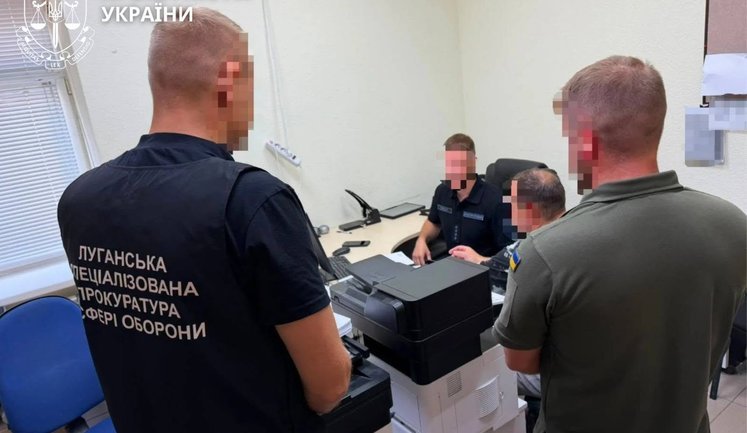
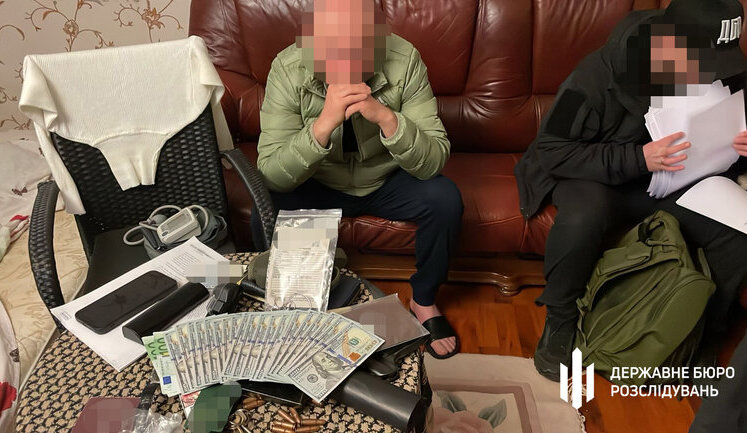
 Over UAH 4.3 million in "combat pay" accrued: three former servicemen notified of suspicion, - Prosecutor’s Office. PHOTOS A former deputy commander of a rifle company responsible for morale and psychological support, a former head of the medical service – head of the medical post – and a former head of the food supply service have been served with notices of suspicion for the unlawful allocation of ‘combat... 1 020 0 Previously in trend: Illegal payments
 24 servicemen received bonuses despite disciplinary violations: SBI reported suspicion to officer In the Sumy region, the State Bureau of Investigation (SBI) notified a deputy battalion commander that he was under suspicion; according to the investigation, he systematically ignored disciplinary violations by his subordinates. Due to his inaction, 24 service members unjustifiably received... 1 502 10 Previously in trend: Illegal payments Schemes involving payments to military personnel
 Nearly UAH 2 million for "combat" missions that never occurred: SBI serves SBGS colonel with suspicion notice The State Bureau of Investigation (SBI) has served a colonel of the State Border Guard Service (SBGS) of Ukraine with a notice of suspicion over inadequate oversight of payments to military personnel. According to the investigation, between 2023 and 2025, they were unjustifiably awarded almost... 17 357 6 Previously in trend: Illegal payments Schemes involving payments to military personnel
 Up to 460,000 UAH per month: procedure approved for paying additional bonuses to NGU, NPU, and SBGS personnel for participation in combat operations Ukrainian Minister of Internal Affairs Ivan Vyhivskyi signed orders approving the procedures for paying additional bonuses to servicemembers of the National Guard, the State Border Guard Service, and special-purpose police officers as part of a pilot project on incentive payments. 6 203 26 Previously in trend: payments to military
 Russia raises military contract payments to over 4 million rubles amid shortage of willing recruits – CCD Russian authorities are sharply increasing one-off payments for signing contracts with the Ministry of Defence in an attempt to offset a shortage of people willing to fight against Ukraine. The financial burden is being shifted onto regional budgets, many of which are already in crisis. 2 307 17 Previously in trend: Russian army
 Fighters from ’Azov’ and other National Guard brigades have received their first payments for destroyed Russian equipment, - Palamar Fighters from the‘Azov’ Corps and other National Guard brigades have received payment for enemy equipment they destroyed. 1 655 4 Previously in trend: Destruction of Russian equipment payments to military
 Ministry of Defence has introduced infantry and assault unit contracts: up to 460,000 UAH per month and fixed terms of service As part of the comprehensive transformation of the Ukrainian Defence Forces, infantry and assault contracts have been introduced, featuring clear terms of service and the highest pay rates. 4 826 28 Previously in trend: Reforms in the army Changes to military contracts
 Bonuses for assaults, prisoners of war and enemy casualties: Ministry of Defence has published details of new payments The Ukrainian Ministry of Defence has responded to the numerous enquiries received via its helpline and on social media regarding when payments will be made under the new incentive scheme as part of the transformation of the Defence Forces, reports Censor.NET 3 668 20 Previously in trend: payments to military Reforms in the army New payments to military personnel
 There are resources to increase pay in army. Minimum of 30,000 UAH in rear, – Zelenskyy. VIDEO President Volodymyr Zelenskyy has stated that Ukraine has the resources to increase military personnel’s salaries. 3 710 58 Previously in trend: Reforms in the army
 Ministry of Defence preparing reform of military allowances and introduction of service terms, – Svyrydenko The Ukrainian Ministry of Defence is preparing a reform that provides for an increase in allowances for military personnel and the establishment of specific terms of service. 4 269 78 Previously in trend: payments to military Reforms in the army
 Svyrydenko says concept of army reform will be presented in July – Honcharenko The government has said that the concept of army reform will be presented in July. 1 972 20 Previously in trend: payments to military
 Verkhovna Rada has increased social benefits for rescue workers and police officers: minimum salary is set at 10 times subsistence minimum, and bonus system has been updated, - Klymenko Today, the Verkhovna Rada approved a bill strengthening social guarantees for rescue workers and police officers by a vote of 269 in favor. 5 725 75 Previously in trend: Minimum wage increase
Rada has increased defence spending to 4.4 trillion hryvnia: funds will go towards weapons and support for military, – Svyrydenko Today, 10 June 2026, the Verkhovna Rada has amended the 2026 State Budget. This decision will enable additional resources to be channelled towards funding the Defence Forces and protecting the population. 3 267 16 Previously in trend: payments to military
 Indexation for military personnel: from June, pay will be increased by 132 hryvnias, - Honcharenko From June 2026, military personnel’s pay will be increased by just 132 hryvnia. 17 292 56 Previously in trend: payments to military
 There is 180 billion hryvnia ’hole’ in 2026 state budget for military salaries; there are not even enough funds to match last year’s level of payments, – Zhelezniak The Cabinet of Ministers is refusing to allocate the necessary funds in the amendments to the 2026 State Budget, creating a massive funding shortfall for the army. The government has not set aside any funds at all for increasing payments to military personnel. 15 245 101 Previously in trend: payments to military State budget
 State spent UAH 17.8 billion on "Zelenskyy’s thousand" payment last year – Finance Ministry. DOCUMENT The state spent UAH 17.8 billion last year on the payment of "Zelenskyy’s thousand". 2 227 28 Previously in trend: Winter support from government
 55 billion on "Vova’s thousands": media calculated what country could have received instead State budget spending on various programs to support citizens, including "cashback" schemes and one-off payments, is approaching the level of expenditure on key social sectors. At the same time, experts point to their limited economic effect. 3 381 22
 Government extends National Cashback The Cabinet of Ministers of Ukraine has decided to extend the experimental project "National Cashback" until the end of martial law, but no later than 30 April 2028. 1 572 8 Previously in trend: Support programs
 Contracts with payments of UAH 250,000-400,000 depending on combat missions planned for AFU infantrymen Financial remuneration in Ukraine’s Defense Forces is expected to increase, ranging from UAH 30,000 for rear-area positions to UAH 250,000-400,000 for infantry personnel carrying out combat missions. 7 407 109 Previously in trend: payments to military
 13 million Ukrainians will receive payment of 1,500 hryvnias in April, – Uliutin In April, around 13 million Ukrainians will receive a one-off cash payment of 1,500 hryvnias. 11 179 49 Previously in trend: IDP payments
 Rada adopted bill on social protection for military personnel. Fedorov outlined key changes Today, February 25, 2026, the Verkhovna Rada of Ukraine adopted draft law No. 13646 on social protection for military personnel. 8 419 37 Previously in trend: payments to military
 Family of soldier Daletskyi does not have to return 15 million hryvnias to state for his "death," - Ministry of Defence The Ministry of Defence of Ukraine has no legal grounds or intention to compel the family of soldier Nazar Daletskyi, who was considered dead and then returned from Russian captivity, to return to the state payments in the amount of 15 million hryvnias for his "death." 5 153 23 Previously in trend: payments to military payments to families of prisoners of war
 On 11 February, Ministry of Social Policy will hold briefing entitled "Identification of pensioners: who has had their payments suspended and how to quickly restore them" On February 11 at 10:00 a.m., a briefing organized by the Ministry of Social Policy, Family, and Unity of Ukraine will be held at the Ukrinform press center on the topic: "Identification of pensioners: who has had their payments suspended and how to quickly restore them." 2 595 16 Previously in trend: Pension Reform IDP payments
Family of "deceased" soldier Nazar Daletskyi, who returned from captivity, must return aid paid to them The relatives of Nazar Daletskyi, who was presumed dead but returned alive from Russian captivity, will be forced to return to the state the financial assistance allocated in the event of the death of a defender. 10 013 76 Previously in trend: Rescuing soldiers from captivity payments to families of prisoners of war
 Ukraine will incentivize its 800,000-strong army with high salaries – Zelenskyy President Volodymyr Zelenskyy said the state will incentivize Ukrainian servicemen with high salaries if a ceasefire is reached. 8 548 74 Previously in trend: payments to military reduction in the numbers of defense forces Peace agreement between Russia and Ukraine
 Emergency repair crews to receive additional payments from January through March, Zelenskyy says Workers of emergency repair crews will receive additional payments for January, February, and March. UAH 20,000 for each month. 1 208 16 Previously in trend: Payments to energy workers
 Government introduces bonus payments for energy workers serving in repair and restoration teams – Svyrydenko Energy workers serving in repair and restoration crews will receive additional pay. 1 843 13 Previously in trend: Restoration of the power grid Electricity restoration
 Servants of People were given envelopes with money in office where NABU had installed wiretap Deputies from the Servant of the People party received shadow payments in envelopes at the office of Yurii Kisel, a deputy from the Servant of the People party. 28 000 139 Previously in trend: payments in envelopes to servant of the people
 There are funds for winter support, they will arrive 10 days after application - Zelenskyy Today, November 15, the winter support program for the population has already started. In the first two hours, half a million applications have already been received. 2 172 48 Previously in trend: Winter support from government
 "Zelenskyy’s thousand" will be funded at expense of child protection and low-income support programmes – media The Cabinet of Ministers plans to give every Ukrainian 1,000 hryvnias under the "winter support" programme by reducing funding for child protection and low-income family assistance programmes. 6 468 75 Previously in trend: Winter support from government
 Instead of populist "winter" payouts, 33,750 UGVs could have been purchased to evacuate wounded President Volodymyr Zelenskyy said unmanned ground vehicles (UGVs) designed for casualty evacuation, developed in the R&D labs of the First Separate Medical Battalion, has been successfully evacuating the wounded. The system was funded through charitable donations. The price of one such UGVs... 10 627 36 Previously in trend: Evacuation by ground drone Evacuation of the wounded Winter support from government
 Government approves UAH 6,500 payment program under "Winter Support" package The government has approved a program of one-time payments worth UAH 6,500 for the most vulnerable categories of citizens under the "Winter Support" package. 7 515 35 Previously in trend: Winter support from government
Soldiers released from Russian captivity will receive 50,000 hryvnia during rehabilitation The Verkhovna Rada has passed a bill providing for a monthly payment of 50,000 hryvnias to military personnel who have returned from Russian captivity during their rehabilitation. 1 497 5 Previously in trend: payments to military
 Cabinet of Ministers approves 1st package of support for 6.6 million Ukrainians from frontline regions - Svyrydenko Prime Minister Yulia Svyrydenko announced that the government has approved a package of support for residents of the frontline regions. 2 092 19 Previously in trend: Cabinet of Ministers’ program to support frontline areas
 Military personnel to receive 15 additional days of leave starting in August – Zelenskyy President Volodymyr Zelenskyy announced that, starting in August, Ukrainian servicemembers will be able to take an additional 15 days of leave. 5 039 10 Previously in trend: payments to military Leave for servicemen
Ukraine pays soldiers’ salaries exclusively from its own tax revenues – Shmyhal Ukraine pays its troops entirely from its own tax revenues. 1 905 28 Previously in trend: payments to military
 Married couple exposed in Zaporizhzhia for demanding kickbacks from payments to families of deceased soldiers, - SSU. PHOTOS The Security Service of Ukraine and the National Police exposed a couple in Zaporizhzhia who organised a scheme to extort money from the families of fallen soldiers of the Armed Forces of Ukraine in exchange for government benefits. 4 377 28 Previously in trend: financial fraud payments to military
 Ukraine to provide UAH 50 thousand to children returning from occupation or deportation - Ministry of Social Policy The state will provide a one-time financial assistance of UAH 50,000 to each child who returns from the temporarily occupied territories or has been deported or forcibly displaced. 985 20 Previously in trend: Payments to children
 One-time compensation system improved under wartime conditions – Defense Ministry The Ministry of Defense of Ukraine has initiated amendments to the procedure for granting one-time financial assistance to servicemembers, conscripts, reservists, and their family members. The relevant changes were approved by the Cabinet of Ministers of Ukraine. 2 071 4 Previously in trend: Payments to the families of the deceased
 Zelenskyy signs law on UAH 15 million compensation to families of fallen volunteer fighters President Volodymyr Zelenskyy has signed a bill that provides for the payment of UAH 15 million to the families of volunteer fighters killed in the defence of Ukraine. 5 185 22 Previously in trend: Payments to deceased volunteers
 Problems with payments to wounded soldiers are related to bureaucracy, not lack of funds - Syrskyi Commander-in-Chief of the Armed Forces of Ukraine Oleksandr Syrskyi said that difficulties with payments to wounded soldiers are primarily related to bureaucratic procedures, not to a lack of funds. 1 993 26 Previously in trend: payments to military
 Information about lack of money for military payments is fake. They will get their salaries according to plan - Ministry of Finance Financing the Armed Forces of Ukraine is an absolute priority for the Ministry of Finance. 2 584 56 Previously in trend: payments to military
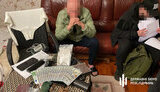 Business was set up to pay fictitious "combat payments" expenses: SBI detains two military officials in Kherson region. PHOTOS In the Kherson region, two officials of a military unit organised a corruption scheme - they extorted money from servicemen for charging them fictitious "combat" payments. 1 346 4 Previously in trend: Illegal payments
 From 2 to 4 million for participation in war: increase in payments in Russia indicates difficulties with manning units - DIU The Russian authorities continue to lure the population to the war against Ukraine by significantly increasing financial payments for signing the first contract. 4 781 74 Previously in trend: Russia’s expenditure on war payments to the occupiers for participation in the war
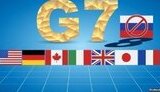 Ukraine received almost $ 1 billion from Britain at expense of frozen Russian assets Ukraine has received the first payment of 752 million pounds (almost $1million) from the UK as part of the G7 loan. 2 479 9 Previously in trend: Use of frozen assets of Russian Federation G7 payments
 Cabinet of Ministers allocates UAH 1.1 billion to DIU to provide financial assistance to families of deceased The Cabinet of Ministers has allocated UAH 1 billion 115 million from the reserve fund to the Defence Intelligence of Ukraine to provide financial assistance to the families of fallen servicemen. 1 453 14 Previously in trend: Payments to the families of the deceased
Page 1 of 3
more news