



Russia is rapidly ramping up production of FPV drones and expanding its own unmanned forces, copying Ukrainian solutions, - Syrskyi
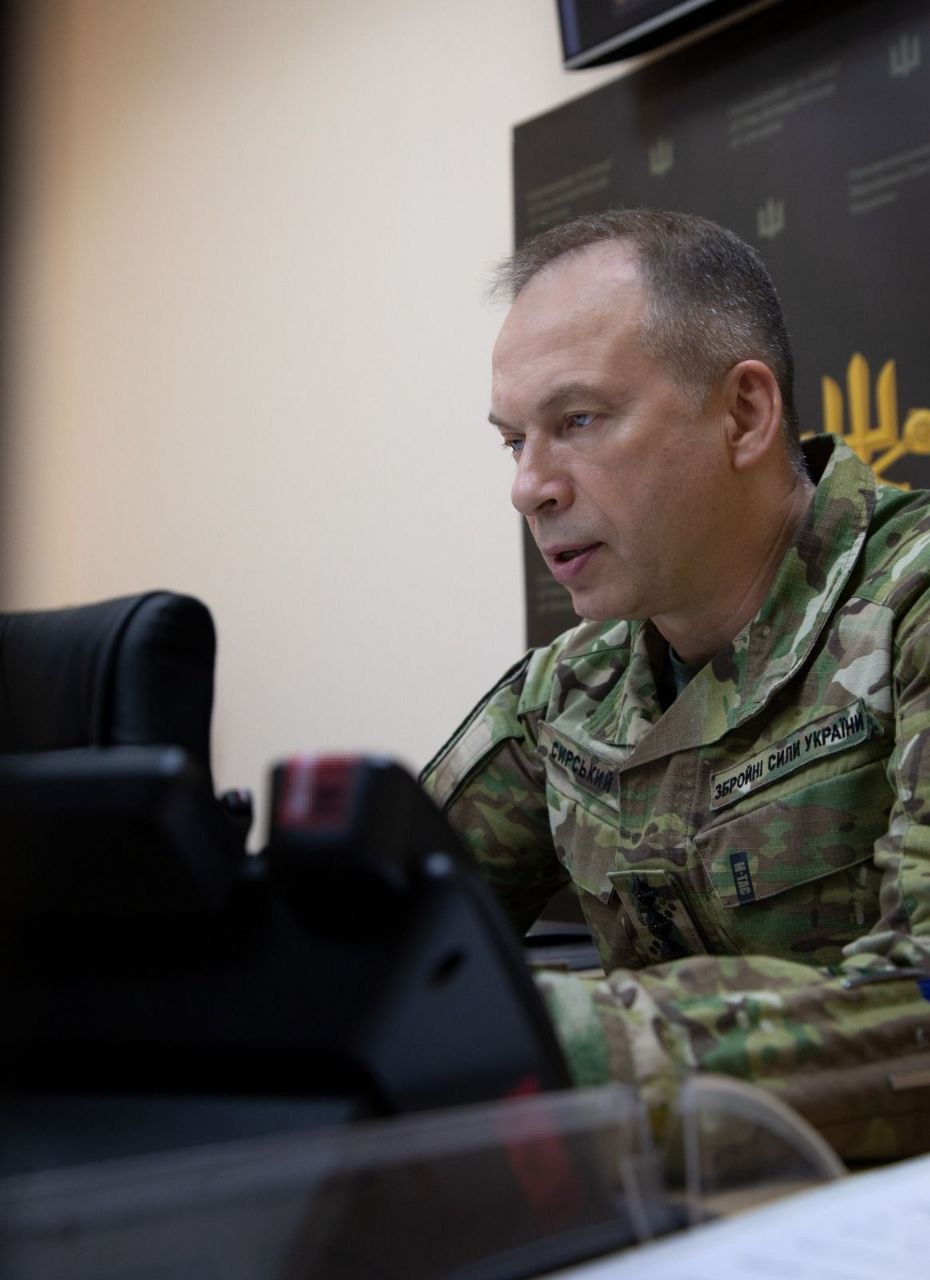
Commander-in-Chief of the Armed Forces of Ukraine Oleksandr Syrskyi heard a report from military intelligence on the development of the aggressor state’s unmanned aerial vehicle forces.
He announced this on his Telegram channel, according to Censor.NET.
Russia plans to produce 7.3 million FPV drones
According to reports, Russia plans to produce 7.3 million FPV drones and 7.8 million combat components for various types of UAVs by 2026. The enemy is increasing its supply of strike drones equipped with turbojet engines to its troops.
"We see this, analyze it, and take it into account in our own planning," Syrskyi clarified.
The enemy is deploying additional forces
Meanwhile, according to intelligence reports:
- the enemy is urgently deploying, outside of approved plans, an additional 4 regiments, 24 battalions, and 162 batteries to counter our strike drones;
- it is strengthening the layered air defense cover over Moscow and the Krasnodar Krai.
"In fact, the Russians are scaling up their UAV forces, copying Ukrainian solutions—technical, tactical, and organizational. The same applies to the use of electronic warfare assets in border regions," the commander-in-chief emphasizes.
Despite all the challenges, the Defense Forces continue to maintain the initiative and set the pace. Our advantage in FPV drones is growing. Since December, for the fifth consecutive month, the unmanned systems units of the Ukrainian Defense Forces alone have neutralized more occupiers than Russia has been able to mobilize into its army.
In April alone, our unmanned aerial systems:
• carried out nearly 357,000 combat missions;
• struck over 160,700 verified targets—a 2% increase from March;
• suppressed over 7,700 enemy UAV pilot positions;
• struck 424 enemy targets using Middle Strike systems at ranges of 20–250 km.
The Role of Unmanned Ground Vehicles
Modern warfare is rapidly increasing the role of ground-based robotic systems. Today, robots not only fight but also evacuate the wounded, lay minefields, and already handle over 60% of logistics transport for the troops. That is why it is critically important to ensure the timely and consistent supply of such platforms in accordance with the needs of the units.
What decisions were made?
According to Syrskyi, during the monthly meeting on the development of the Unmanned Systems, participants discussed specific issues, ways to resolve them, and exchanged experiences regarding effective combat operations. In particular, they discussed the use of interceptor drones to provide cover for our infantry units.
War is constantly evolving. The enemy adapts and seeks new ways to counter our strengths. That is why we must act faster, with greater flexibility, and by leveraging technology. Among the key tasks are improving the effectiveness of electronic warfare, increasing the use of ground-based robotic electronic warfare platforms, and reviewing the effectiveness of individual electronic warfare equipment. I have also identified other priority tasks," Syrskyi added.
He also signed orders to encourage the best military personnel in the field of unmanned systems.


