



In field of FPV drones, Defence Forces outnumber Russian Federation by a ratio of 1.5 to 1, – Syrskyi
Drone Industry
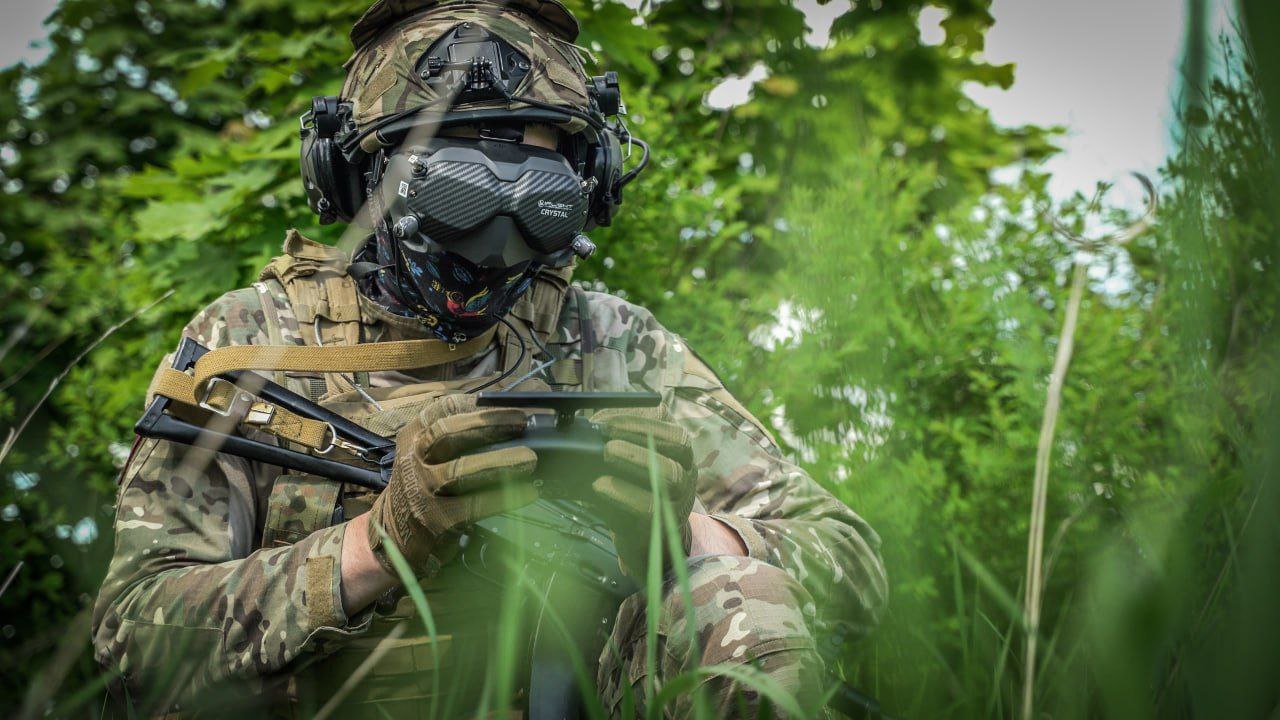
During May, the Ukrainian Defence Forces’ unmanned systems units struck nearly 180,000 verified Russian targets – 12.7% more than in April.
This was announced by Commander-in-Chief of the Armed Forces of Ukraine Oleksandr Syrskyi during a monthly meeting on the development of unmanned systems, reports Censor.NET.
Details
"In terms of FPV drones, the Ukrainian Defence Forces outnumber the enemy by a ratio of 1.5 to 1, and over the past few months this advantage has continued to grow in our favour.
In May, the Ukrainian Defence Forces’ unmanned systems units struck nearly 180,000 verified enemy targets — 12.7% more than in April. Around 4,000 Russian ‘Shahed’-type drones were neutralised, which is 27% more than the previous month. Additionally, around 10,000 positions of enemy drone operators were struck," he emphasised.
Furthermore, since the start of the year, Ukrainian drone operators have neutralised 12,500 more Russian occupiers than the Russian Federation has recruited into its armed forces over the same period.
UGVs
"Ground-based robotic systems are becoming particularly important on the modern battlefield. They are increasingly taking on tasks in the most dangerous areas, saving the lives of Ukrainian servicemen.
Today, a significant part of frontline logistics – the delivery of ammunition and provisions, the evacuation of the wounded, and other support tasks – is carried out precisely with the help of UGVs. In May, ground-based robotic systems had already carried out 12,500 tasks. At the same time, their potential is much greater. We could significantly expand the scale of UGVs deployment, but since the start of the year we have faced problems with the provision and supply of these systems," the commander-in-chief noted.
Middle Strike
"In May alone, the Defence Forces carried out nearly 2,000 strikes using Middle Strike assets. In particular, 414 enemy headquarters, command posts, concentration areas and other key enemy targets were struck.
Effective and widespread strikes against enemy rear areas at ranges of up to 200 kilometres became possible, in particular, thanks to the establishment of relevant coordination centres within the corps. This has improved coordination between different units and components of the Defence Forces, ensured better coordination of efforts and, as a result, achieved tangible results," noted Syrskyi.
At the same time, the Commander-in-Chief stated the need to continue building up the capabilities of unmanned systems, expand the scope of their use and improve the quality of specialist training.
"The enemy is also actively developing this area, copying our successful management and technological solutions, as well as seeking its own ways to improve. This is evidenced by both data from the battlefield and information provided by military intelligence.
At the same time, the Russian Federation is facing serious difficulties in staffing its unmanned systems units. Since the start of the year, only 14,500 people have been recruited to such units under contract, which is about 21% of the annual plan. The attempt to massively recruit students from higher education institutions for this work has also failed to meet expectations," he explained.
The Commander-in-Chief of the Armed Forces of Ukraine also heard reports from representatives of brigades and corps regarding practical experience in the use of various types of unmanned systems in different conditions and in different areas — strike and reconnaissance UAVs, ground-based robotic systems, in particular ‘Amphibian’-type unmanned ground vehicles.
"We discussed separately innovative solutions aimed at improving the effectiveness of our systems, countering enemy drones and increasing the survivability of Ukrainian drones," he concluded.


