



Pentagon halts Tomahawk deliveries to Germany - Politico
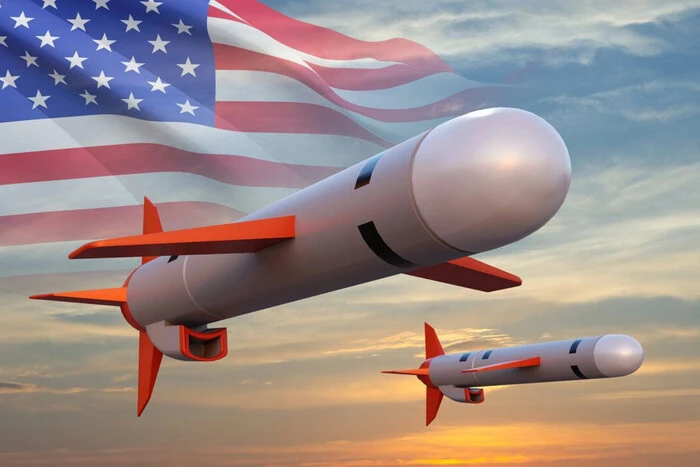
The Pentagon has put a hold on the approval of the delivery of Tomahawk long-range missiles to Germany. This move could signal a reevaluation of the security architecture that has been taking shape in Europe for nearly eight decades.
This was reported by Censor.NET, citing Politico.
Reduction of the U.S. military presence in Europe
The U.S. refusal to sell long-range missiles to Germany was not the only such move by Washington. Previously, the United States had already taken several steps in this direction:
- withdrew approximately 5,000 military personnel from Germany;
- have suspended the deployment of a U.S. unit equipped with Tomahawk missiles;
- reduced the planned deployment of strategic air and naval forces, including bombers, fighter jets, destroyers, and submarines, as part of NATO support.
How does the Pentagon explain this decision?
The Pentagon explains these steps as an effort to balance the contributions of the United States and European countries to the continent’s defense system.
The decision to potentially block the supply of Tomahawk missiles may signal a broader trend. The U.S. is not only gradually reducing its military presence in Europe but also limiting its allies’ access to high-precision long-range weapons, given the risk of escalation from Russia.
Changing Approaches to Security Between the U.S. and the EU
Ultimately, this appears to be a gradual divergence in the approaches to security between the United States and European countries.
Back in 2019, the Trump administration withdrew from the relevant international agreement, accusing Russia of violating it. Following this, NATO began exploring options for deploying its own long-range systems.
Tomahawk missiles were viewed as a temporary solution until European countries developed their own similar systems. Now, however, this temporary arrangement is once again in question.
Previously, Washington had also expressed concerns about the lack of involvement by its allies in supporting U.S. operations in the Middle East.
Europe is developing its own long-range weapon systems
At the same time, European countries are actively increasing their defense budgets and developing their own long-range strike systems, some of which may have dual-use capabilities. These systems will be sovereign, and decisions regarding their use will be made without U.S. involvement.
Thus, this is not about weakening Europe, but about a gradual transition to a model in which the security of the U.S. and the EU is no longer viewed as a completely shared space.


