



Poland will "fight for its interests" during negotiations on Ukraine’s accession to EU
The Polish government has stated that the launch of the first EU negotiation clusters is merely the beginning of a lengthy process, during which Poland will consistently lobby for its own economic and political interests by imposing formal requirements on Ukraine and Moldova.
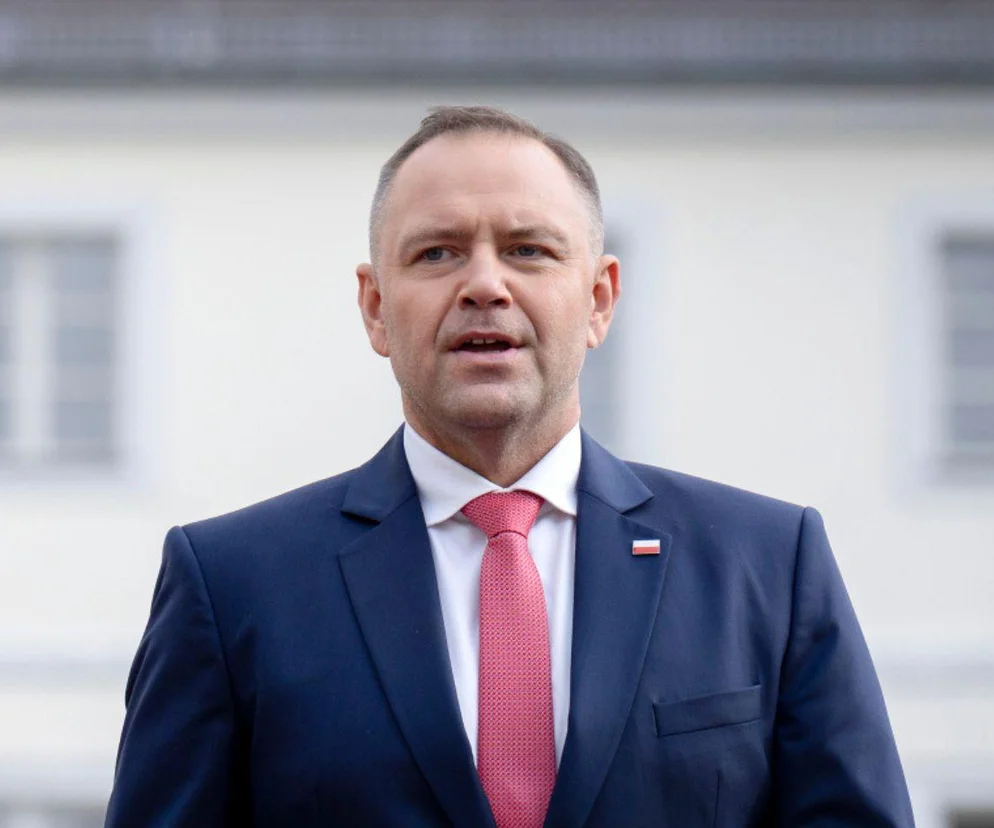
This was stated by Ignacy Nemczycki, Poland’s State Secretary for European Affairs, on the sidelines of the EU General Affairs Council meeting in Luxembourg on 16 June, according to Censor.NET, citing "EP".
Formal requirements rather than political favours
A Polish government official, commenting on the EU Council’s decision to launch negotiations with Ukraine and Moldova, called for a sober assessment of Brussels’ negotiation process.
"Yesterday we launched the first clusters with Ukraine and Moldova. I believe this is a very important milestone. But I also want to make it very clear that this is not the end of the negotiations. It is only the beginning", emphasised Poland’s Secretary of State.
Nemczycki explained the legal essence of the new stage of European integration: the opening of thematic chapters is not merely a declaration of intent, but the official presentation to the candidate countries of a list of mandatory conditions.
"The opening of the clusters means that we are formally setting out the conditions that states must meet. This is precisely the moment when we set out formal requirements for the candidates... Of course, in these negotiations we will fight for our interests," the Polish official concluded.
What interests are we talking about?
- Although Nemczycki did not specify a particular list of conditions, the Polish media and experts in the field note that Warsaw will prioritise protecting its agricultural sector, logistics market, transport sector, and environmental regulations, in an effort to shield its own producers from Ukrainian competition.
- It should be recalled that earlier, the Hungarian Prime Minister, Péter Magyar, also stated that he had agreed to the opening of the first cluster for Ukraine only after Kyiv had officially committed to fulfilling Budapest’s requirements regarding national minorities in Transcarpathia.


