ENG




10539 visitors online
Ukraine's journey towards EU membership is gaining significant attention as it navigates political challenges and pushes for rapid accession. Sweden and other European nations have voiced support for full membership, rejecting Germany's associate membership proposal. Ukrainian and Hungarian officials are engaged in dialogues to smoothen negotiations. Meanwhile, European Council advocates advancing Ukraine's EU integration, emphasizing the necessity of opening the first negotiation cluster promptly. Moreover, although the EU plans to bestow pre-accession benefits due to postponed full membership, debates continue over Ukraine's timeline and partial accession strategies. These discussions underline the geopolitical weight of Ukraine's EU aspirations.
What are the main hurdles in Ukraine's EU membership bid?
Despite substantial progress, Ukraine faces several challenges in its EU membership bid. Key obstacles include political resistance from some EU member states, necessary reforms in Ukrainian governance, and geopolitical tensions. Germany and France, for instance, propose symbolic membership steps without full rights, reflecting the complexity of broader support within the Union. Furthermore, Hungary's conditions tied to minority rights add another layer of negotiation. Overall, achieving consensus across the EU and aligning Ukraine's policies with EU standards remain significant hurdles.
How is the EU assisting Ukraine in the accession process?
The EU is providing Ukraine with substantial support as it works towards meeting accession criteria. Initiatives include financial aid linked to reform implementation and the drafting of pre-accession agreements to facilitate market access. Recently, the EU earmarked €90 billion in support, aiming to underpin Ukraine's reform efforts. Additionally, ongoing consultations between European leaders and Ukrainian officials are fostering a collaborative environment to streamline negotiations, although the path remains politically sensitive.
What role does the European Council play in Ukraine's EU membership process?
The European Council plays a pivotal role in Ukraine's EU membership aspirations by guiding and facilitating discussions among member states. It fosters diplomatic dialogues and sets strategic priorities necessary for accession. Initiatives led by Council President António Costa emphasize opening negotiation clusters essential for accession talks, even amid existing resistance. The Council's involvement underscores the political dimension of EU enlargement and the importance of aligning member states on Ukraine's future within the Union.
Why is rapid EU accession seen as crucial by Ukrainian leaders?
Ukrainian leaders view rapid EU accession as vital for multiple reasons, primarily security and economic stability. Membership is perceived as a geopolitical safeguard against Russian aggression, ensuring long-term peace and alliance with Western democracies. Economically, EU integration promises access to European markets and development programs essential for Ukraine's recovery and growth. President Zelenskyy often highlights these factors, advocating for an expedited process despite inherent challenges within the EU's political landscape.
What economic implications does Ukraine's potential EU membership hold?
Ukraine's potential EU membership carries substantial economic implications for both Ukraine and the Union. For Ukraine, it promises integration into the EU market, access to structural funds, and investment influx, vital for accelerating economic reforms and growth. Conversely, the EU anticipates a strengthened partnership in Eastern Europe, enhancing regional stability and leveraging Ukraine’s economic potential. However, transitional challenges include aligning Ukraine's regulatory and economic frameworks with EU standards, necessitating significant reform efforts.
How is the topic of minority rights affecting Ukraine's EU accession negotiations?
Minority rights issues, particularly concerning the Hungarian minority in Ukraine's Zakarpattia region, are influential in accession negotiations. Hungary has made extending equal rights to this minority a precondition for supporting Ukraine’s candidacy, spotlighting the importance of human rights within EU criteria. Negotiations now involve addressing these rights while balancing national interests and international dialogue, reflecting the intricate relationship between political negotiation and minority protection in the accession framework.
What are some proposed solutions to speed up Ukraine's accession to the EU?
To expedite Ukraine's accession to the EU, proposals include initiating two-stage accession processes and granting pre-accession benefits, such as market access, without full member voting rights. These measures are designed to facilitate integration while satisfying EU internal thresholds. Additionally, accelerating reform implementation within Ukraine and ensuring political alignment among EU members are crucial strategies, as these address the multifaceted nature of enlargement and underline the drive for a united geopolitical front.
What is the significance of negotiation clusters in Ukraine's EU accession process?
Negotiation clusters play a critical role in structuring Ukraine's EU accession dialogue, focusing on specific policy areas requiring alignment with EU standards. Completing preparations for these clusters is seen as a significant milestone, signifying Ukraine’s readiness to proceed with detailed talks. Each cluster addresses areas such as judiciary reform, economic policies, and human rights, reflecting comprehensive criteria that form the backbone of accession conditions and the integration process's rigor.
News EU membership
 Opening of clusters 2 and 3 for Ukraine postponed until September due to Hungary’s position Today, July 22, during a meeting of the Council of the EU Working Party on Enlargement (COELA), Hungary refused to approve the screening results for negotiating clusters 2 and 3 for Ukraine and Moldova. The next attempt is scheduled for September 1. 1 388 11 Previously in trend: Ukraine’s Membership in the EU
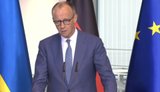 "Abandoning prospect of Ukraine’s membership of European Union would be betrayal of Ukrainian people," - Merz Every effort must be made to bring Russia’s war against Ukraine to an end, but this must not close the door on Ukraine’s prospects of membership of the European Union. 1 162 11 Previously in trend: Ukraine’s Membership in the EU
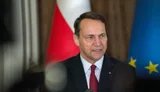 Polish Foreign Minister Sikorski on glorification of Bandera in Ukraine: For us, it is as if monuments to Himmler stood in Germany Polish Foreign Minister Radosław Sikorski compared the glorification of Stepan Bandera in Ukraine to the erection of monuments to Nazi leaders Heinrich Himmler or Hermann Göring in modern Germany. 26 262 101 Previously in trend: Ukraine EU accession Poland and Ukraine relationship
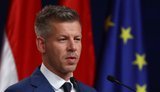 Hungary agrees to opening sixth cluster in Ukraine’s talks with EU – media Hungary has agreed to the opening of the sixth cluster on external relations in the negotiations on Ukraine’s and Moldova’s accession to the European Union. 1 168 6 Previously in trend: Ukraine’s Membership in the EU
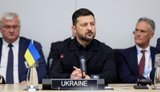 Zelenskyy on opening clusters with EU: Ukraine survived Orban and did not compromise its dignity President Volodymyr Zelenskyy declared that Ukraine’s path to the European Union is irreversible. Commenting on the fall of Viktor Orbán’s pro-Russian government in Hungary, the head of state emphasized that Ukraine "survived Orbán" without compromising its dignity. 2 456 28 Previously in trend: Ukraine’s Membership in the EU Hungary’s position on Ukraine’s EU membership
 EU sees that Ukraine is ready to fulfill all conditions for accession, - Ambassador Maternova The EU is convinced that Ukraine is ready to meet all the conditions for accession to the European Union. 464 8 Previously in trend: Ukraine EU accession
 Poland will "fight for its interests" during negotiations on Ukraine’s accession to EU The Polish government has stated that the launch of the first EU negotiation clusters is merely the beginning of a lengthy process, during which Poland will consistently lobby for its own economic and political interests by imposing formal requirements on Ukraine and Moldova. 2 481 42 Previously in trend: Ukraine’s Membership in the EU Poland and Ukraine relationship
 European Union has opened first negotiation cluster on accession of Ukraine and Moldova On 15 June, all the countries of the European Union agreed to open the first round of negotiations on the accession of Ukraine and Moldova to the bloc. 2 025 15 Previously in trend: Ukraine’s Membership in the EU
Hungary has agreed to start of Ukraine’s negotiations with EU following agreement on protection of national minorities, – Magyar Hungary agreed to the start of substantive negotiations on Ukraine’s membership of the European Union only after Kyiv had officially incorporated the requirements regarding the protection of the rights of Hungarians in Transcarpathia into the EU Action Plan. 3 524 40 Previously in trend: Ukraine’s Membership in the EU Hungary’s position on Ukraine’s EU membership
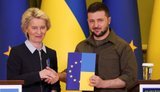 Ukraine is doing what is necessary, and it is important that EU keeps its word, - Zelenskyy on accession talks Ukraine and the EU have begun the practical part of the negotiation process by opening the first fundamental cluster of accession talks. President Volodymyr Zelenskyy welcomed this decision, calling it a show of political and moral support for our society. 1 351 19 Previously in trend: Ukraine’s Membership in the EU
 EU will officially begin accession negotiations for Ukraine on 15 June, – von der Leyen All European Union member states have backed the start of accession talks for Ukraine and Moldova. The talks are set to begin on 15 June. 2 057 15 Previously in trend: Ukraine’s Membership in the EU
First cluster regarding Ukraine’s accession to EU could be opened on 15 June, - Kachka It is realistic to expect all six clusters to be opened during Ukraine’s EU accession negotiations this summer. 1 244 16 Previously in trend: Ukraine’s Membership in the EU
 There are expectations that Ukraine may open all negotiation clusters with EU next month, - Kachka During July, Ukraine may open all negotiation chapters on accession to the European Union. 888 21 Previously in trend: Ukraine’s Membership in the EU
 Ukraine’s place is in EU and NATO. Negotiation clusters should be opened as early as this summer, - Estonian President Karis. VIDEO Estonian President Alar Karis has expressed his support for Ukraine’s bid to join the EU and NATO. 637 3 Previously in trend: Ukraine’s Membership in the EU
 Ukraine is fulfilling its commitments on path to EU even during war, - European Commissioner Kos Despite the full-scale war, Ukraine continues to fulfill the commitments it has made as an EU candidate country. 411 1 Previously in trend: Ukraine’s Membership in the EU
 Hungary lifts 17-month veto on start of Ukraine’s EU accession talks - FT The new government of Hungary has agreed to unblock the progress of Ukraine and Moldova's applications for EU membership. 2 530 54 Previously in trend: Ukraine’s Membership in the EU
 55% of Ukrainians believe that government is not doing its "homework" for EU accession, - poll. INFOGRAPHICS More than half of Ukrainians believe that the government is not doing enough—or is not doing anything at all—to prepare the country for EU accession. 655 11 Previously in trend: Ukraine’s Membership in the EU
35.6% of Ukrainians believe that progress towards EU membership is hindered by corruption in government bodies, - poll. INFOGRAPHICS Ukrainians consider issues related to public administration and corruption to be the key obstacles to EU membership. 816 22 Previously in trend: Ukraine’s Membership in the EU Corruption in Ukraine
 EU may open first negotiating cluster with Ukraine and Moldova on 15 June, Politico says On 15 June, the European Union may open the first cluster in accession talks with Ukraine and Moldova. 819 1 Previously in trend: Ukraine’s Membership in the EU
 Merz backs launch of talks on Ukraine’s accession to European Union German Chancellor Friedrich Merz has backed the start of negotiations on the first cluster of Ukraine’s accession to the European Union. He said disputes between Kyiv and Budapest should not affect the process and should be resolved separately. 3 026 34 Previously in trend: Ukraine’s Membership in the EU
 No alternative can replace Ukraine’s full EU membership, Swedish Foreign Ministry says Germany’s proposal for Ukraine’s associate membership in the EU cannot replace full accession to the bloc. 747 1 Previously in trend: Ukraine’s Membership in the EU
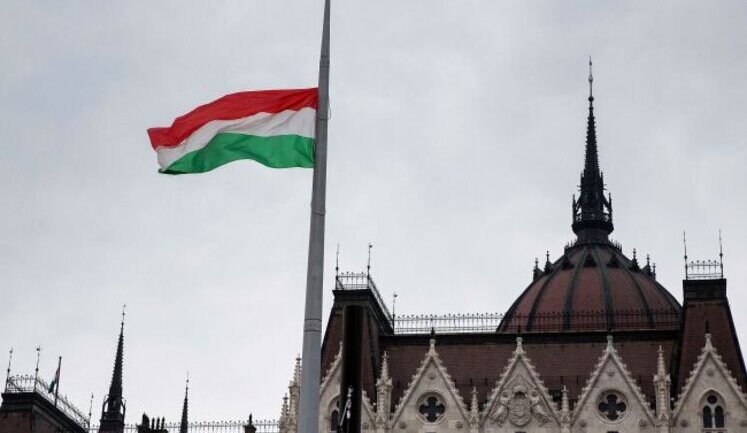
Hungarian Prime Minister Magyar has set condition for Ukraine regarding opening of first cluster of EU accession negotiations Granting the Hungarian minority in Zakarpattia rights equivalent to those enjoyed by national minorities in EU countries is a prerequisite for Budapest’s consent to the launch of the first cluster in the pre-accession negotiations between Kyiv and the EU. 12 184 91 Previously in trend: Ukraine’s Membership in the EU Hungary’s position on Ukraine’s EU membership
 Ukraine and Hungary have started expert consultations, there is momentum for improving relations, - Sybiha Ukraine and Hungary have begun consultations at the expert level. 569 4 Previously in trend: Relations between Ukraine and Hungary
 In Anti-Corruption Strategy, Cabinet of Ministers spat on key Euro-integration promises – "Servant of People" Radina The Cabinet of Ministers did not include the reform of the prosecutor general's appointment and an independent contest for electing the head of the State Bureau of Investigation into the draft law on the Anti-Corruption Strategy of Ukraine. 4 018 25 Previously in trend: Ukraine EU accession
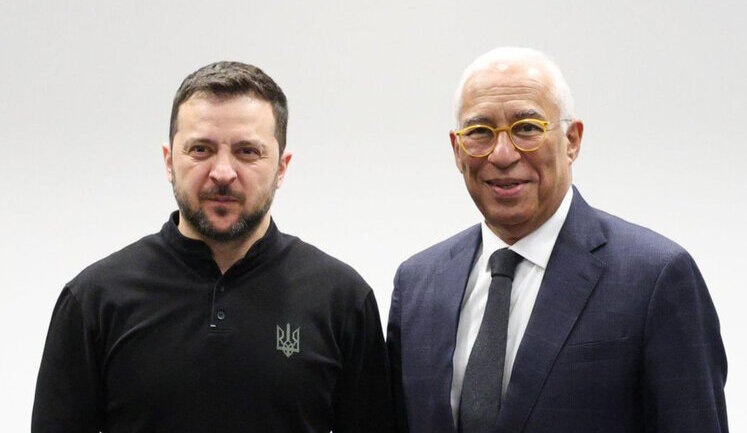
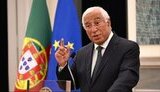 We need to push forward process of Ukraine’s accession to EU and open first negotiation cluster as soon as possible, — Costa European Council President António Costa called on the European Union to open the first chapter in Ukraine’s EU accession negotiations as soon as possible. 589 8 Previously in trend: Ukraine’s Membership in the EU
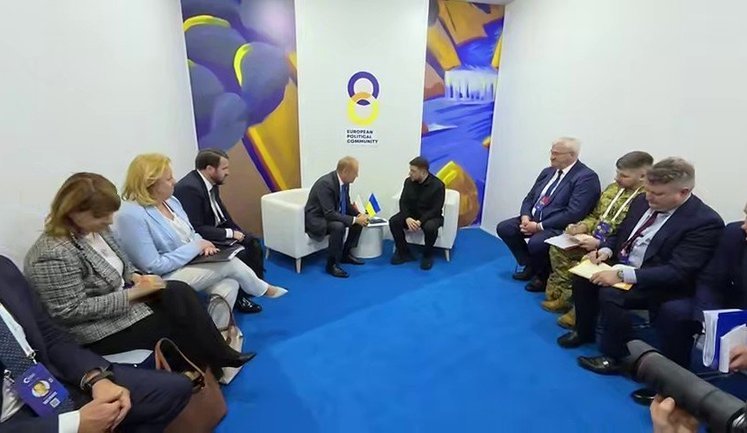
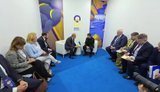 Zelenskyy and Tusk discussed peace talks and Ukraine’s European integration. VIDEO President Volodymyr Zelenskyy held a meeting with Polish Prime Minister Donald Tusk. 700 8 Previously in trend: Poland and Ukraine relationship Zelenskyy–Tusk meeting
 European Union is preparing pre-accession benefits for Ukraine due to its delayed membership, - Politico The European Union is developing a model for Ukraine’s gradual integration, granting access to the EU market and programs without voting rights, as full membership has been postponed. 2 170 16 Previously in trend: Ukraine EU accession
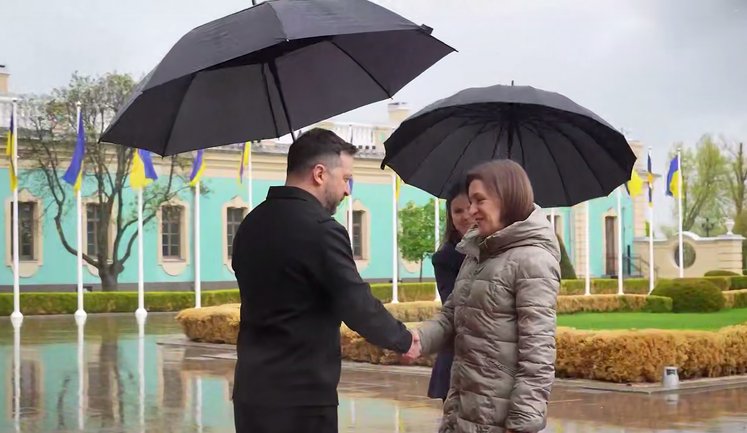
 Zelenskyy and Sandu discussed EU accession and regional security. VIDEO The President of Ukraine, Volodymyr Zelenskyy, is delighted to welcome the President of Moldova, Maia Sandu, to Ukraine. 1 738 5 Previously in trend: Relations between Ukraine and Moldova
 We need EU, and EU really needs Ukraine; we must all step up our efforts, – Zelenskyy President Volodymyr Zelenskyy emphasized that everyone in Europe understands that Ukraine must be granted EU membership as soon as possible. 2 526 93 Previously in trend: Ukraine’s Membership in the EU
Rapid EU accession for Ukraine is impossible, but formats without voting rights exist – Merz German Chancellor Friedrich Merz believes there are currently no prospects for Ukraine’s "immediate accession" to the European Union, but suggested involving Kyiv in the work of EU institutions without voting rights. 3 306 38 Previously in trend: Ukraine’s Membership in the EU
 Negotiations on Ukraine’s accession to EU could begin in coming weeks, - Bloomberg Negotiations on Ukraine's accession to the European Union could begin as early as the coming weeks. 1 310 8 Previously in trend: Ukraine’s Membership in the EU
 We should prepare for launch of first negotiation clusters on Ukraine’s accession to EU, - Costa European Council President António Costa believes that following the unblocking of a €90 billion loan and the 20th package of sanctions against Russia, the next step could be the launch of the first round of negotiations on Ukraine’s accession to the EU. 1 186 12 Previously in trend: Ukraine’s Membership in the EU
Next step is formal opening of first cluster of negotiations on Ukraine’s accession to EU – Costa President of the European Council António Costa has said that after the approval of the €90 billion loan for Ukraine and the 20th package of sanctions against Russia, it is time to prepare the next step. 1 600 18 Previously in trend: Ukraine’s Membership in the EU
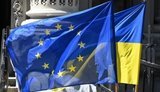 Germany and France are proposing options for Ukraine’s ’symbolic’ EU membership, — FT France and Germany plan to grant Ukraine "symbolic" privileges in the run-up to accession to the European Union, which exclude Kyiv's access to the bloc's budget and voting rights. 4 551 58 Previously in trend: Ukraine’s Membership in the EU
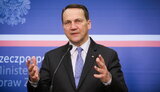 Poland is against Ukraine’s accelerated accession to EU, - Sikorski Poland’s Foreign Minister Radosław Sikorski does not support the idea of Ukraine’s accelerated accession to the European Union. 3 621 68 Previously in trend: Ukraine EU accession
 Kos expects "new impetus" for Ukraine’s accession to EU following Orbán’s defeat in elections The defeat of Hungarian Prime Minister Viktor Orbán in the April 12 elections could provide a "new impetus" to the issue of Ukraine's accession to the European Union. 932 6 Previously in trend: Ukraine’s Membership in the EU Elections in Hungary
 "From very beginning, we have said that we do not support Ukraine’s accelerated accession to EU," — Magyar Hungary's future prime minister, Péter Magyar, has stated that he does not support Ukraine's accelerated accession to the European Union. 9 845 59 Previously in trend: Ukraine’s Membership in the EU Elections in Hungary
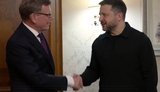 Zelenskyy and Wadephul discuss Ukraine’s path to EU membership. VIDEO President Volodymyr Zelenskyy held a meeting with German Foreign Minister Johann Wadephul, during which they discussed in detail Ukraine’s progress towards EU membership. 1 170 6 Previously in trend: Ukraine’s Membership in the EU
 Clear date for Ukraine’s accession to EU is guarantee of Russia’s defeat, — Zelenskyy Russia is doing everything in its power to prevent Ukraine from joining the European Union, as this would mean its defeat. 1 851 32 Previously in trend: Ukraine’s Membership in the EU
Ukraine’s accession to European Union by 2027 is impossible, — European Commissioner Kos Marta Kos, the European Commissioner for Enlargement, believes that Ukraine will not become a member of the bloc until 2027. 2 615 48 Previously in trend: Ukraine’s Membership in the EU
Ukraine has received full set of accession criteria from EU, - Svyrydenko Today, March 17, the Ukrainian delegation in Brussels received the European Union’s conditions for accession regarding the final three negotiation clusters. 2 138 10 Previously in trend: Ukraine’s Membership in the EU
 European Union must accelerate pace of enlargement, — Kallas The European Union must accelerate the process of incorporating new member states into the bloc. 1 181 2 Previously in trend: Ukraine’s Membership in the EU
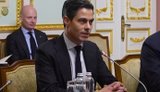 Netherlands will discuss realistic terms for Ukraine’s accession to EU with its European partners, — Prime Minister Jetten In the coming weeks and months, European partners will need to discuss what realistic deadlines exist for Ukraine's accession to the European Union. 1 678 19 Previously in trend: Ukraine’s Membership in the EU
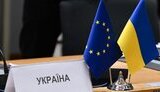 EU countries have rejected idea of "advance accession" for Ukraine, - Politico Most European Union countries did not support the idea of granting Ukraine so-called "advance accession" or "reverse" membership as part of the current peace talks, fearing that such a reform would undermine confidence in the accession process. 4 568 109 Previously in trend: Ukraine’s Membership in the EU
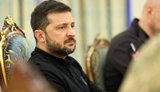 Ukraine’s accession in 2027 is benchmark for Zelenskyy, not for Brussels, — European Commission The European Union cannot set a date for Ukraine's accession. 2 893 24 Previously in trend: Ukraine’s Membership in the EU
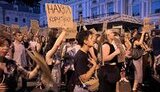 Ukraine has still not restored EU trust after attack on NABU and SAPO independence, European Commissioner Kos says European Commissioner for Enlargement Marta Kos has said that trust-related problems on the part of the European Union toward Ukraine over the attack on NABU and SAPO in the summer of 2025 still persist. 3 376 47 Previously in trend: Abolition of NABU and SAPO independence
 EU cannot yet provide Ukraine with specific date for joining bloc – von der Leyen European Commission President Ursula von der Leyen stated that it is currently impossible to set a specific date for Ukraine's accession to the European Union. 2 269 83 Previously in trend: Ukraine’s Membership in the EU
Idea of Ukraine’s "political accession" to EU in 2027 exists, - Dombrovskis The European Commission has a plan that could grant Ukraine partial EU membership as early as 2027. 1 258 16 Previously in trend: Ukraine’s Membership in the EU
Page 1 of 12
more news