



Entire U.S. Senate was invited to meeting with Zelenskyy to discuss new package of sanctions against Russia, - Hill
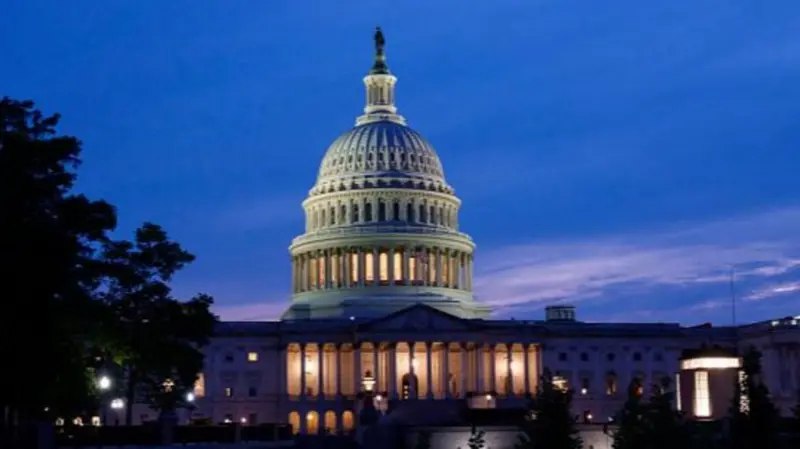
The entire US Senate was invited to take part in talks with the President of Ukraine, Volodymyr Zelenskyy, during discussions on a new package of anti-Russian sanctions.
This is reported by Censor.NET, citing a source from The Hill.
Zelenskyy’s visit to the US
The Head of State’s visit to the United States is linked, in particular, to the farewell ceremony for Republican Senator Lindsey Graham, who died suddenly of an aortic rupture shortly after his trip to Kyiv. During his lifetime, he actively lobbied for restrictions on the Russian energy sector, and Congress is currently seeking to pass his final sanctions bill as a mark of respect for his late colleague.
What led up to it?
- It was previously reported that the President of Ukraine plans to visit the United States next week, during which he is due to meet with US President Donald Trump.
- It later emerged that Trump will meet with Zelenskyy on 28 July: the White House has confirmed the talks.
- Zelenskyy is currently in the US.
The Graham-Blumenthal Bill
The Graham-Blumenthal Bill (Sanctioning Russia Act) is a cross-party initiative by US Republican Senator Lindsey Graham and Democratic Senator Richard Blumenthal, aimed at significantly increasing economic pressure on Russia and its trading partners. Following Graham’s death, his co-authors are continuing to push the bill forward.
Key provisions of the draft bill:
- the imposition of sanctions against the Russian Federation’s leadership, state-owned banks, the energy sector and the so-called ‘shadow fleet’;
- granting the US President the power to impose secondary tariffs of up to 100 per cent on countries that continue to purchase significant volumes of Russian oil, gas and other energy resources. The initial version referred to 500 per cent, but following negotiations, the document was amended to a maximum of 100 per cent;
- Provision is made for the President to temporarily defer the application of certain sanctions or duties if this is in the national interest of the United States.


