



Courts overturn TCR decisions: illegal mobilization of those on reserve list, fines, and entries in "Oberig" system
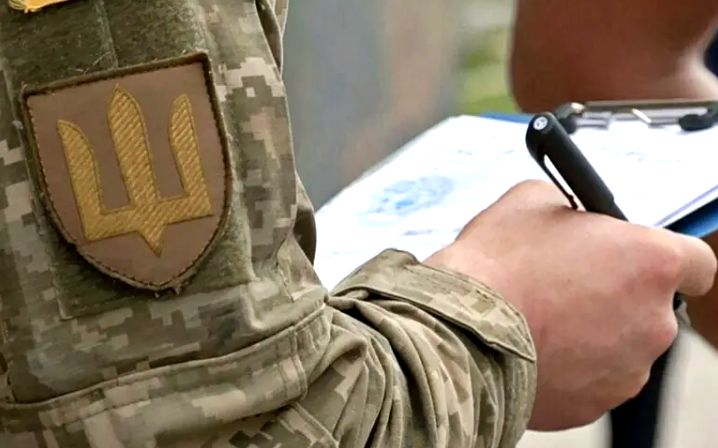
In August, Ukrainian courts issued a series of rulings in disputes between citizens and territorial recruitment and social support centers. In particular, the courts annulled the conscription of individuals who were entitled to deferment, overturned fines for violations of military registration rules, and ordered the removal of unlawful entries from the "Oberig" registry.
According to Censor.NET, this is detailed in a review of judicial practice published by the "Judicial and Legal newspaper.
Court overturns mobilization of man with valid reservation
In one case, the Khmelnytskyi TCR mobilized the head of a religious community who had an official reservation recorded in "Reserve+."
The TCR argued that the man should have independently asserted his right to a deferment during his visit. The Seventh Administrative Court of Appeals disagreed with this position.
The court concluded that the right to a deferment does not depend on the submission of a separate application if the necessary information is already contained in state registries.
As a result, the draft order was revoked, and the military unit was ordered to remove the man from the personnel roster and discharge him from service.
In another case, the court ruled that the conscription of a man who had been removed from military registration as early as 1997 due to health reasons was unlawful. Despite the corresponding entry in his military ID, he was re-registered and conscripted in 2024.
The court found that the TCR had failed to provide legal grounds for changing his military registration status and annulled the order regarding his conscription and assignment to service.
Entry in the "Oberig" registry and an attempt to restrict the right to drive
Another dispute concerned a note in the "Oberig" registry regarding a violation of military registration rules. The TCR entered this note due to the man’s alleged failure to appear in response to a summons; however, no official report was drawn up against him, and he was not held administratively liable.
The Third Administrative Court of Appeal ruled that the TCR’s refusal to remove this information was unlawful and ordered the entry to be deleted from the registry. The court also awarded the plaintiff 2,662.44 UAH in court fees.
In another case, the TCR sought a court order to temporarily revoke a conscript’s right to drive vehicles due to his failure to appear in response to a summons.
However, the courts at both levels denied the request. They noted that the failure to appear, an entry in the "Oberig" system, or the fact that the individual was wanted by the police were not sufficient grounds for such a restriction. In particular, the TCR failed to provide evidence that the man had been held administratively liable under Article 210-1 of the Code of Administrative Offenses.
A 17,000 fine was overturned due to procedural violations
In yet another case, the court overturned a 17,000 UAH fine imposed by the TCR and dismissed the administrative proceedings due to the absence of an incident and the elements of an offense.
During the hearing, discrepancies were found between the dates in Ukrposhta’s tracking records, the description of the contents, and the summons itself. According to the court’s ruling, the TCR failed to prove that the citizen had been properly notified of the need to appear.
In addition, the man’s attorney was twice denied access to the TCR premises, citing the facility’s restricted access status. The court deemed this a violation of the right to a defense.
It also emerged that the man had a valid deferment and had updated his military registration data via "Reserve+" even before the summons was issued. At the same time, he was placed on the wanted list even before the notification procedure was completed.
Thus, in the cases reviewed, the courts focused not only on the presence or absence of military service obligations but also on the TCR’s compliance with the procedures prescribed by law.


