



"There isn’t single Azov fighter in today’s prisoner exchange," Prokopenko said, calling for change in approach to securing release of prisoners
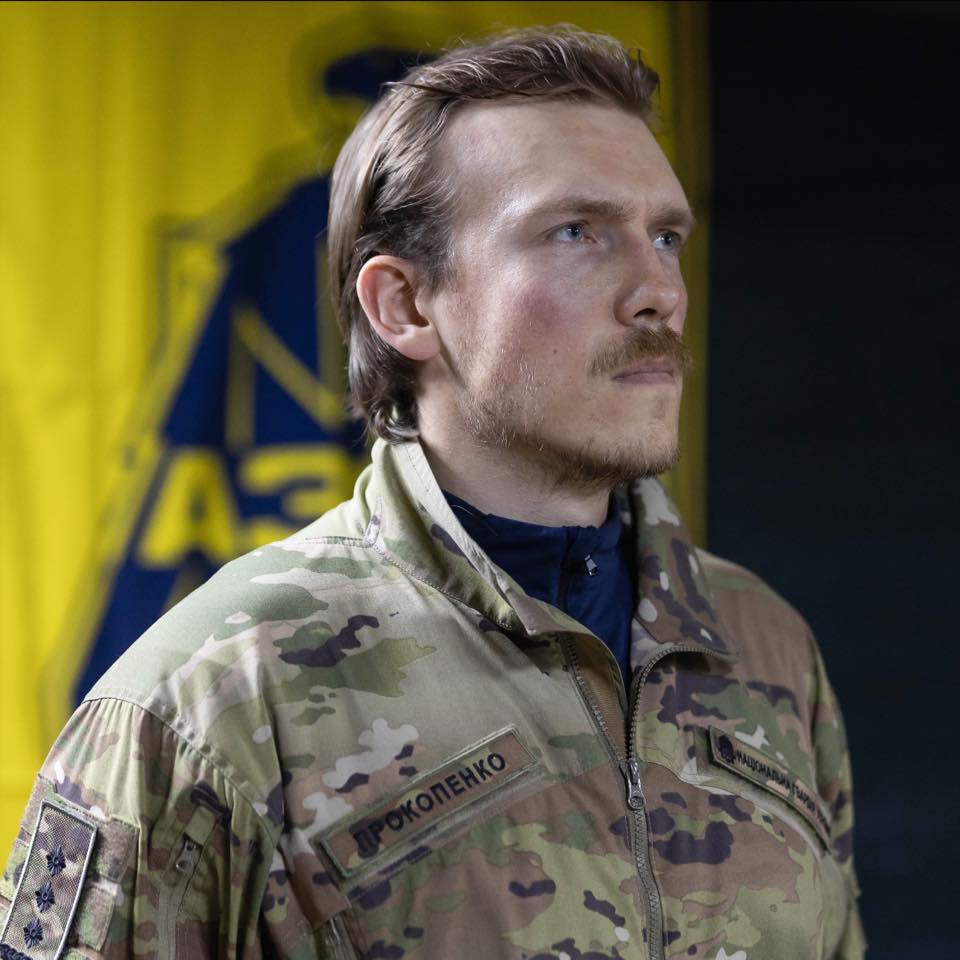
The commander of the 1st Corps of the Ukrainian National Guard, ‘Azov’, Brigadier General Denys (Redis) Prokopenko, stated that there were no ‘Azov’ fighters amongst the Ukrainians released from Russian captivity on Wednesday, 19 August.
He wrote about this on Facebook, according to Censor.NET.
The absence of Azov fighters amongst those released from captivity
"Today’s prisoner exchange does not include a single Azov soldier, nor indeed any National Guard servicemen who defended Mariupol. This means that over 600 of my comrades will continue to be subjected to torture in Russian prisons every day. Every day, they will be under immense psychological pressure. They will not receive proper medical care. They will suffer inhuman pain and hunger. And, however horrific it may sound, let us have the courage to face the truth – they will continue to die in captivity at the hands of Russian torturers," Prokopenko stated.
A call for a change in strategy
He emphasised that the existing negotiation strategies regarding prisoners of war had completely run their course. The military official called for "exploring other approaches to prisoner exchanges, and seeking new avenues and proposals".
"Priority in prisoner exchanges must be determined, first and foremost, by the length of time spent in captivity, the state of health and the specific way in which the Russians treat the prisoners. The Azov fighters have been held in Russian torture chambers for more than four years. A significant number of them are in a critical condition following injuries sustained during the terrorist attack in Olenivka, as a result of daily torture and chronic illnesses. And it is the Azov fighters whom the Russians are torturing with particular cruelty following years of demonising ‘Azov’," said Redis.
He added that more than 600 members of the Azov Special Operations Forces have been held captive by Russia for five years. In 2026, only 12 Azov members were exchanged, whilst at least three people died in captivity.
"For the fifth year running, as part of the exchange process, we have been doing the same thing, hoping each time for a different outcome," added Prokopenko.
What led up to it
Earlier, President Volodymyr Zelenskyy announced that today, 19 August 2026, another prisoner exchange took place between Ukraine and the Russian Federation.
The Joint Operations Headquarters reported that those freed from Russian captivity include soldiers, sergeants and several officers, most of whom have injuries and serious illnesses.


