



Ukraine was the first to ask South Korea not to disclose information about prisoners from North Korea, according to Seoul’s intelligence services
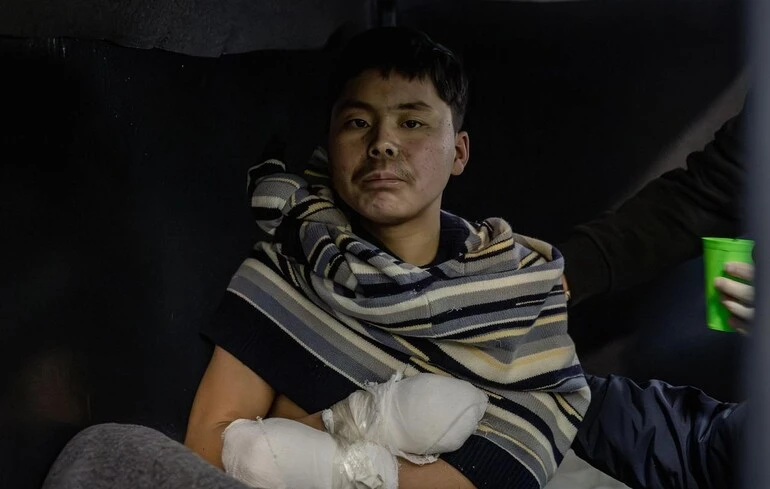
Seoul’s intelligence service reported that Ukraine was the first to request that the transfer of two North Korean prisoners of war to South Korea be kept confidential. Both countries agreed to maintain confidentiality from the very start of the transfer process.
This was announced at a briefing by South Korean MPs Yoon Geun-young and Yoo Yeon-ha, citing information from the National Intelligence Service, reportsCensor.NET, citing Yonhap.
Confidentiality of the operation
"From the very start of the negotiations, Ukraine requested strict confidentiality, citing concerns about the possible impact on future negotiations regarding the exchange of prisoners of war," Yoo Yeon-ha told journalists.
According to him, it is not known whether there were any agreements regarding the secrecy of the operation between the leaders of both countries. However, South Korean intelligence cooperated with the Ministry of Foreign Affairs regarding their handover, based on a mutual agreement that "this matter would remain confidential".
Politicians added that the two North Korean soldiers themselves arrived in South Korea in mid-September. No serious health problems were found to be affecting them.
What led up to this?
- During his address to the UN General Assembly, President Volodymyr Zelenskyy announced that Ukraine had recently handed over to South Korea two North Korean prisoners of war captured on the battlefield.
- In December 2025, two North Korean soldiers, who had been taken prisoner by Ukrainian defenders during combat operations, wrote a letter requesting permission to travel to South Korea. On 11 January 2025, it emerged that the Ukrainian military had captured two North Korean soldiers in the Kursk region of the Russian Federation.
- Subsequently, South Korea accused Zelenskyy of disclosing a secret operation involving the handover of North Korean prisoners of war.
- The Office of the President subsequently denied that Ukraine had agreed with South Korea not to disclose information about the handover of North Korean prisoners of war.
- Despite this, Seoul stated that it was demanding an apology.
- On 28 August, the South Korean Ministry of Foreign Affairs summoned Andriy Veshkin, Ukraine’s chargé d’affaires in Seoul.


