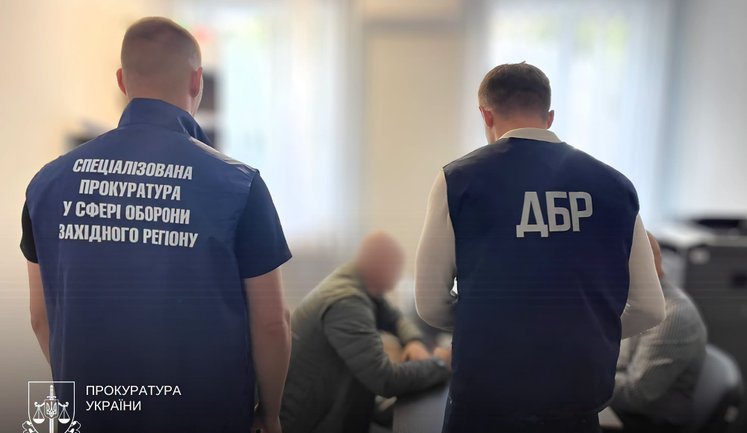
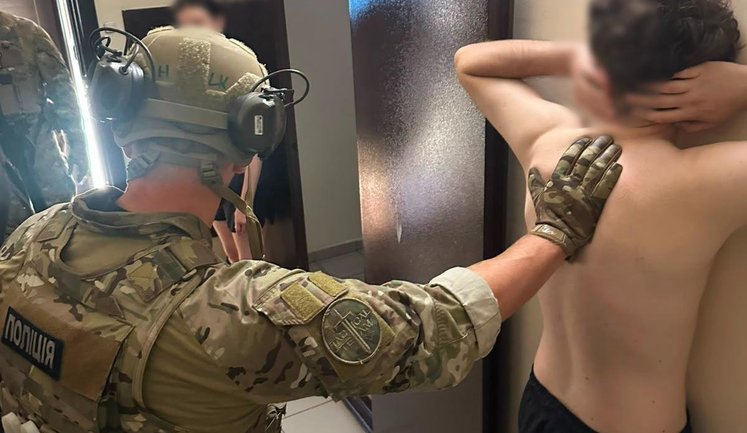
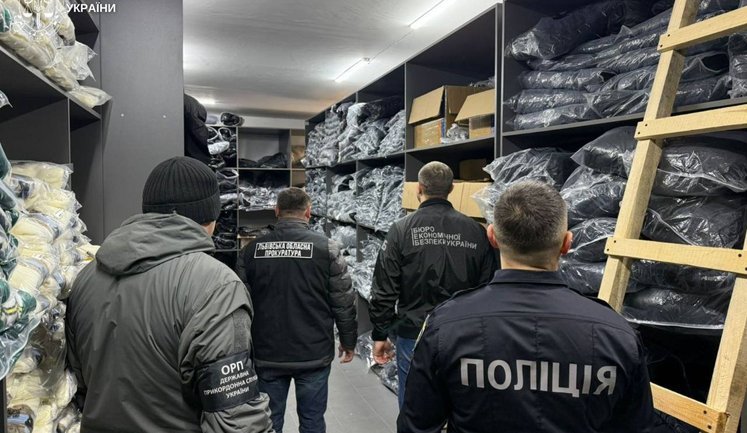
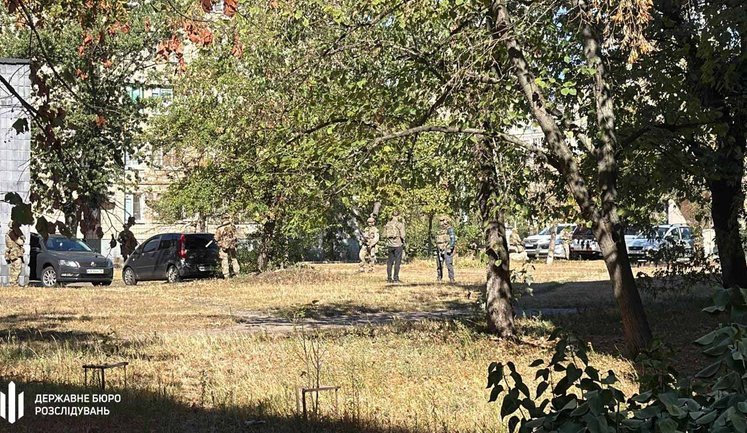
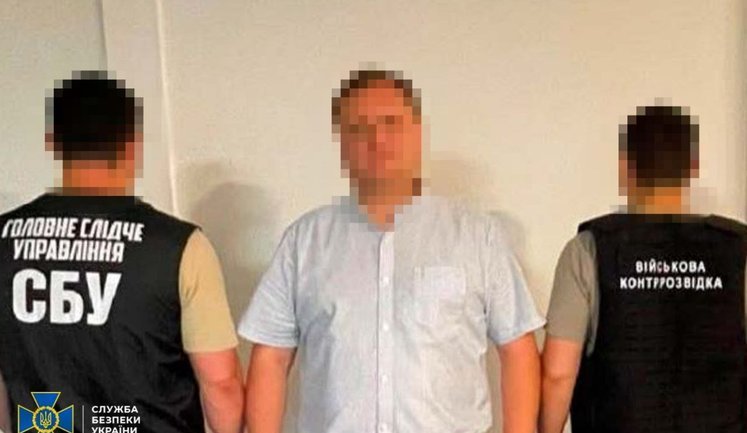
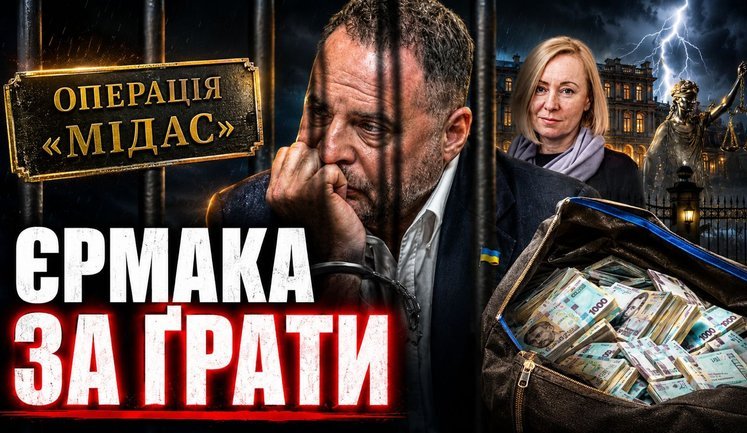
In 2026, a series of notices of suspicion have been issued in Ukraine, reflecting both domestic and international legal challenges. High-profile cases include a shootout between SSU and DIU officers, with servicemen receiving notices of suspicion. Likewise, Russian commanders implicated in attacks on journalists and a hospital have been identified. Corruption allegations continue, with notices served to various officials over illicit enrichment and misappropriation of funds. The anti-corruption efforts also target construction sector fraud and military oversight failures. Stay informed about these pivotal developments and their impact on Ukrainian society.
What is a notice of suspicion in Ukraine?
A notice of suspicion in Ukraine is a formal document issued by law enforcement agencies to inform an individual that they are suspected of involvement in a criminal activity. It marks the beginning of a criminal investigation, allowing the authorities to gather evidence and interrogate the suspect. This notice is essential for ensuring transparency and legal accountability in Ukraine's judicial processes.
How does the SSU handle cases involving military personnel?
The Security Service of Ukraine (SSU) works in close collaboration with other agencies, including the State Bureau of Investigation and the Prosecutor General’s Office, to investigate and prosecute cases involving military personnel. These cases often involve complex scenarios, such as military conflicts or allegations of unlawful actions during active duty. The SSU ensures thorough investigations to maintain justice and order within the armed forces.
What are common reasons for issuing notices of suspicion in corruption cases?
Notices of suspicion in corruption cases in Ukraine often relate to allegations of illicit enrichment, embezzling funds, abuse of power, and bribery within both governmental and private sectors. These notices serve as a deterrent against corruption and aim at promoting transparency and fairness in public and private transactions.
What are the implications of being served a notice of suspicion?
Being served a notice of suspicion has significant legal implications. It subjects the individual to a formal investigative process, which may include questioning, search and seizure of relevant materials, and restrictions on personal freedoms. Depending on the findings, it could lead to formal charges and a trial, thus affecting personal and professional reputations.
How do international military conflicts impact legal actions in Ukraine?
International military conflicts often complicate legal actions in Ukraine due to cross-border issues and the involvement of foreign nationals or entities. The Ukrainian legal system must navigate international law and diplomatic channels to hold foreign commanders and soldiers accountable for alleged crimes, ensuring justice is served while adhering to international protocols.
How are notices of suspicion publicized in Ukraine?
Notices of suspicion in Ukraine are usually publicized through official channels like press releases from law enforcement agencies and reports by media outlets. For high-profile cases, press conferences and detailed news articles provide public updates, ensuring transparency and keeping the public informed about significant legal developments.
What role does NABU play in issuing notices of suspicion?
The National Anti-Corruption Bureau of Ukraine (NABU) plays a crucial role in investigating and issuing notices of suspicion in cases involving corruption and economic crimes. Together with the Specialized Anti-Corruption Prosecutor’s Office, NABU collects evidence, interrogates suspects, and works to dismantle corruption networks, ensuring fair legal proceedings and upholding the rule of law.