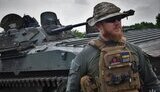
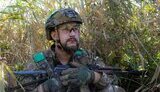
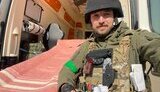
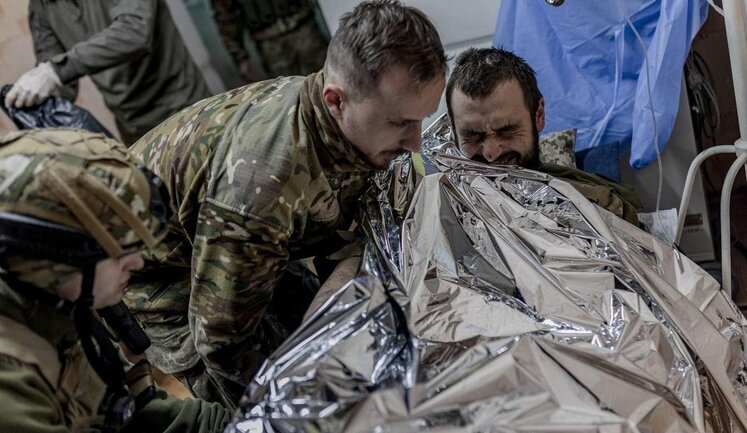
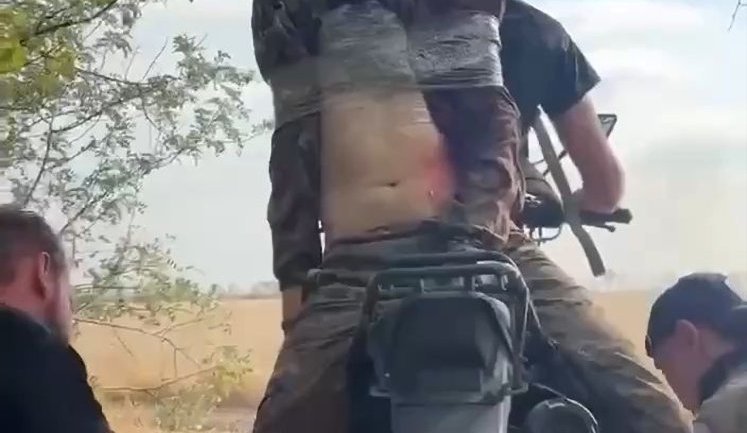
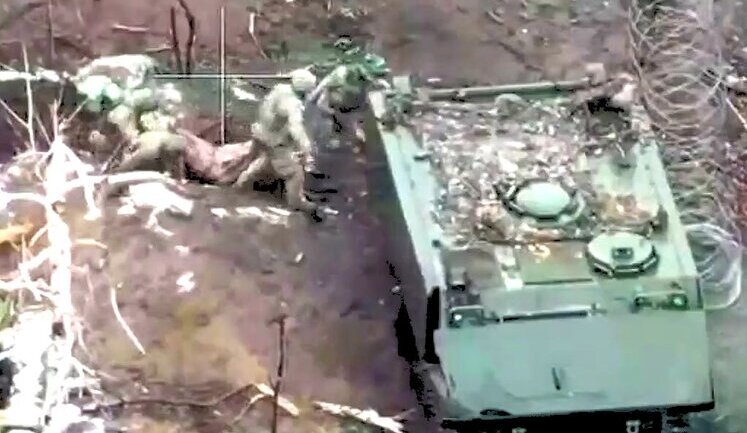
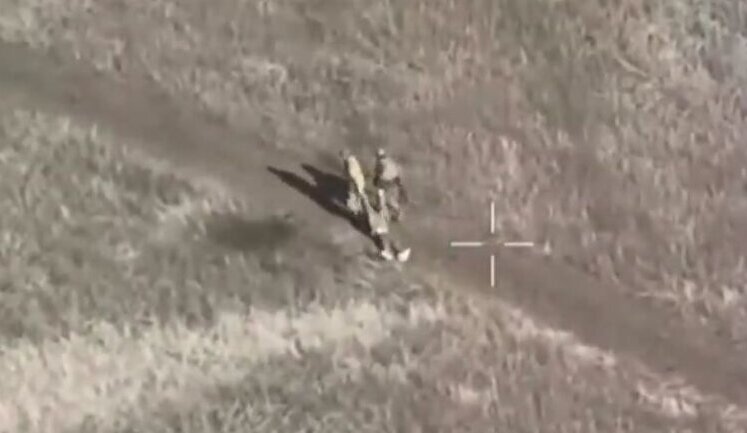
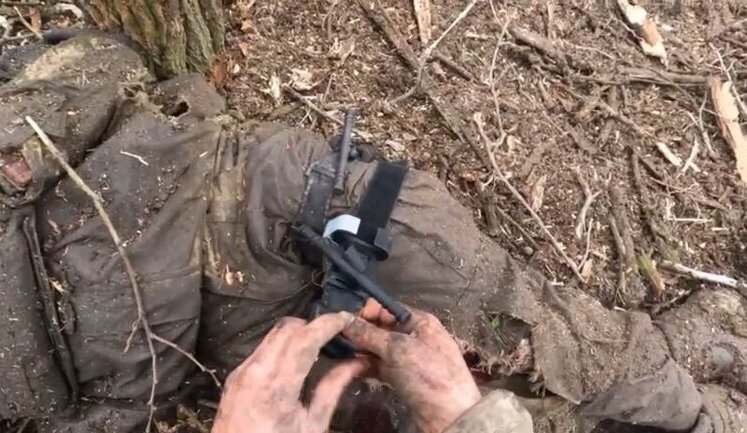
Medical help in conflict zones faces unique challenges, requiring innovative solutions to enhance care. With the ongoing war in Ukraine, significant reforms in military medicine are underway, including adopting NATO standards for battlefield medical treatment. The commander of the Armed Forces of Ukraine, Oleksandr Syrskyi, emphasizes the need for bolstered combat medic ranks to address these critical issues. Meanwhile, the Ministry of Veterans Affairs, alongside the Ministry of Health, has launched a project to provide free primary healthcare services to war veterans, ensuring their medical needs are prioritized. As the situation evolves, more than 3,000 patients have been transferred to European hospitals, illustrating the global effort to support Ukrainian healthcare.
What are the main challenges faced by medical help in conflict zones?
Medical help in conflict zones often encounters numerous challenges, including limited resources, inadequate personnel, and logistical difficulties in delivering care under fire. A key issue is the rapid evacuation and effective treatment of wounded soldiers. Conflict zones also require specialized training for medics to handle combat-related injuries, which can be complex and life-threatening. Coordinating with international partners, such as adopting NATO standards, is crucial in overcoming these hurdles and improving medical response.
How is Ukraine improving battlefield medical treatment amidst the conflict?
Ukraine is enhancing battlefield medical treatment by integrating NATO standards and real combat experiences from Ukrainian and allied medics. This updated system aims to provide more effective care under combat conditions, focusing on rapid stabilization and evacuation of injured soldiers. By adopting these advanced practices, Ukraine seeks to reduce mortality rates and improve recovery outcomes for soldiers injured in the ongoing conflict, providing them with the best available medical support.
In what ways has the Ukrainian government expanded medical care for veterans?
The Ukrainian government has expanded medical care for veterans by launching pilot projects to increase access to free primary healthcare services. Supported by the Ministry of Veterans Affairs and the Ministry of Health, these initiatives aim to address both the physical and mental health needs of veterans. This expansion includes routine check-ups, mental health support, and specialized treatments tailored to veterans' specific conditions, ensuring they receive comprehensive and holistic care after their service.
What role does international cooperation play in medical assistance to Ukraine?
International cooperation is critical in augmenting Ukraine's medical assistance efforts amidst the conflict. Through the EU Civil Protection Mechanism, over 3,000 Ukrainian patients have been transferred to hospitals across Europe for treatment. This collaboration not only alleviates the pressure on Ukraine's healthcare system but also provides patients access to advanced medical care and resources not readily available domestically. Additionally, partnerships with international military and health organizations facilitate knowledge transfer and adoption of best practices.
How are Ukrainian medics trained to handle combat-related injuries?
Ukrainian medics undergo rigorous training to prepare for combat-related injuries, focusing on swift, efficient responses to life-threatening situations. The training involves hands-on exercises simulating battlefield conditions, highlighting the importance of triage, hemorrhage control, and stabilization techniques. Courses emphasize integrating NATO medical standards, offering insights into advanced treatment protocols. Moreover, international partnerships, notably with Poland, provide opportunities for Ukrainian medics to refine their skills and learn from allied experiences.