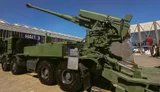
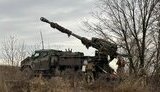
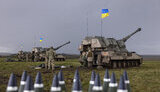
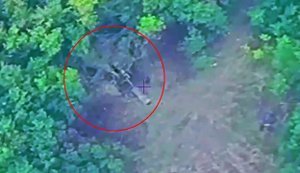
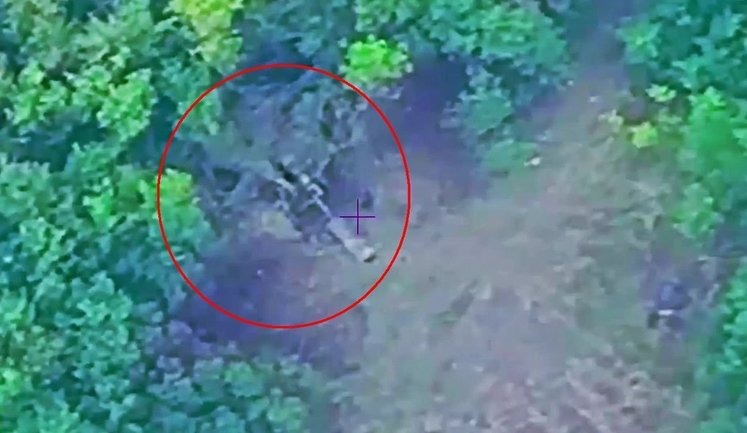
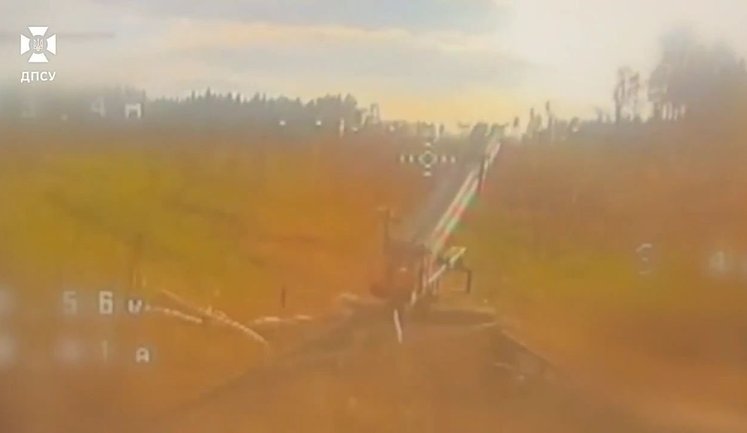
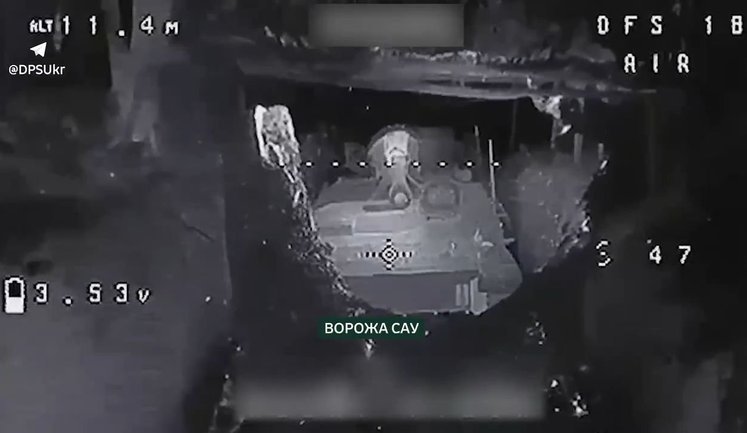
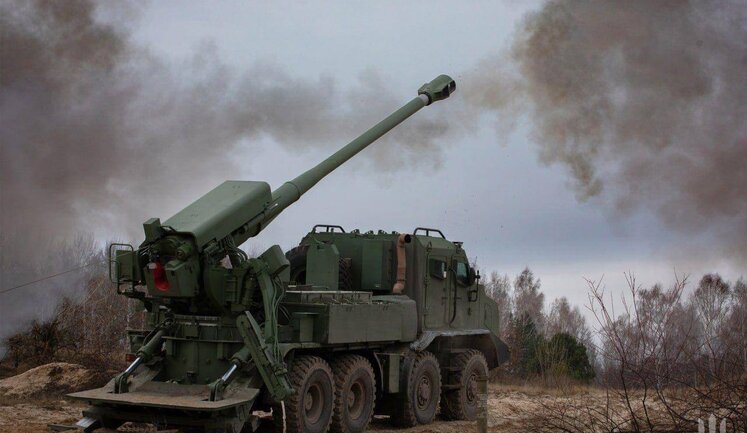
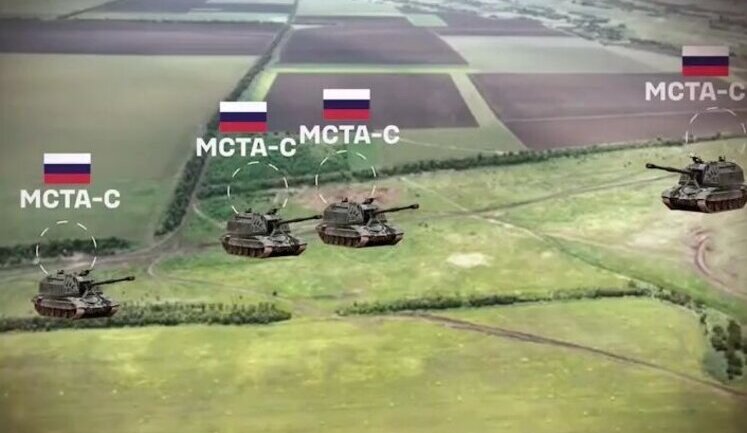
Recent reports highlight the exceptional success of Ukrainian forces in neutralizing enemy self-propelled artillery units, a critical component of modern warfare. Ukrainian drone operators continue to deliver significant damage to Russian self-propelled artillery such as the Msta-S, a howitzer known for its destructive capabilities. Using tactical drones, units like the FATUM battalion have been instrumental in these operations, showcasing advanced military strategy and technological prowess. Other notable achievements include the destruction of the 2S44 Giatsint-K system, which illustrates the ongoing evolution of aerial drone warfare in countering heavy artillery amidst challenging battlefield conditions.
What is the significance of self-propelled artillery in warfare?
Self-propelled artillery offers mobility and speed, enabling forces to deliver heavy firepower while quickly repositioning. This flexibility is crucial for modern military operations, making it a key target in any armed conflict. Destroying such assets can significantly impede an opponent's capabilities and support ground forces effectively.
How effective are drones in combatting self-propelled artillery?
Drones have proven extremely effective in identifying and neutralizing self-propelled artillery. Their ability to conduct reconnaissance and execute precision strikes makes them invaluable assets in modern military campaigns, allowing forces to minimize the enemy's artillery advantage strategically.
Which Ukrainian units are most successful against self-propelled artillery?
Several Ukrainian units have been notably effective, including the FATUM battalion and the 151st Brigade. These units leverage drone technology to target and destroy high-value artillery assets like the Msta-S and Giatsint-K, demonstrating Ukraine's capability to counterbalance the artillery threat posed by opposition forces.
What types of self-propelled artillery systems have been destroyed in the conflict?
Ukrainian drone operators have successfully destroyed various self-propelled artillery systems, including the Russian Msta-S, Akatsiya, and Giatsint-K models. These victories showcase the effectiveness of drone operations in neutralizing enemy firepower, thereby altering the dynamics of artillery warfare in the region.
What advancements in drone technology assist in destroying artillery?
Advancements in drone technology, such as improved optics and autonomous targeting systems, have enhanced precision and operational effectiveness. These technologies allow drones to conduct detailed surveillance, ensuring high accuracy when striking artillery units, which is critical for dismantling enemy positions and artillery capabilities.