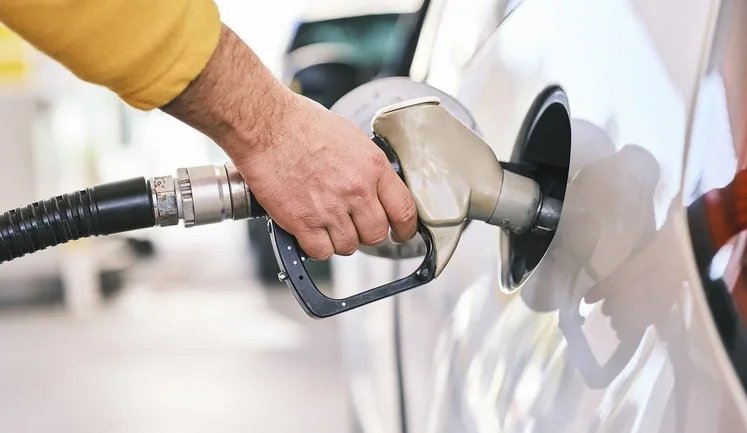
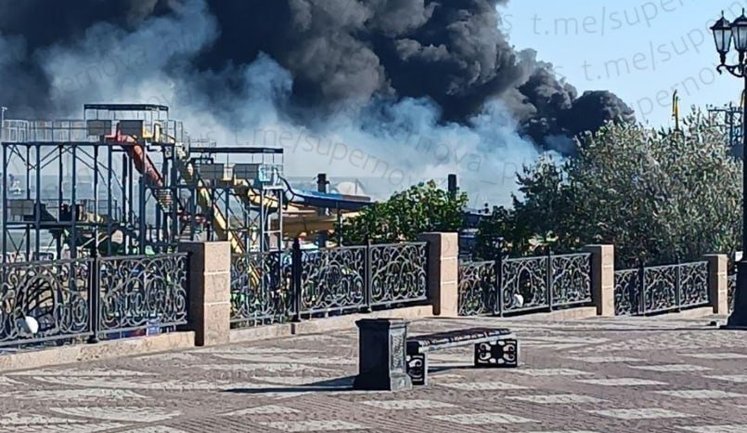
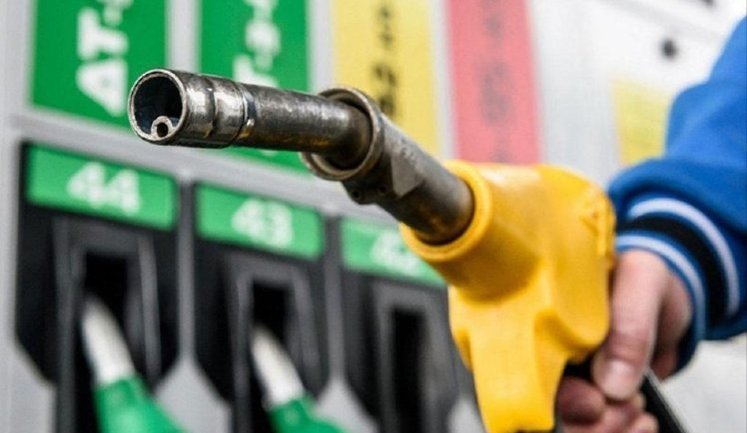
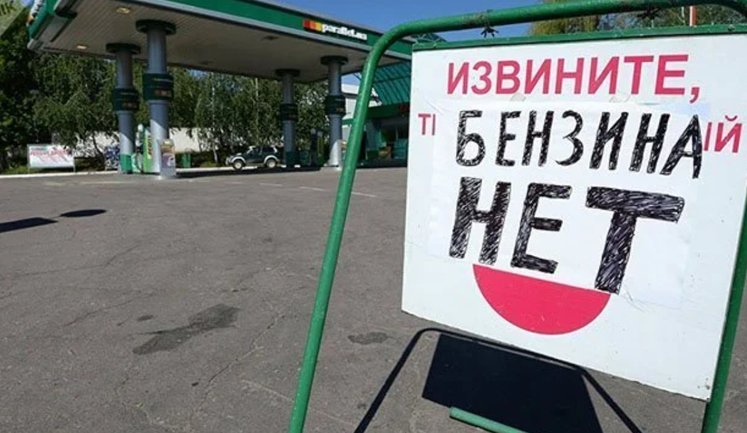
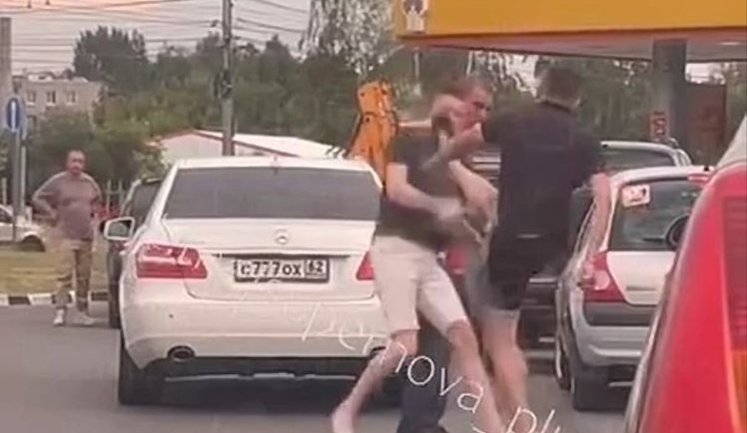
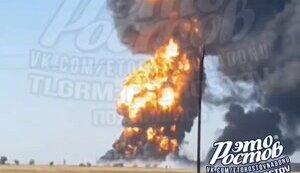
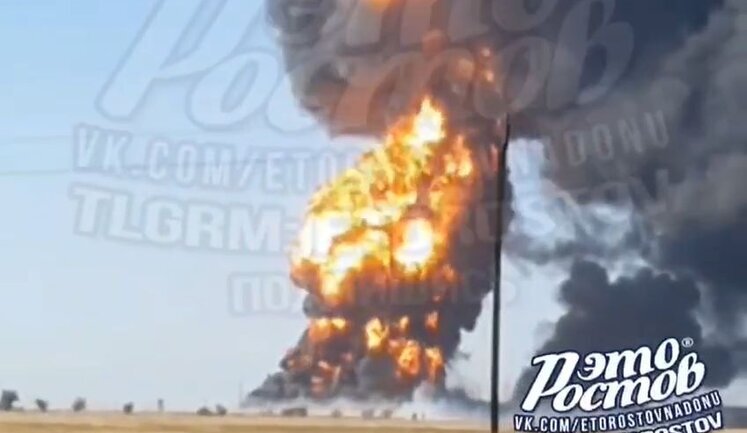
Russia is facing a severe fuel crisis, exacerbated by a series of Ukrainian strikes on its oil infrastructure. Fuel shortages are reported in multiple regions, with gas stations struggling to maintain supplies. The crisis has led to significant public unrest, with protests over fuel distribution, arrests, and even brawls at petrol stations. In response, the Russian government has extended its petrol export ban, while facing criticism and logistical challenges to meet internal demand. The situation is further intensified by drone attacks that have disrupted supply chains, forcing Russia to import fuel and prioritize supplies to its capital. This ongoing fuel shortage highlights the broader geopolitical tensions and economic instability within the region.
What is causing the current fuel crisis in Russia?
The fuel crisis in Russia is primarily caused by Ukrainian attacks on Russian oil refineries and supply chains. The destruction of infrastructure has led to shortages, distribution issues, and rising fuel prices across the country. This has worsened due to internal policy decisions and recent import adjustments.
How is the Russian government responding to the fuel shortage?
The Russian government has responded by limiting fuel exports to ensure domestic supply. They have also prioritized fuel distribution to certain regions, like Moscow, and are implementing new transport regulations and rationing policies. However, these measures have not fully mitigated the widespread shortages.
Are there any social impacts from the fuel crisis in Russia?
The fuel crisis in Russia has had significant social impacts, including public unrest, protests, and physical altercations at petrol stations. There have been reports of repression against individuals speaking out about fuel inequalities. Additionally, the shortage has led to lifestyle alterations, such as increased demand for alternative transportation like horses.
Is the fuel crisis in Russia affecting its military operations?
The crisis is affecting Russian military operations by limiting fuel supplies to military vehicles, resulting in fuel rationing measures at military units. This reflects the broader supply chain disruptions and resource allocations challenges within the country’s defense infrastructure.
How has Ukraine responded to the fuel shortage in Russia?
Ukraine has capitalized on the situation by continuing strategic strikes on Russian logistics and supply chains, further complicating Russia's efforts to stabilize fuel supplies. Ukrainian officials have also publicly addressed the geopolitical implications of the crisis in the context of ongoing conflict dynamics.