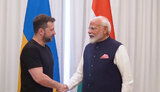
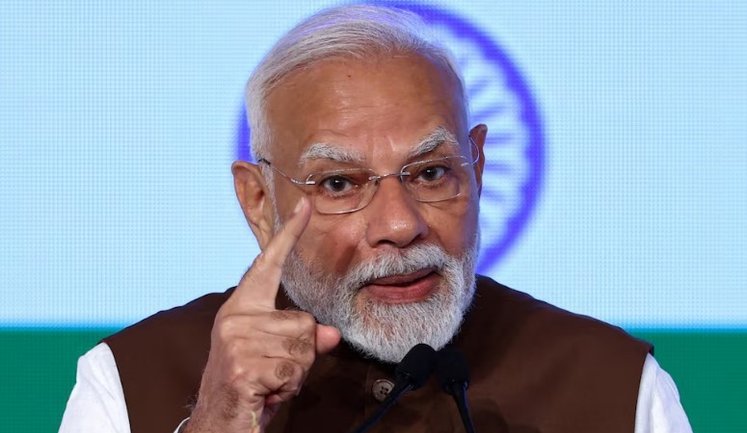
In 2026, India's international relations remain a significant focus, particularly the country's trade with Russia despite US sanctions. Prime Minister Narendra Modi's meeting with Vladimir Putin underscores ongoing diplomatic engagement. India continues importing Russian oil to address energy needs, while navigating geopolitical tensions. Parallel imports through India enable Russian acquisition of European defense goods. Incidents like Ukrainian citizen detentions highlight bilateral strains. India's strategic economic alliances, such as purchasing oil from Guyana and negotiation on US permits, illustrate its evolving global trade strategy.
What is India's current stance on importing Russian oil?
India continues to import Russian oil despite US sanctions. The country leverages significant discounts to ensure energy security and economic benefits, showcasing its focus on national interests over geopolitical pressures. Prime Minister Modi maintains India's right to pursue energy deals serving its immediate needs.
How has India responded to US pressures regarding Russian oil?
India has largely resisted US pressures to halt Russian oil imports. The imposition of US tariffs underscores tensions, yet India strategically diversifies energy sources, balancing economic imperatives and diplomatic relations. Requests for special permits and alternative oil sources illustrate India's calculated response.
What was the outcome of Modi's meeting with Putin in 2026?
Modi's August 2026 meeting with Putin emphasized diplomatic ties and addressed global issues like the war in Ukraine. Discussions likely included continuation of trade agreements and strategies to navigate challenges posed by international sanctions, illustrating India's active diplomatic engagement in complex geopolitics.
Why is Russia importing gasoline from India?
Russia imports gasoline from India due to disruptions in its oil refinery operations, exacerbated by Ukrainian strikes. India's capacity to supply necessary energy resources positions it as a critical partner in Russia's efforts to navigate domestic fuel shortages amidst ongoing conflict impacts.
How do geopolitical tensions affect India's trade policies?
Geopolitical tensions, notably US tariffs linked to Russian oil imports, influence India's trade policies. India navigates these by solidifying economic ties with alternative suppliers like Guyana and negotiating important exemptions, aiming to stabilize its economy while maintaining diplomatic flexibility amidst international pressures.
Has India faced any international incidents involving Ukraine?
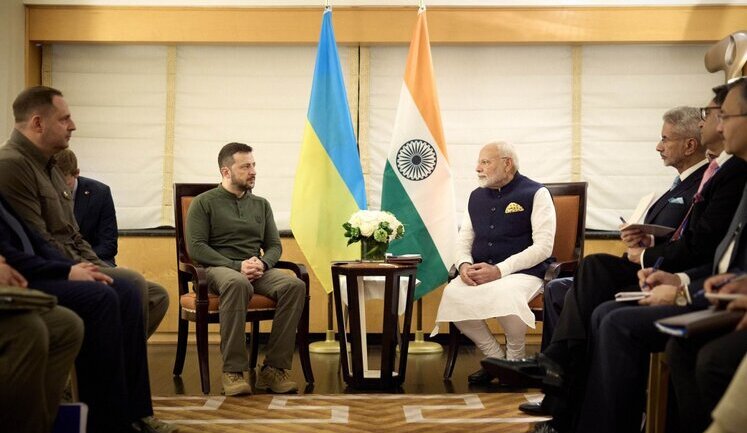
Yes, notable incidents include the detention of Ukrainian citizens in India under suspicions of illegal drone imports. Such occurrences underline bilateral tensions and necessitate nuanced diplomatic engagements between India and Ukraine, reflecting India’s complex geopolitical role amidst international legal and diplomatic intricacies.
What are the impacts of US sanctions on India's economy?
While US sanctions aimed at curbing Russian oil trades pose economic challenges, India's strategic diversification of energy imports mitigates impacts. Balancing US tariffs with purchases from countries like Guyana showcases India’s economic resilience and adaptive trade strategies under global pressure.