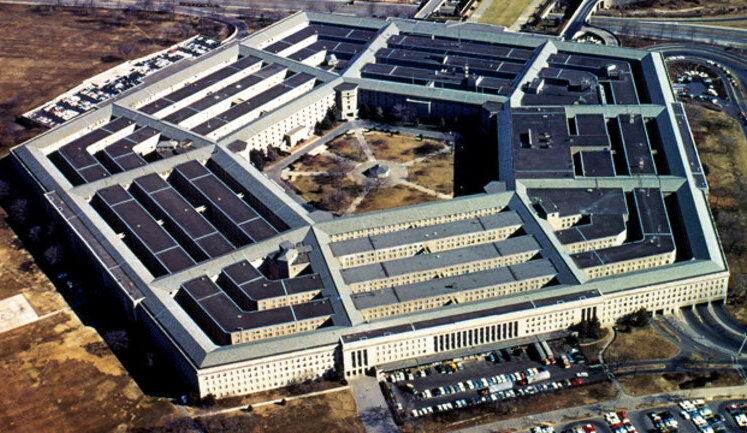
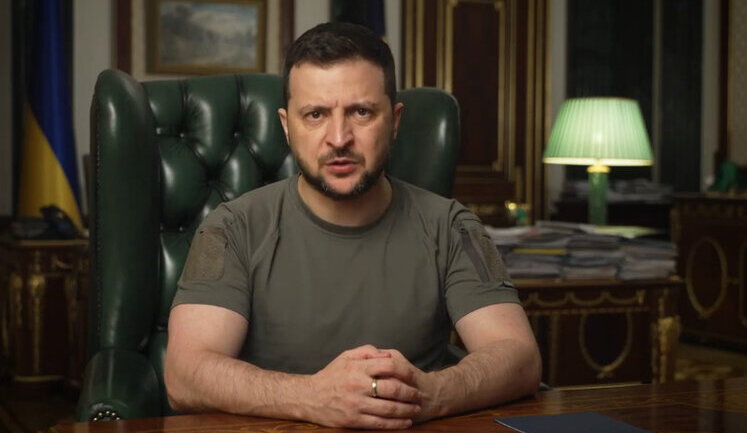
The landscape of information security has undergone significant changes due to ongoing geopolitical developments. The Russian-Ukrainian conflict has particularly prompted intelligence services to rethink their approach to safeguarding sensitive information. In response, many agencies are implementing stricter security measures and reevaluating their information handling protocols. Notably, the Pentagon has faced its own challenges, with a series of data leaks resulting in high-profile dismissals and a revamp of access protocols. Meanwhile, global cooperation is strengthening; Ukraine and Canada have signed an agreement focusing on the mutual protection of classified data. This evolving scenario highlights the critical need for robust information security systems and underscores the increasing dependency on reliable sources amidst a backdrop of misinformation threats. As information remains a vital tool in warfare and diplomacy, the security of data is more crucial than ever.
How has the Russian-Ukrainian conflict affected information security policies?
The ongoing conflict between Russia and Ukraine has led to significant changes in information security policies globally. Intelligence agencies have been forced to adopt more stringent protocols to safeguard against espionage and data breaches. This includes enhanced cybersecurity measures, rigorous vetting processes for personnel, and the strengthening of international cooperation agreements to protect classified information effectively.
What prompted the Pentagon to restrict journalist access?
The Pentagon restricted journalist access following a series of data breaches that highlighted vulnerabilities within its information security systems. The most recent incident involved the use of insecure communication channels by officials, leading to unauthorized leaks of sensitive data. These breaches prompted a reevaluation of security protocols and a temporary tightening of access to sensitive areas, aiming to restore trust and protect national security interests.
How did Ukraine and Canada enhance their information security collaboration?
Ukraine and Canada enhanced their information security collaboration by signing an agreement focused on the mutual protection of classified information. This agreement was initiated to strengthen ties between the two nations and ensure the preservation of sensitive data amidst rising cybersecurity threats. It underscores a commitment to collaborative efforts in addressing global information security challenges and improving bilateral relations.
Why were tax officials in Ukraine detained for information selling?
In Ukraine, three tax officials were detained for illegally selling information from state databases. This revelation highlighted serious breaches within the governmental information security framework. The exposed misconduct involved the unauthorized access and distribution of sensitive data, prompting legal action and a comprehensive review of data protection practices within Ukrainian government institutions to prevent future incidents.
What role do social networks play in information security threats?
Social networks have increasingly become a conduit for information security threats, serving as platforms for misinformation, espionage, and data leaks. According to the General Staff of the Armed Forces of Ukraine, a significant portion of intelligence gathering by adversaries occurs through social media. This necessitates enhanced security measures and public awareness to mitigate the risks associated with the spread of false information and unauthorized data access.
How did the adjudication on journalists' privacy affect information dissemination laws?
The Constitutional Court ruling on journalists' privacy has tightened information dissemination laws, particularly regarding the scrutiny of public officials. It legalized the imprisonment of journalists who disclose private information not explicitly authorized by law, underlining the tension between transparency and privacy. This ruling impacts how information is shared and emphasizes the need for clear legislative frameworks balancing these competing interests.