8385 visitors online
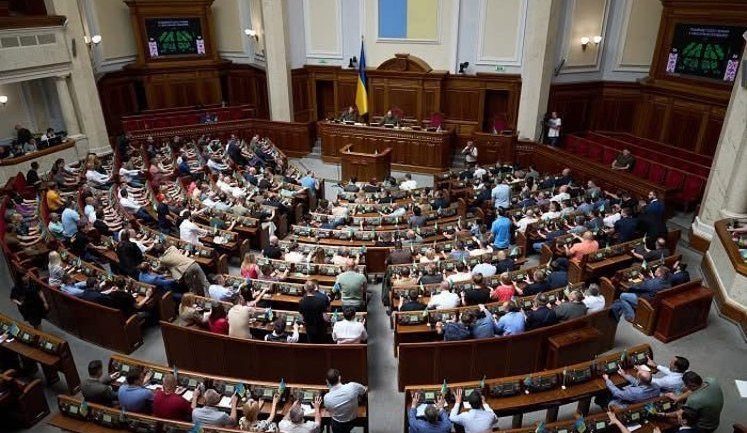
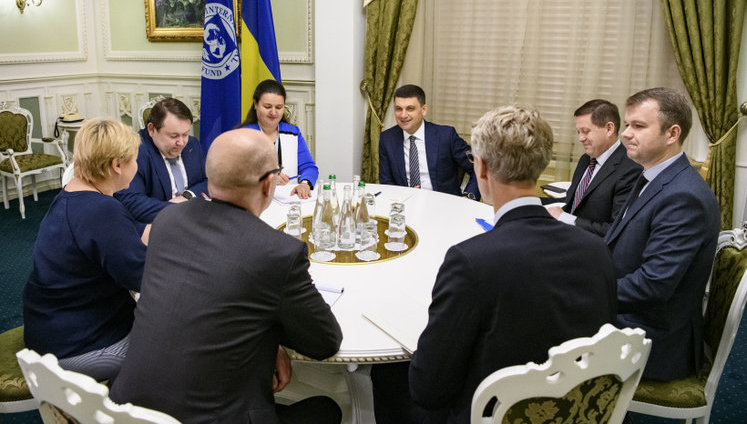
The International Monetary Fund (IMF) is playing a pivotal role in aiding Ukraine's financial stabilization and reform processes. Despite challenges, such as institutional gaps hindering investment flow and delayed legislative actions in the Verkhovna Rada, the IMF has pledged significant support. Recently, Ukraine received the first tranche of $1.5 billion from the IMF under a new four-year Extended Fund Facility (EFF) program. With a total package of $8.1 billion, this initiative is set to bolster Ukraine's economy amid the ongoing conflict. However, pending tax legislation and anti-corruption measures remain vital components of the IMF's conditions for continued support. The organization also anticipates reviewing the program if peace talks progress, indicating its adaptability to Ukraine's volatile political and economic landscape.

What is the role of the IMF in supporting Ukraine's economy?

The IMF provides financial assistance and strategic support to Ukraine, aiming to stabilize its economy. It engages with the Ukrainian government to implement necessary reforms, addressing fiscal challenges and ensuring the effective use of international aid. The IMF's programs are designed to help cover budget deficits and promote economic recovery amid the ongoing war.

Why is legislative action important for Ukraine's IMF funding?

Legislative action is crucial for unlocking the full potential of IMF funding. The conditions attached to financial aid often include specific legislative reforms, such as tax law changes, which are essential for the effective utilization of funds. Prompt decisions by the Ukrainian parliament are necessary to avoid delays in receiving funding and to meet the goals set in partnership with the IMF.

How does the IMF adjust its financial programs for Ukraine during wartime?

The IMF adjusts its financial programs for Ukraine by considering current political and economic conditions. Emphasizing flexibility, the IMF is prepared to reevaluate its support structures based on the country's progress in peace talks and other critical reforms. This allows for tailored assistance that aligns with Ukraine's evolving needs, providing vital economic stability during conflict.

What are the potential risks associated with delays in implementing IMF-required reforms in Ukraine?

Delays in implementing IMF-required reforms pose risks such as hindered access to necessary funding, increased economic instability, and inability to meet fiscal targets. These reforms are designed to strengthen economic resilience, attract investment, and ensure sustainable development. As such, the timely adoption of these measures is crucial to maintaining international financial support and trust.

How does the IMF's financial assistance impact Ukraine's post-war economic recovery?

The IMF's financial assistance strategically impacts Ukraine's post-war economic recovery by providing essential funds that support budgetary needs, stabilize the currency, and promote structural reforms. This financial backing helps lay the groundwork for sustainable economic growth and facilitates the rebuilding of critical institutions, making Ukraine more attractive for future investments.

show details

Articles IMF

Taxation of international parcels: When will the law be passed? Scrapping parcel tax exemption will hit Ukrainians’ wallets: will Rada pass controversial bill? The Verkhovna Rada may support draft laws No. 15112-D and No. 12360 as early as May 12, introducing new taxation rules for goods purchased via foreign online platforms. If the vote succeeds, the 150-euro tax-free limit on international parcels will be abolished, and global platforms such as Amazon, AliExpress, or Temu will add value-added tax to every order—if, indeed, they remain in Ukraine at all. 50 0 Previously in trend: Tax changes

voting on the IMF’s proposals Parliament, government, IMF: Will Ukraine break deadlock in relations? The final plenary week of the Verkhovna Rada in March is approaching. This week has been set by the International Monetary Fund as a deadline for Ukraine to pass a series of legislative amendments involving tax increases for businesses and households under the latest four-year credit program approved last month. 3 781 14 Previously in trend: IMF financial assistance

parcels Government "in favour", 82% of Ukrainians "against": How will tax on parcels affect citizens, front line and state budget? Ukraine’s authorities have not abandoned their intention to impose a 20% VAT on all parcels from abroad. The government hopes this will raise additional revenue for the state budget, while Ukrainian retailers expect to increase their profits. 57 0 Previously in trend: Tax changes
мвф,зеленський,георгієва BES reform, tariffs, and benefits review: What Ukraine needs to do to get IMF money Almost all of Ukraine’s revenues are spent on defense. At the same time, other expenditure items are covered by assistance from international partners, including the IMF. However, a number of requirements must be met to receive it. 114 0

Ukraine Ukraine's PM Hroisman: I am my own man Ukraine's Western backers have praised the steps taken since Hroisman came to power, and on Friday Washington signed a new loan guarantee agreement worth $1 billion. 160 0 Previously in trend: Hroisman's Cabinet

Corruption in Ukraine: Dear friends, Ukraine’s grace period for tackling cronyism may have run out Corruption in Ukraine: Dear friends, Ukraine’s grace period for tackling cronyism may have run out IN TSARSKE SELO (“Tsar’s Village”), a smart district in Kyiv, Ukraine’s president, Petro Poroshenko, owns a swathe of desirable land. Across the street sits a sprawling compound belonging to Ihor Kononenko, the president’s friend and deputy head of his parliamentary faction. 327 0

Ukraine abandoned by European and at mercy of Russia Ukraine abandoned by European and at mercy of Russia Ukraine is in a dire financial situation, but there seems little international will to help this huge pro-European country. 317 0

The new Greece in the east The new Greece in the east The IMF approved a new bail-out for Ukraine on Thursday, worth $17.5 billion over four years. The first $5 billion are supposed to be delivered today. The Economist has pored over it and found it wanting in several key areas. 276 0 Previously in trend: Economic disaster
Ukraine must fix itself Ukraine must fix itself In his guest post for the Financial Times, policy analyst Dalibor Rohac from the Cato Institute’s Center for Global Liberty and Prosperity argues why this might be a good time for Ukraine and what should be done in order not to lose the momentum. Censor.NET reprints his text unchanged below. 199 0